
The Intersection of Narrative and Design: Telling Stories Through Virtual Worlds in Roblox
Understanding the Dynamics of Virtual Storytelling
The gaming landscape has transformed dramatically over the past few years, especially with virtual platforms that have set the stage for creativity and immersive storytelling. One such groundbreaking platform is Roblox, which not only allows players to engage with games but also empowers them to become the storytellers of their own experiences. This open-ended framework has cultivated a vibrant community where creativity thrives.
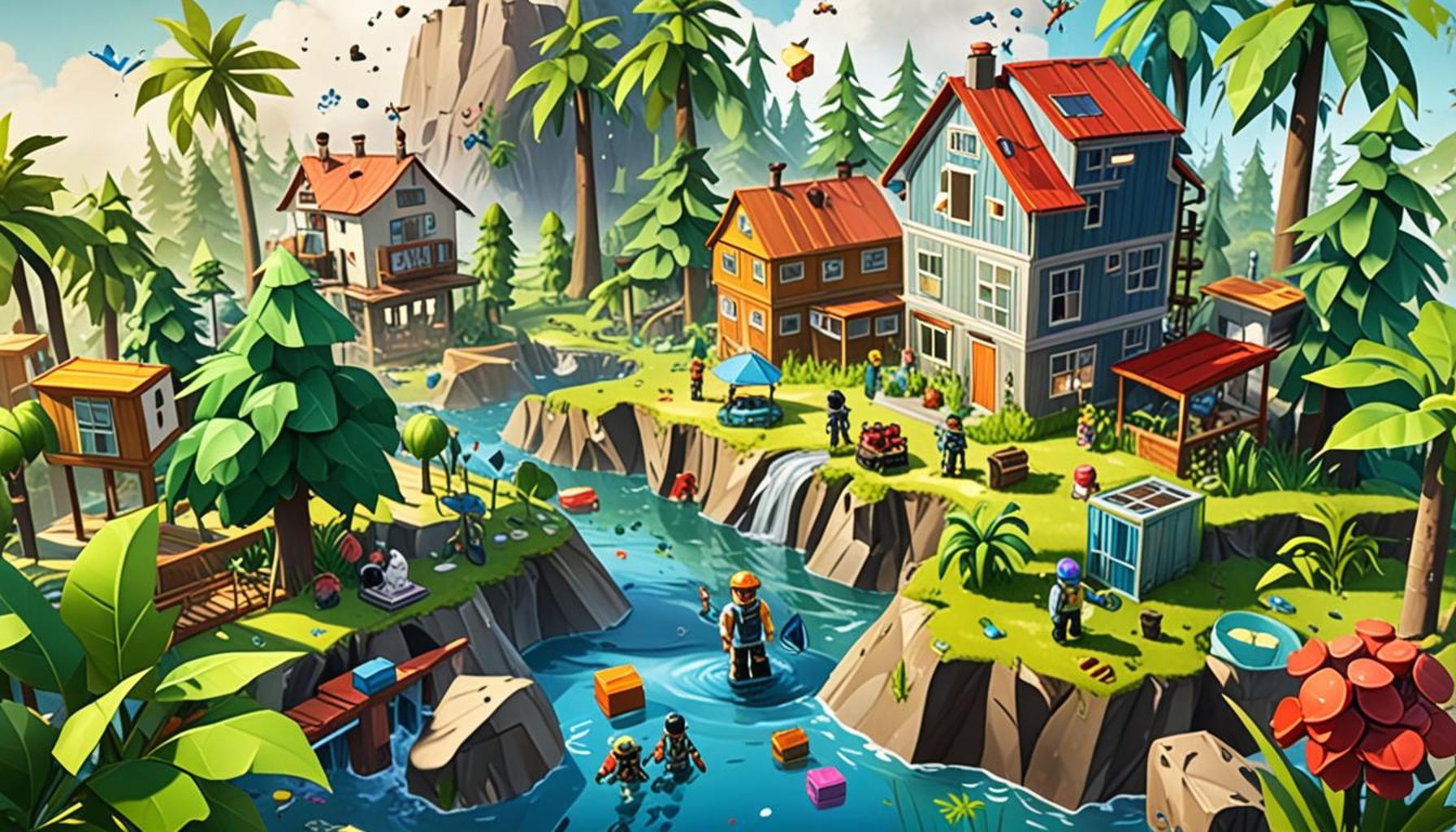
User-generated content is at the heart of Roblox. Unlike traditional games where the narrative is fixed, Roblox lets players design their own games and immersive worlds, effectively breathing life into unique stories. For example, a player can create a game centered around a magical forest where players embark on quests to save enchanted creatures. This capability extends beyond mere aesthetics; the underlying narrative can evolve, influenced by the choices players make within the game environment.
Moreover, the aspect of interactive gameplay plays a vital role in shaping narratives on Roblox. Players are not just passive observers; they actively contribute to the unfolding story through their decisions and actions. Imagine a scenario where a player must choose between saving a character or pursuing treasure. Each choice may lead to different endings, enhancing engagement and personal investment in the story. This level of interactivity enriches the narrative experience, as it mirrors real-life decision-making and leads to varied outcomes based on player choices.
Additionally, the platform’s diverse genres provide ample opportunity for creativity. Roblox hosts games that range from thrilling horror experiences to light-hearted adventure stories, offering something for everyone. For instance, a horror game might involve solving mysteries in a haunted mansion, filled with jump scares and eerie soundscapes, whereas an adventure game could be a whimsical journey through a colorful land, promoting teamwork and exploration. This versatility showcases the limitless storytelling potential within the platform.
By harnessing the powerful tools provided by Roblox, developers can craft multi-layered experiences that resonate with players on emotional, intellectual, and social levels. The storytelling in Roblox transcends traditional boundaries—it’s not merely about following a scripted plot, but rather embarking on an active journey that encourages engagement and exploration. Players dive into rich environments, foster connections with characters, and navigate immersive quests that spark creativity.
The blend of narrative and design in Roblox reshapes our understanding of storytelling itself, inviting players and creators alike to explore and discover new facets of narrative construction. With each game created, the community not only cultivates entertainment but also fosters a deeper appreciation for the art of storytelling in a digital realm. As this platform continues to evolve, it stands as a testament to the dynamic nature of creativity in gaming, transforming how stories are told and experienced in the 21st century.
SEE ALSO: Click here to read another article
The Art of Narrative Design in Roblox
The unparalleled flexibility and creativity found within Roblox make it a fertile ground for narrative design. At its core, narrative design involves crafting a story that players can interact with, elevating the gaming experience beyond mere gameplay. In Roblox, this is achieved through various elements such as environmental storytelling, character development, and the integration of game mechanics that reinforce the narrative.
Environmental storytelling is a technique used where the game environment communicates aspects of the story without needing explicit dialogue or narrative exposition. For example, as players navigate through a desolate post-apocalyptic landscape, they might discover remnants of an old civilization, such as abandoned buildings or scattered artifacts, each piece hinting at the chain of events that led to this new world. This type of storytelling immerses players in the narrative, allowing them to piece together the story organically as they explore.
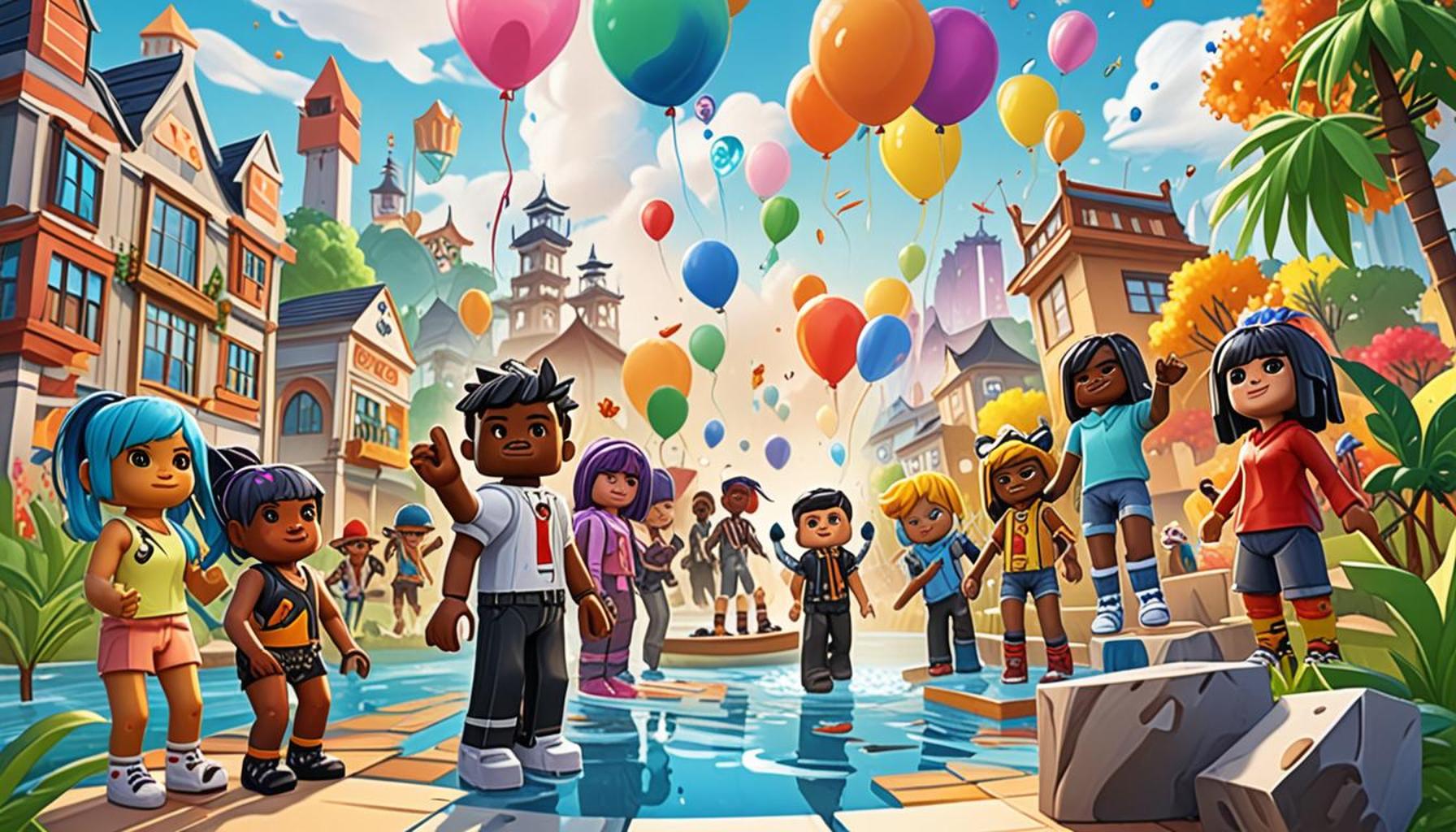
Another vital component is character development. In Roblox, players often encounter a variety of characters, each with their unique backstories and motivations. A well-designed character can evoke empathy and investment from players. Imagine a character who is a young hero seeking to restore peace in a fractured kingdom. As players interact with this character, they learn about their struggles and aspirations, thereby forming an emotional connection. This connection encourages players to engage further, making choices that affect not only the character’s fate but the overarching narrative as well.
These elements are intricately linked with game mechanics; the rules and systems in place that guide player interactions. For instance, consider a game on Roblox that involves completing various quests to unlock new narrative branches. This mechanic encourages players to actively participate in the storytelling process. They might choose to embark on a quest to help a character in distress or opt for a more selfish pursuit of wealth, leading to different story outcomes. Each choice reinforces the idea that players are not just consumers of a narrative, but rather co-creators alongside it.
To further illustrate the concept of narrative design, let’s explore a few key elements that contribute to effective storytelling in Roblox:
- Setting: The game’s environment should reflect the mood and themes of the story, creating an immersive atmosphere.
- Characters: Characters must be well-defined and relatable, providing players with a sense of connection and motivation.
- Plot Structure: A clear narrative arc, including conflict and resolution, helps to guide players through the story.
- Interactivity: The player’s choices should lead to meaningful consequences, enhancing engagement and investment in the story.
As we delve deeper into the intersection of narrative and design in Roblox, it becomes evident that effective storytelling is not only about captivating plots and engaging characters, but also about the delicate balance between design and narrative elements that invite player exploration and interaction. Roblox proves to be more than just a gaming platform; it is a canvas for budding storytellers to express their creativity and connect with others in ways previously unimagined.
CHECK OUT: Click here to explore more
User-Created Experiences: Collaborative Storytelling
One of the most remarkable features of Roblox is its community-driven content creation, allowing players to become storytellers themselves. User-generated experiences on the platform enable a diverse range of narratives to emerge, weaving together the visions of countless creators and players from different backgrounds. This collaborative storytelling aspect enriches the overall landscape of narrative design in Roblox, providing opportunities for players to not only consume but also contribute to the narrative tapestry.
Roblox empowers users to create their games through its Roblox Studio, a comprehensive development environment offering tools and resources for storytelling. Within this environment, creators can incorporate intricate narratives into their games, crafting experiences that resonate with their audiences. For instance, a popular game might let users build their own stories set in a medieval fantasy world, where they can create quests involving dragons, knights, and distant kingdoms. Players can contribute by designing quests, writing dialogue, or developing characters, effectively co-authoring the narrative journey.
The implementation of community events further demonstrates the power of collaborative storytelling on Roblox. Events often feature new narratives and challenges that players partake in together, creating shared experiences that foster a sense of community. For example, an event might challenge players to explore a haunted mansion while uncovering the mystery of its previous inhabitants. As players gather clues, interact with each other, and work together to solve puzzles, they collectively contribute to the unfolding story. This not only enhances game enjoyment but also builds camaraderie among participants.
Moreover, the integration of social features within Roblox emphasizes the importance of collaborative storytelling. Players can connect with friends, form groups, and follow creators, establishing networks through which narratives can flourish. For example, a player who discovers a captivating game may share it with friends, encouraging them to embark on the same narrative journey. As more players participate, they exchange experiences and techniques found within the game, leading to a shared understanding and interpretation of the story.
Additionally, the adaptability of narratives in Roblox allows them to evolve based on community feedback. Creators can gather insights from players about which story aspects were compelling or which characters resonated. This dialogue facilitates continuous improvement of the narrative, potentially leading to sequels or spin-offs that expand upon the original story. Such responsiveness enhances the player’s investment in the narrative, making them feel validated as co-creators and collaborators in storytelling.
As player-driven experiences become increasingly refined, we see an exciting future for narrative design in Roblox. Tales are no longer siloed to a singular experience; rather, they become an intricate web of interlinked stories that reflect the collective creativity of the community. As aspiring creators harness their tools to develop rich narratives, they are also engaging in a broader dialogue, questioning what it means to share and experience stories in the realms of virtual worlds. By blending narrative and design within their unique games, players contribute to a vibrant tapestry that extends far beyond traditional storytelling methods.
CHECK OUT: Click here to explore more
Conclusion
In summary, the intersection of narrative and design within Roblox creates a unique platform where storytelling transcends traditional boundaries. As players engage in community-driven content creation, they are empowered to become not just passive consumers but active storytellers, weaving their ideas and experiences into the expansive virtual tapestry. The tools provided by Roblox Studio foster creativity, allowing players to design intricate narratives that can resonate deeply with diverse audiences.
The incorporation of social features and community events enhances the collaborative nature of storytelling, providing players with shared experiences that build connections and a sense of belonging. These elements highlight how narratives evolve, thanks to player feedback and interactions, making storytelling a dynamic and reflective process. As players participate and create, they cultivate a narrative ecosystem that values every contribution, leading to deeper emotional investments in the stories told.
Looking ahead, the possibilities for narrative design in Roblox are boundless. As the platform continues to grow, we can anticipate even richer storytelling experiences shaped by an ever-evolving community. This marks a transformative shift in how stories are told and experienced, urging us to rethink the very nature of narratives in virtual environments. Ultimately, Roblox showcases how a blend of narrative and design not only entertains but also connects us through shared stories, inviting all players to join in the ongoing adventure of collaborative creativity.

Linda Carter
Linda Carter is a writer and expert known for producing clear, engaging, and easy-to-understand content. With extensive experience in guiding people as they pursue their goals, she shares valuable insights and practical advice. Her mission is to help readers make informed choices and achieve meaningful progress.