
Gamification in Education: How Roblox Can Increase Student Motivation
The Benefits of Gamification in Education
In the context of modern education, where students are frequently distracted by technology and social media, it is crucial to find innovative ways to capture their attention. Gamification is a teaching strategy that incorporates game-like elements into learning, and it’s proving to be a game-changer in classrooms across the United States. Roblox, a popular online game creation platform, exemplifies this approach, offering multifaceted opportunities for students to engage with educational content in enjoyable and meaningful ways.
Creativity and Problem-Solving
One of the standout features of Roblox is its capacity to foster creativity and enhance problem-solving abilities among students. When students design their own games, they are not merely following instructions; they are engaging in a complex process that involves creative thinking and strategic planning. For example, a student might decide to build an obstacle course. This task requires them to envision the course layout, understand mechanics to ensure the game functions correctly, and incorporate challenges that enhance player engagement. By navigating these challenges, students develop critical thinking skills that will serve them well in various future endeavors.
Collaboration
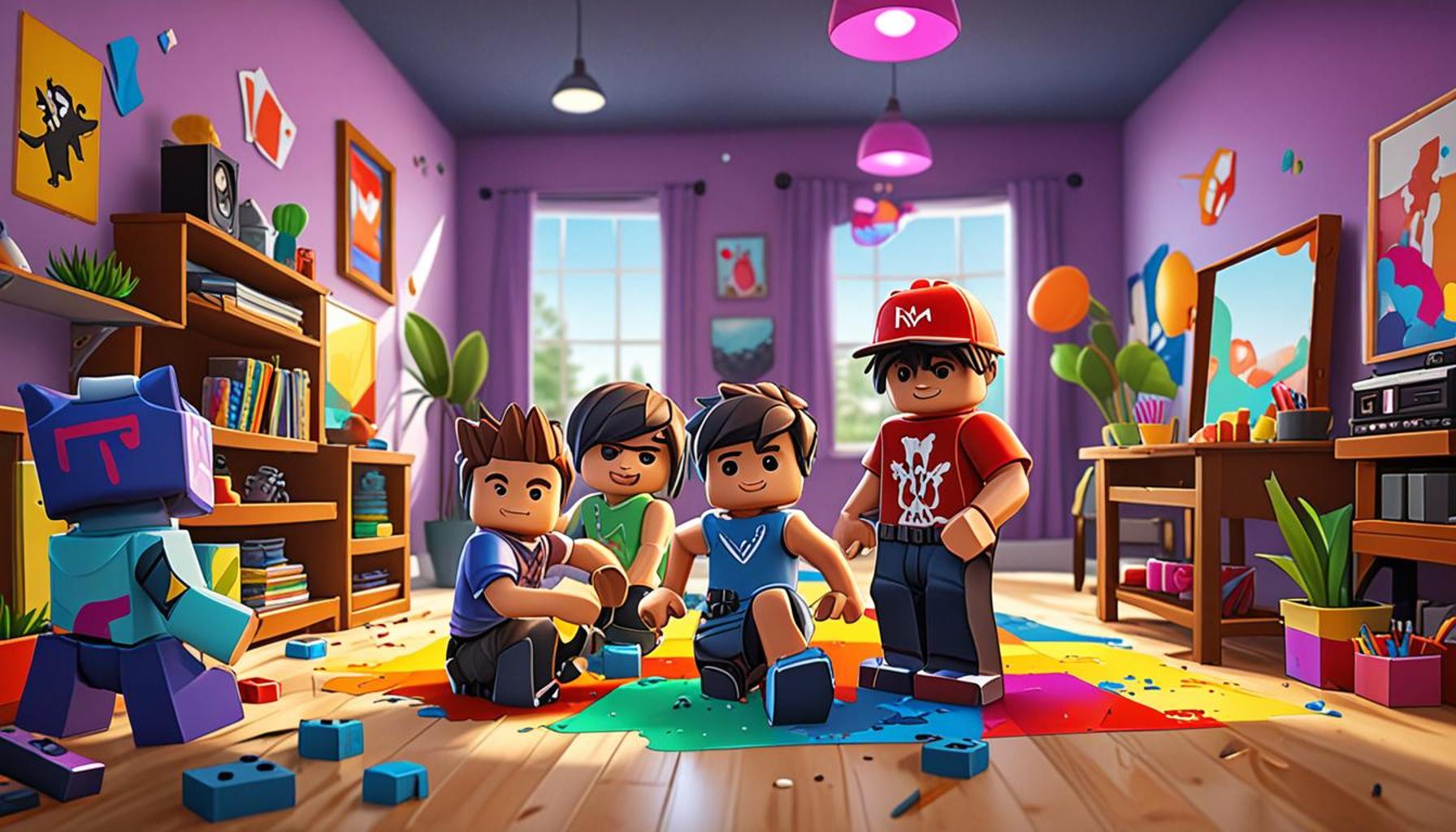
Roblox also encourages a collaborative environment, which is vital in the 21st-century classroom. Students can join each other’s games and work collectively to achieve common goals. For instance, a classroom project might involve students creating a multi-player game that requires diverse roles; one student might handle the coding, another could focus on design, while others concentrate on marketing the game within the Roblox community. This teamwork reflects real-world scenarios where collaboration is often necessary in the workplace. By working together, students learn not only to value diverse skill sets but also how to communicate effectively, compromise, and support one another, fostering essential interpersonal skills.
Real-Life Skills
Beyond abstract concepts, dexterity with the Roblox platform equips students with valuable real-life skills. Learning to code using Roblox Studio introduces students to programming basics, preparing them for future careers in technology and engineering fields. Additionally, students learn about project management as they navigate timelines, set milestones, and troubleshoot issues that arise during game development. Such experiences make learning applicable and relevant, bridging the gap between education and the realities of life after school.
As educators increasingly seek methods to cultivate a more engaging and effective learning environment, Roblox stands out as an exemplary tool for transforming education through gamification. By integrating game-based learning and creative projects, students not only acquire knowledge but also enjoy the learning process. This combination of enjoyment and education can significantly enhance motivation, leading to improved academic performance and a lifelong love of learning.
CHECK OUT: Click here to explore more
Enhancing Engagement Through Play
One of the most significant advantages of incorporating gamification into education is the enhancement of student engagement. Traditional methods of teaching often struggle to hold the attention of students raised in a world dominated by technology and interactive entertainment. Roblox, with its vibrant graphics and interactive elements, transforms the learning experience into a dynamic adventure. When students are involved in activities that feel similar to playing a game, they are more motivated to participate actively and delve into the subject matter.
Motivation Through Competition and Achievement
Roblox allows students to experience the thrill of competition and achieve personal milestones, which can be a powerful motivator. In a typical classroom setting, a student might receive grades or feedback, but this feedback can sometimes feel impersonal or detached from their efforts. In contrast, Roblox provides immediate, tangible rewards as students create and refine their games. For instance, a student may earn badges or unlock new features as they reach different programming levels, making the learning process feel rewarding and engaging.
Here are some ways that competition and achievement can enhance motivation when using Roblox:
- Leaderboards: Displaying rankings for game development projects encourages healthy competition while fostering a sense of accomplishment.
- Achievements: Specific goals, such as completing a challenging coding task or successfully launching a game, can encourage students to strive harder.
- Feedback: Quick feedback loops built into game mechanics help students recognize their progress in real-time, reinforcing their learning journey.
Personalized Learning Experiences
Roblox also allows for a degree of personalization that traditional learning environments may lack. Every student learns differently, and Roblox accommodates this diversity by enabling learners to engage with topics at their own pace and through their interests. For example, a student passionate about history can create a game that reflects a historical event, utilizing what they learned in class and applying it in a creative context. This personalized approach not only makes the learning experience more meaningful but also boosts motivation, as students take ownership of their projects.
The balance of creativity, competition, and personalization makes Roblox an empowering tool in the educational landscape. By allowing students to play an active role in their learning, educators foster a sense of agency, making education not just a requirement but a passion. As a result, the integration of gamification through platforms like Roblox can lead to improved academic results and greater enthusiasm for learning.
CHECK OUT: Click here to explore more
Collaboration and Social Learning
Another key element of the gamification experience in education is the emphasis on collaboration and social interaction. Roblox encourages students to work together, allowing them to build games collectively and share ideas in a communal space. This collaborative environment can lead to increased motivation as students engage not just with the material, but with each other, creating a sense of community and shared purpose.
Fostering Teamwork Skills
In today’s world, teamwork is an essential skill in virtually every career field. Roblox gives students the opportunity to develop these collaborative skills through group projects. For example, a group might work together to design a virtual amusement park, dividing tasks where some students focus on coding, while others handle asset design or story creation. This distributed responsibility not only reduces the pressure on individual students but also promotes a team effort, making the project a journey of collective achievements.
Some aspects of teamwork that Roblox supports include:
- Collaboration Tools: Built-in communication features, such as chat functions, let students discuss ideas and provide feedback in real time.
- Peer Review: Students can give and receive constructive feedback on each other’s projects, fostering a culture of improvement.
- Shared Goals: Working towards common objectives encourages students to support one another as they strive to complete their game design.
Cultivating Communication Skills
In addition to fostering teamwork, Roblox serves as an excellent platform for improving communication skills among students. The necessity of articulating ideas effectively becomes apparent when collaborating on projects. A student may need to explain the mechanics of their game or persuade peers on design elements, enhancing both their verbal and written communication skills. This experience is invaluable as students learn how to express their thoughts clearly and listen actively to others’ input.
The diverse age range and varying skill levels of Roblox users create an inclusive environment where students can practice effective communication in different contexts. Whether participating in discussions about technical coding issues or negotiating design aesthetics, students learn how to adapt their communication style to suit different audiences.
Encouraging Creativity and Problem-Solving
Engaging with Roblox doesn’t just involve following a set of instructions; it encourages students to think critically and solve problems creatively. When creating or developing games, challenges arise that require innovative thinking. For example, if a student’s game feature doesn’t work as intended, they have to troubleshoot and discover alternative solutions. This hands-on problem-solving experience nurtures resilience and determination, valuable traits that extend beyond the classroom.
These problem-solving scenarios naturally lead to the enhancement of cognitive skills as they evaluate options, make decisions, and reflect on the outcomes. The dynamic nature of Roblox allows for a space where students can explore their ideas without the fear of making mistakes, as failures can often lead to new insights and learning opportunities.
Incorporating gamification strategies via Roblox not only captivates students’ interest but also equips them with essential life skills. By engaging in collaborative projects, improving communication, and embarking on creative problem-solving adventures, students become more motivated and well-rounded learners. Through the lens of gaming, education transitions into an interactive adventure filled with opportunities for personal growth and achievement.
CHECK OUT: Click here to explore more
Conclusion
In summary, the integration of gamification through Roblox in education not only enhances student engagement but also cultivates vital skills essential for today’s workforce. By leveraging the immersive nature of gaming, educators can transform traditional learning methods into interactive experiences that pump energy into the curriculum. As seen, the platform fosters collaboration, allowing students to work together on projects that mirror real-world scenarios, which cultivates effective teamwork and communication abilities.
The creative and problem-solving elements innate to Roblox pose exciting challenges that encourage students to innovate and think critically, thereby promoting a growth mindset essential for success. For instance, when students design their own game levels, they must consider user experience, gameplay mechanics, and even narrative elements. This process teaches them to analyze feedback and iterate on their ideas, skills that are directly transferable to project management in their future careers.
Furthermore, the platform’s social features facilitate peer communication and collective brainstorming. By collaborating on projects, students not only engage more deeply with the content but also develop a sense of community, fostering relationships that can last a lifetime. This camaraderie increases their motivation to learn, as they feel a shared sense of responsibility and accomplishment with their peers.
Incorporating gamification strategies is not merely about making learning fun; it’s about harnessing a powerful tool that resonates with digital natives and inspires them to take ownership of their educational experiences. With examples like Roblox, educators can create vivid, memorable lessons that bridge the gap between theoretical knowledge and practical application. Therefore, embracing platforms like Roblox can significantly enrich the learning landscape, offering bright new horizons for motivation and achievement in education.

Linda Carter
Linda Carter is a writer and expert known for producing clear, engaging, and easy-to-understand content. With extensive experience in guiding people as they pursue their goals, she shares valuable insights and practical advice. Her mission is to help readers make informed choices and achieve meaningful progress.