
How Roblox Can Be Used to Teach Programming Concepts to Children
Understanding the Role of Roblox in Creative Learning
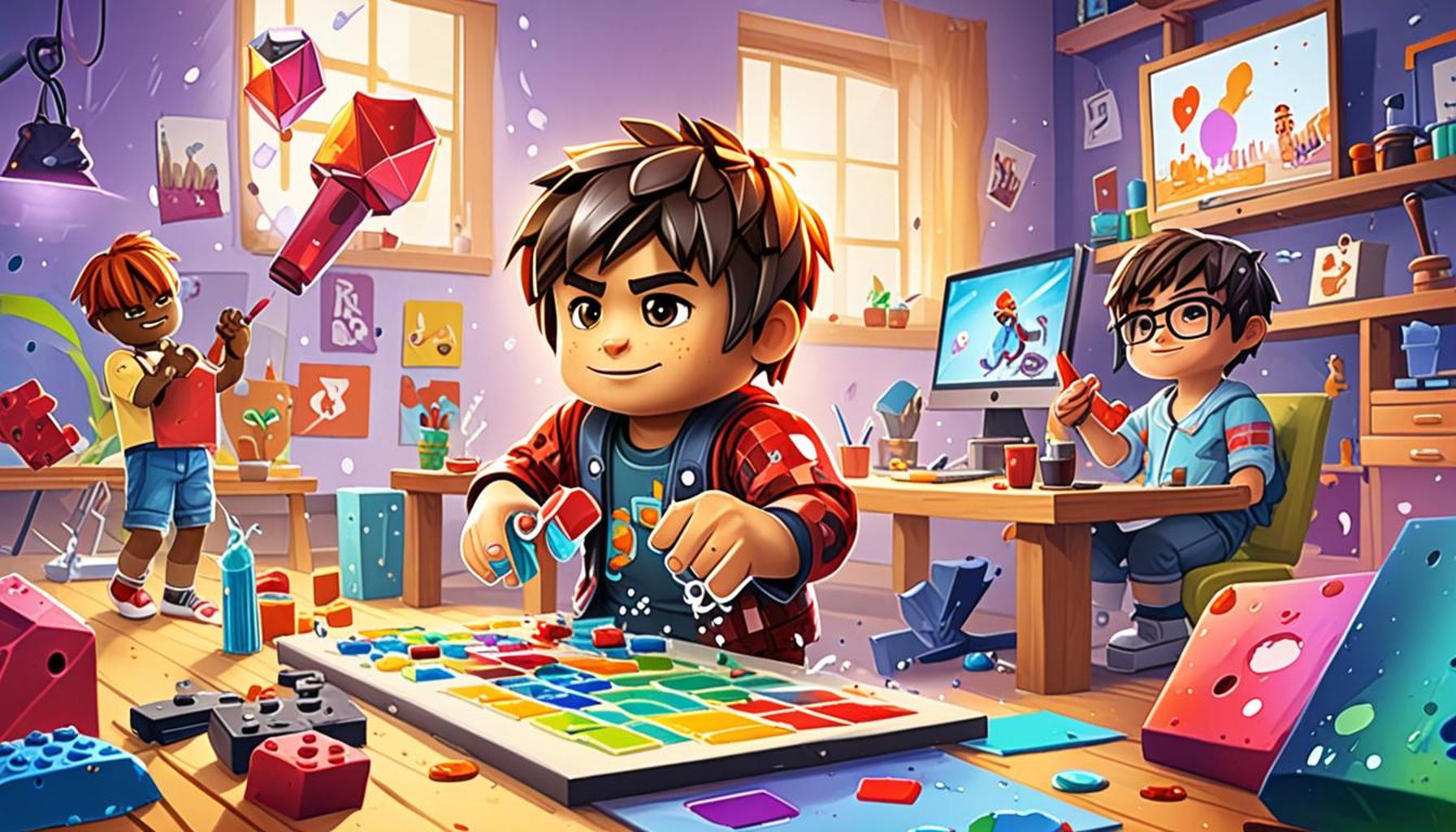
The notion of coding can often intimidate young minds, making it seem like a complex labyrinth of rules and syntax. However, platforms like Roblox serve as a welcoming gateway into the realm of programming for children. In an age where digital literacy is paramount, Roblox merges play with education, transforming the learning experience into an interactive journey filled with creativity and exploration.
Roblox boasts several features that make it an exceptional educational tool for young learners:
- User-Friendly Interface: The platform is designed with simplicity in mind. Children can easily navigate through its various features without feeling overwhelmed. This intuitive design allows them to focus on the learning aspects rather than getting bogged down by the complexities of the platform.
- Game Development: One of the most exciting aspects of Roblox is that it enables children to create their own games. This not only encourages creativity but also fosters a sense of ownership and pride in their work. For instance, a child could design an intricate obstacle course or a virtual world based on their favorite book series, allowing them to express their imagination while honing their coding skills.
- Lua Programming Language: At the heart of Roblox is the Lua programming language, known for its simplicity and versatility. It provides a gentle introduction to coding concepts, making it accessible for beginners. Children can learn through practical examples, such as scripting a character’s movements or creating interactive game elements, reinforcing their understanding of the coding principles.
Utilizing Roblox as a teaching tool not only makes programming enjoyable but also cultivates essential skills that go beyond coding. By engaging with real coding tasks in a fun context, children can develop:
- Problem-Solving Skills: As they navigate through challenges while coding, children learn to think critically and troubleshoot issues, which is crucial for effective programming.
- Collaboration Skills: Players on Roblox often collaborate on projects, learning to communicate effectively and work as part of a team. This interactive environment mirrors many professional settings, preparing them for future endeavors.
- Persistence: In coding, errors are a normal part of the process. Children learn resilience by debugging and revising their code, gaining the ability to tackle challenges and not give up easily.
- Immediate Feedback: Roblox provides instant gratification; children can see the results of their programming decisions in real-time. This immediate feedback can be incredibly motivating and reinforces learning.
By leveraging the dynamic features of Roblox, educators can inspire the next generation of programmers and innovators. Not only does this approach demystify coding for children, but it also lays a solid foundation for future advancements in technology. Through this blend of gaming and education, young learners become equipped with skills that will be valuable in an increasingly digital world.
CHECK OUT: Click here to explore more
Engaging with Lua: An Accessible Introduction to Coding
At the heart of Roblox’s educational power lies the Lua programming language, which is both approachable and robust. Lua is lightweight and easy to understand, making it an ideal first language for young learners. By introducing programming concepts through Lua, educators can help children grasp essential coding principles without overwhelming them with complex syntax.
The process of learning to code on Roblox begins with understanding basic commands and functions. For example, children can start by scripting simple movements for their characters. When a child creates a script that makes their avatar jump or dance, they experience the immediate result of their coding effort, which reinforces the learning process. This form of experiential learning is crucial as it solidifies their grasp of fundamental programming concepts, such as variables, functions, and events.
Here are some key programming concepts that children can explore through Roblox:
- Variables: Children can learn how to store and manipulate data by creating variables. For instance, they can design a game where points are awarded for completing tasks. By coding to keep track of points using variables, they see firsthand how changing values affects gameplay.
- Control Structures: Through coding challenges, children can grasp concepts like loops and conditionals. For example, they might code a door that only opens when a character has collected a specific item, introducing them to basic logic and decision-making in programming.
- Functions: Functions help make code organized and efficient. Kids can learn to create functions that perform specific tasks, such as creating an enemy that chases the player when a game starts. This not only teaches modular programming but also encourages code reuse, a fundamental practice in professional programming.
- Debugging: Debugging is an essential skill in any coder’s journey. When a script doesn’t work as intended, children learn to troubleshoot their code by checking for errors. This trial-and-error process helps them cultivate a growth mindset, fostering persistence and problem-solving skills.
Through meaningful interactions with Lua on Roblox, children are able to see the impact of their coding decisions, which enhances their learning experience. The engaging environment encourages them to experiment, take risks, and, importantly, learn from their mistakes. This not only builds their coding proficiency but also correlates with real-world skills that are invaluable in any career path.
Furthermore, the collaborative aspects of Roblox amplify the learning experience. When children work together on projects, they not only share ideas but also learn from each other’s coding methods. The social component of enhancing programming skills offers a supportive atmosphere that can motivate students to persist through challenges. As they discuss their code and troubleshoot together, they develop essential teamwork abilities that are crucial in today’s technology-driven landscape.
SEE ALSO: Click here to read another article
Building a Virtual World: Creative Problem Solving and Project-Based Learning
In addition to the foundational programming concepts introduced through Lua, Roblox provides an exceptional platform for creative problem solving and project-based learning. Children are given the opportunity to design and develop their own games and virtual worlds, which not only enhances their coding skills but also fosters creativity. This approach encourages learners to think critically and logically, skills that are essential in any technological context.
For instance, while designing a game, a child must consider various elements such as gameplay mechanics, user interface, and environmental design. Each of these aspects requires careful thought and planning. As children create their own unique worlds, they must solve design dilemmas, such as how to make a level challenging yet fair, or how to ensure users can easily navigate the terrain. This process trains them to identify problems and come up with effective solutions, mimicking real-life scenarios where one must analyze challenges and devise strategies.
Project-based learning also encourages students to set goals and timelines for their projects, introducing elements of project management. For example, if a child decides to create an obstacle course game, they must plan out the design, implement the coding, and test the game collaboratively with friends. This overarching experience not only solidifies their coding knowledge but also teaches valuable lessons about deadlines, accountability, and teamwork.
Incorporating game mechanics into coding lessons can further enhance engagement. Children can be taught to use principles of game design, including how to create rewards and challenges. This element of reinforcement can be particularly powerful; for instance, they might implement a scoring system that rewards players with virtual badges or character upgrades upon completion of tasks. By integrating these mechanics, learners gain a deeper understanding of how programming can be leveraged to enhance user experience, echoing what they see in commercial video games.
Moreover, the ability to share projects with the broader Roblox community allows children to receive feedback and iterate on their work, further emboldening the iterative process of coding. When young developers upload their creations, they are not only showcasing their skills but also inviting critique and collaboration. This social feedback loop helps them to refine their coding and design choices, ensuring their projects resonate with an audience while fortifying their learning journey.
The emphasis Roblox places on interdisciplinary learning is another factor that can enrich children’s understanding of programming. When coding intersects with subjects such as mathematics, art, and storytelling, children can employ these skills in context. For instance, when programming a game focused on historical events, they might need to research and represent accurate details, merging coding with their newfound knowledge. This comprehensive approach effectively demonstrates how programming is integrated into various facets of life and education.
Ultimately, the combination of coding with creativity and community on Roblox provides a vibrant learning environment that nurtures aspiring young programmers. As children engage deeply with the platform, they not only build technical skills but also cultivate essential life skills—patience, resilience, and collaboration—that will serve them well in their future academic and career endeavors. By framing coding as a fun, creative, and social activity, Roblox transforms learning into an enjoyable adventure that inspires exploration and innovation.
CHECK OUT: Click here to explore more
Conclusion
In summary, Roblox serves as a dynamic platform for teaching programming concepts to children, enabling them to learn coding within an engaging and interactive environment. Through the use of the Lua programming language, young learners can develop their technical skills while simultaneously embracing creativity and critical thinking.
The hands-on experience of designing games fosters an atmosphere where problem-solving skills flourish. By tackling various design challenges, children learn to think critically and methodically, equipping them for future endeavors both in technology and beyond. The emphasis on project-based learning allows students to experience the full cycle of development, from conception to completion, instilling a sense of accomplishment and responsibility.
Moreover, by incorporating game mechanics into their projects and receiving feedback from their peers, children gain insight into the collaborative nature of programming and game design. These interactions not only enhance their coding abilities but also provide them with invaluable life skills such as teamwork and effective communication.
Ultimately, Roblox transforms the perception of coding from a daunting task into an exciting adventure, where children can explore, innovate, and learn. As they navigate this immersive virtual world, they are not just becoming proficient in programming; they are also preparing themselves for a future that increasingly relies on technology. By embracing platforms like Roblox, educators and parents can inspire the next generation of programmers equipped with both technical expertise and essential soft skills.

Linda Carter
Linda Carter is a writer and expert known for producing clear, engaging, and easy-to-understand content. With extensive experience in guiding people as they pursue their goals, she shares valuable insights and practical advice. Her mission is to help readers make informed choices and achieve meaningful progress.