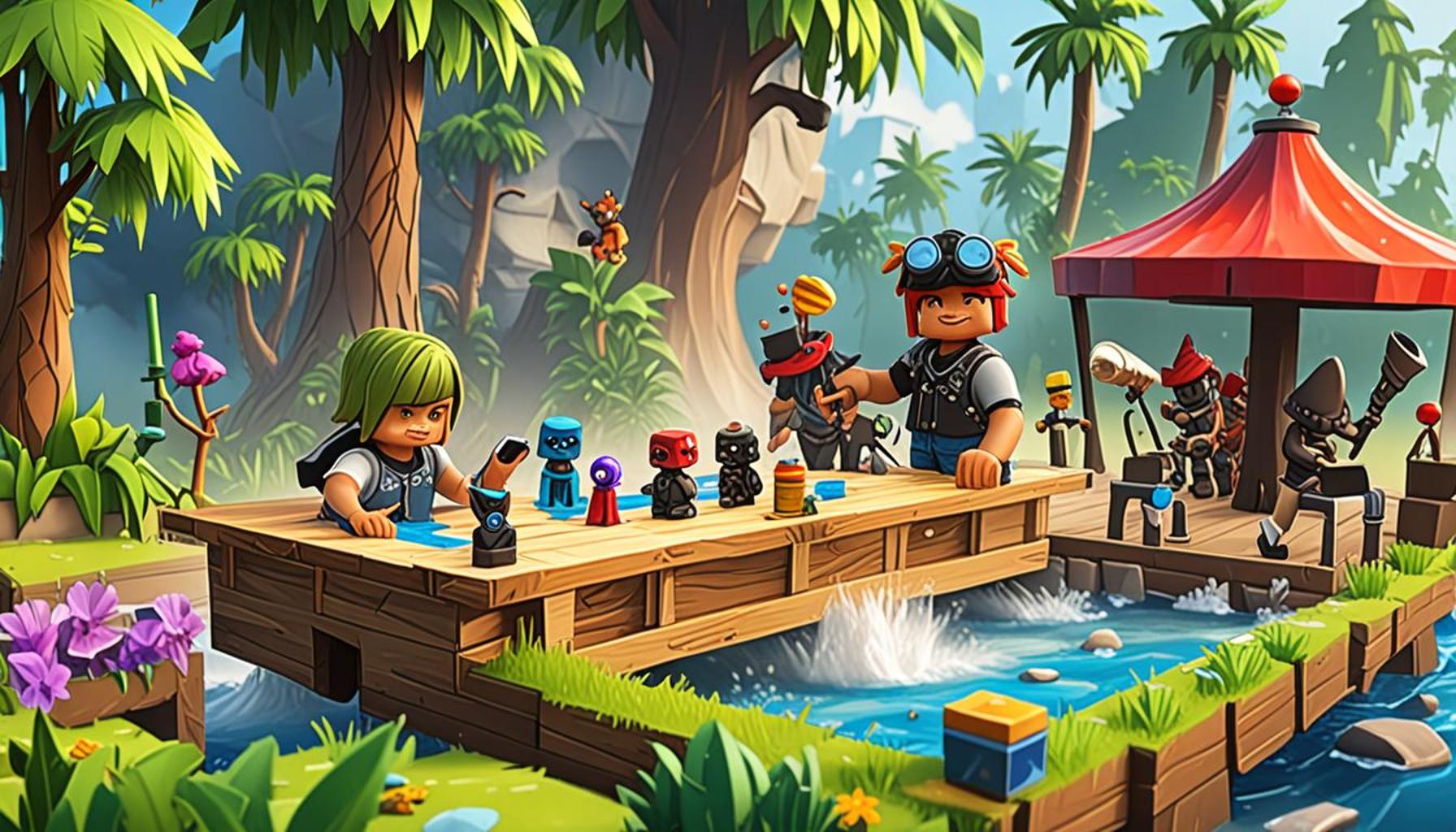

The Importance of User Feedback in Improving the Experience in Roblox

Understanding User Feedback
In the vibrant world of Roblox, user feedback plays a critical role in shaping the gaming experience. It is essential for developers to understand what players enjoy and what aspects need improvement. Without this feedback, games may become stagnant and fail to meet the evolving expectations of users.
Why User Feedback Matters
User feedback can drive significant changes in a game. Here are a few key reasons why feedback is so important:
- Identifying Issues: Players often report bugs or glitches that developers might overlook. For instance, in a user-created game, a simple issue like a floating item can disrupt gameplay, and only attentive players can alert developers to fix these quirks.
- Enhancing Gameplay: Suggestions from users can lead to new features that make the game more enjoyable. For example, if players suggest adding more customization options for characters, developers can implement these ideas to enhance the user experience, allowing players to express their individuality.
- Building Community: Engaging with player feedback fosters a sense of community and loyalty among users. When players see their feedback being valued and integrated into the game, they are more likely to feel a connection to the community and the developers behind it.
Roblox creators can utilize feedback in various ways. This can include surveys, forums, or even direct messages from players. Additionally, developers can host live Q&A sessions or community events where players can voice their thoughts in real time. By actively listening to the community, developers can make informed decisions that enhance user engagement and satisfaction.
Real-world Examples
Many successful Roblox games have thrived due to effective use of feedback. For instance:
- Adopt Me! regularly adjusts its features based on player suggestions. The game is best known for implementing seasonal events that reflect player ideas, which keeps the gameplay fresh and exciting.
- Brookhaven incorporates user feedback to introduce popular new game mechanics, like adding luxury vehicles or unique home designs that players have requested. This adaptability ensures that players remain engaged and invested in the game.
Through this collaborative approach, developers can create a gaming experience that not only attracts new players but also retains existing ones. By understanding the importance of user feedback, developers can ensure a dynamic and enjoyable environment in Roblox. In conclusion, embracing player input is not just an option for Roblox developers; it is a vital practice that enhances the overall quality and enjoyment of games. This results in a thriving ecosystem where both players and creators can flourish together.
SEE ALSO: Click here to read another article
The Role of Feedback in Game Improvement
In the context of Roblox, feedback serves as a lifeline between players and developers. It provides a channel for gamers to express their experiences and opinions, ensuring that the game evolves according to their desires. Understanding the players’ needs can significantly boost the quality of the gaming experience, ultimately resulting in a more appealing product. By prioritizing user feedback, developers can create engaging environments that enhance player satisfaction.
Methods of Collecting User Feedback
Developers have numerous avenues at their disposal for gathering feedback from the Roblox community. Here are some common methods:
- Surveys and Polls: Many game developers create online surveys or polls to gauge player sentiment about their games. These can cover a range of topics, from gameplay mechanics to graphic preferences. Surveys are particularly effective as they can garner responses from a broad audience quickly.
- Player Forums: Dedicated forums or Discord servers provide a space for players to discuss their gameplay experiences. Developers often monitor these platforms to capture ongoing conversations and suggestions that can improve their games.
- Live Events: Hosting live Q&A sessions allows players to interact directly with developers. These events can be valuable in obtaining real-time feedback and clarifying player concerns or ideas.
Each of these methods has its unique advantages. For instance, surveys can quantify opinions, while forums encourage deeper discussions. By employing a combination of these strategies, developers can capture a comprehensive view of player preferences, which can lead to meaningful enhancements in gameplay.
Transforming Feedback into Action
Once feedback is collected, the next challenge is determining how to act on it effectively. Prioritizing player suggestions is crucial. Developers should not only analyze feedback for common trends but also assess the feasibility of suggested changes. For instance, if numerous players request a specific feature, developers may prioritize this enhancement in upcoming updates. Conversely, it’s equally important to communicate back to the community about the feedback received and how it will influence future development.
This “feedback loop” ensures players feel heard and valued, reinforcing community engagement. When developers demonstrate that they take user input seriously, it helps cultivate a sense of trust and loyalty—a vital component in retaining Roblox players. It’s not just about making changes; it’s about creating a collaborative environment where players can see their ideas come to life.
In conclusion, harnessing user feedback is fundamental for Roblox developers in cultivating a dynamic and enjoyable gaming experience. By effectively gathering, analyzing, and implementing feedback, developers can ensure their games remain relevant and engaging, ultimately leading to a thriving community of players.
CHECK OUT: Click here to explore more
The Power of Community Involvement
User feedback not only provides valuable insights but also nurtures a sense of community within Roblox. Engaging players in the development process encourages collaboration, wherein they feel a shared ownership of the game. This involvement can result in a dedicated player base that actively contributes to the game’s success and longevity.
Building Stronger Relationships
When developers respond positively to feedback, it fosters stronger relationships with players. For instance, consider a popular game on Roblox that implements a player-suggested feature, such as a new character customization option. Once the update is released, developers can engage with their players by expressing gratitude and showcasing how the suggestion has been incorporated. This acknowledgment strengthens bonds, helping players feel that they are not just users, but crucial members of the game’s ecosystem.
Moreover, regular updates that reflect player feedback serve to keep engagement levels high. Players are more likely to return and continue playing if they see that their ideas are not just welcome but actively sought after. Developers may share devlogs, detailing how feedback is being integrated into future updates. This transparency not only builds trust but also promotes a sense of anticipation for what’s coming next.
Encouraging Innovative Ideas
User feedback can also be a catalyst for innovation. Creative suggestions from players can lead to groundbreaking gameplay ideas that developers might not have considered otherwise. For example, a player might propose a unique game mode that combines elements of racing and adventure. If the developers decide to explore this idea and test it within the game, they could unlock a new segment of their audience who are intrigued by this fresh concept.
Additionally, game developers often face challenges in identifying what works and what does not. By harnessing the creativity of the user base, developers can uncover solutions to common gameplay issues—such as balancing mechanics or improving user interface design. By embracing collaboration, both parties can drive continuous improvement.
The Data-Driven Approach
Apart from qualitative feedback, many developers utilize quantitative data derived from gameplay metrics. Analyzing data such as player retention rates, session length, and in-game purchases can provide robust insights into user preferences. Pairing this data with direct feedback opens up a holistic view of player experiences. For instance, if players indicate that they enjoy certain gameplay aspects but show a significant drop-off in playtime, developers can delve deeper into the analytics to explore what may be hindering enjoyment.
This data-driven approach helps developers prioritize updates that directly target pain points, ensuring resources are allocated effectively. By identifying specific trends, such as underutilized features or overly complex mechanics, developers can make informed decisions about where to focus improvement efforts.
Ultimately, the amalgamation of community feedback and data analytics fosters a responsive environment that keeps Roblox games fresh and aligned with player interests. The commitment to continual enhancement based on user feedback is crucial for sustaining long-term success within the ever-evolving landscape of gaming.
CHECK OUT: Click here to explore more
Understanding the Value of User Feedback in Roblox Development
User feedback serves as a pivotal asset in enhancing the gaming experience on Roblox. It empowers developers to refine gameplay features while addressing user concerns, therefore leading to increased satisfaction. This interactive process also catalyzes community involvement, which fosters a more enriching gaming environment for players. By placing a strong value on player input and adjusting their games accordingly, developers cultivate a powerful partnership with their audience, nurturing strong relationships that encourage loyalty and long-term engagement.
The impact of player feedback is reflected in numerous success stories throughout the Roblox community. For example, a popular game, “Adopt Me!”, evolved significantly after listening to player suggestions. When users expressed interest in a new pet type, the developers introduced innovative pets that became a hit, drawing in a wider audience and creating a buzz around upcoming features. Such adaptations not only expand the game’s appeal but also set these developers apart from others in a crowded marketplace.
A data-driven approach can amplify the benefits of user feedback. By analyzing player data alongside written feedback, developers can identify trends and patterns that genuinely resonate with their audience. This combination of analytics and personal experiences ensures that decisions are made based on solid evidence rather than mere speculation—which can often lead to missteps and poor player retention.
As the gaming landscape continues to evolve, maintaining a dynamic relationship with players becomes increasingly crucial. Regular updates grounded in feedback not only sustain high levels of engagement but also instill a sense of anticipation among users about future developments. For instance, the consistent introduction of new features in well-loved games creates an ongoing dialogue between developers and players, enriching the gaming community. Ultimately, recognizing the power of user feedback is essential for developers striving for enduring success in the vibrant world of Roblox. This commitment to collaboration ultimately fosters an engaging, player-focused atmosphere driven by creativity, a strong sense of community, and a dedication to continuous improvement.

Linda Carter
Linda Carter is a writer and expert known for producing clear, engaging, and easy-to-understand content. With extensive experience in guiding people as they pursue their goals, she shares valuable insights and practical advice. Her mission is to help readers make informed choices and achieve meaningful progress.