
The Influence of Social Media on the Mobilization of Social Movements in the USA
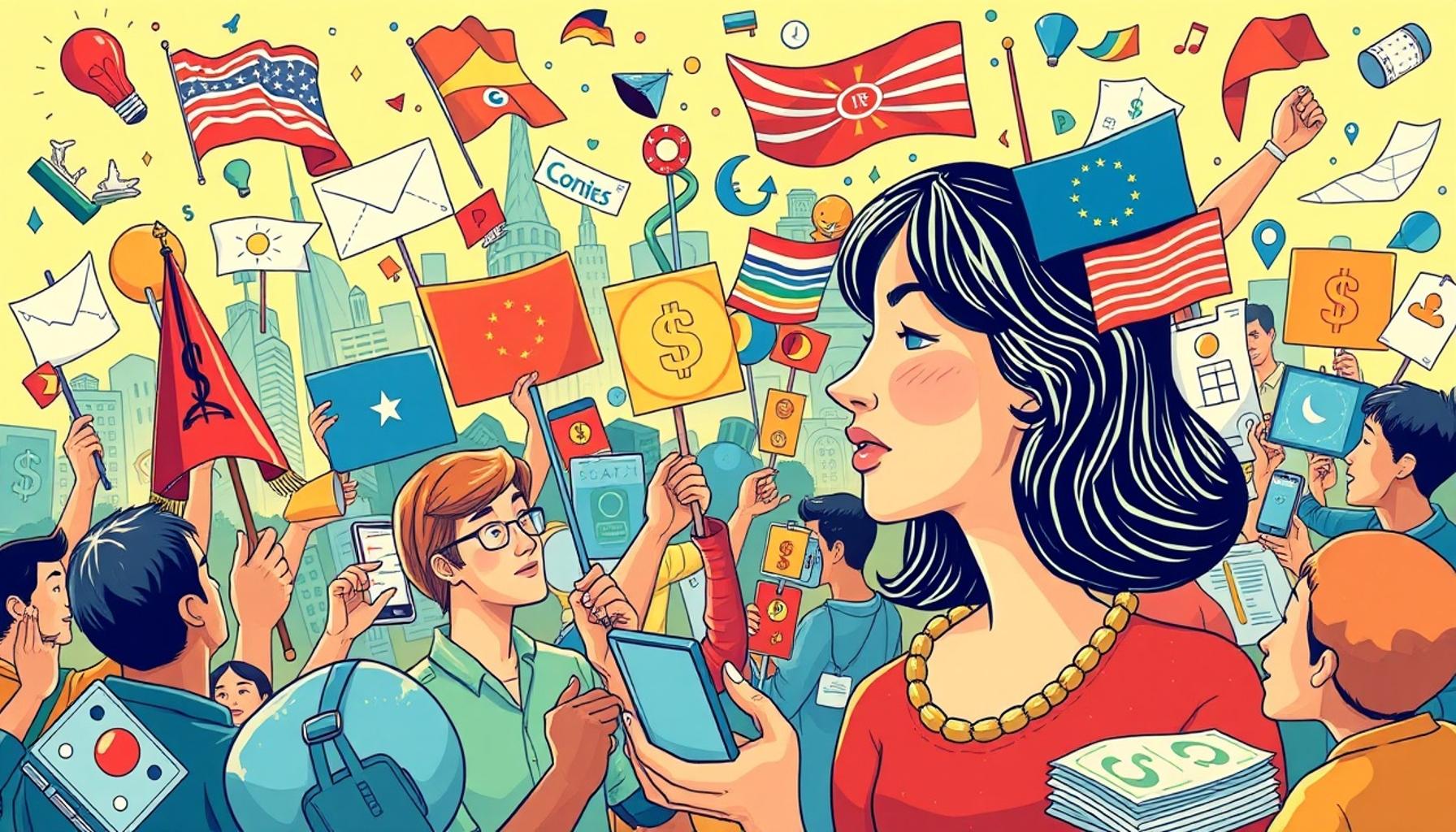
The Transformative Power of Social Media in Modern Mobilization
In the digital age, social media has become an essential medium through which information flows and communities rally around social causes. Platforms like Twitter, Facebook, and Instagram allow for immediate updates and widespread engagement, fundamentally changing how social movements operate in the United States and beyond. By providing a voice to the marginalized and facilitating rapid community organization, social media has ushered in a new era of activism.
One of the primary characteristics that underscore social media’s effectiveness in mobilization is its Rapid Information Sharing. Events that might have gone unnoticed can receive lightning-fast attention, sparking discussions and actions almost instantaneously. For instance, the tragic death of George Floyd in 2020 ignited global protests following a single video, illustrating how social media can turn local tragedies into international movements in mere moments. Tweets and posts can quickly reach millions of users, forcing critical conversations about issues such as police brutality into the public eye.
Another vital aspect of social media is its ability to foster Community Building. Individuals feeling isolated due to their beliefs or experiences can find solidarity online. This connection is particularly valuable for marginalized groups who may lack support or representation in mainstream media. For example, the #MeToo movement gained traction as survivors shared their stories, forming a powerful collective that challenged abuses of power across various industries. Through online interactions, participants cultivate a sense of belonging and shared purpose, which often translates into offline action.
The accessibility of social media platforms also plays a crucial role in mobilization efforts. Individuals can participate from anywhere, regardless of geographical limitations, making it easier for diverse voices to join movements. This inclusivity is exemplified by organizations like the Women’s March, where participants across the United States and even internationally coordinated to advocate for women’s rights. These marches began as grassroots initiatives propelled by social media, allowing people of all backgrounds to express their determination for gender equality and social justice.
Several prominent movements demonstrate the profound impact of social media on activism. The Black Lives Matter movement utilized viral hashtags to raise awareness about systemic racism, creating a platform not only for protests but for dialogue and education about racial injustice. Similarly, March for Our Lives emerged from student-led campaigns advocating for gun reform; the movement gained momentum through the strategic use of social media to organize events, rallies, and policy discussions.
Understanding the influence of social media helps us recognize its potential as a powerful catalyst for societal change. By harnessing these platforms, advocates challenge traditional power structures and push for comprehensive solutions to longstanding issues. As we observe the evolution of social movements, it is essential to evaluate how digital strategies continue to reshape activism, creating a landscape where collective action is more accessible and impactful than ever.
DISCOVER MORE: Click here to learn about emerging consumer behavior trends
Key Elements of Social Media Mobilization
To fully appreciate the influence of social media on social movements within the United States, it is crucial to explore several key elements that enhance mobilization efforts. These components not only facilitate the organization and dissemination of information but also foster meaningful engagement among participants. Here are some essential elements that define social media’s role in modern activism:
- Real-Time Engagement: Social media platforms allow for instantaneous communication, enabling activists to interact in real time. This feature is essential in crises or at pivotal moments, where quick responses can amplify a movement’s impact. For example, during the protests following the death of George Floyd, live updates, shared experiences, and calls for action were disseminated rapidly, creating a sense of urgency and solidarity.
- Creative Storytelling: Social media encourages innovative forms of expression that resonate with audiences. Activists utilize videos, memes, and infographics to share their messages compellingly and memorably. The viral nature of these formats can elevate important narratives, turning personal stories into rallying cries for justice. For instance, the #BlackLivesMatter movement has effectively employed powerful videos and graphics to highlight racial injustices.
- Hashtags as Organizing Tools: The use of hashtags has become a hallmark of social media activism, allowing users to categorize content and aggregate conversations on specific topics. By coining and promoting unique hashtags, movements can unify various voices under a single banner, giving participants a sense of belonging and purpose. Movements such as #NoBanNoWall and #MeToo have shown how hashtags can encapsulate complex issues and create a shared digital space for dialogue.
- Mobilizing Offline Action: Social media serves as a bridge between online advocacy and offline action. Through platforms, activists can organize events, rallies, and community meetings, turning digital support into physical presence. The Women’s March in 2017 is a prime example, where online planning and promotions resulted in millions marching in cities across the United States, illustrating the powerful connection between online movements and real-world activism.
Social media’s role in mobilizing social movements is not without challenges; misinformation can spread just as quickly as accurate information. Activists must navigate the complexities of digital discourse to maintain credibility and keep their messages focused. However, the positive aspects of social media—particularly its capacity for widespread outreach and engagement—undeniably make it a transformative tool for modern activism.
As we delve deeper into the implications of social media on social movements, it is essential to recognize how these platforms have disrupted traditional methods of organization and mobilization. Social media has fundamentally changed the landscape of activism in the United States, prompting a re-examination of how individuals and groups can galvanize support and effect change.
DISCOVER MORE: Click here to learn how to choose the perfect credit card
The Role of Community Building in Social Media Activism
In addition to the key elements of social media mobilization, an equally important factor is the role of community building within these digital spaces. Social media platforms allow individuals from diverse backgrounds to forge connections around shared issues, creating a sense of inclusivity and solidarity that is essential for the success of movements. The following points highlight how social media fosters community and drives collective action:
- Creating Safe Spaces: Social media can act as a sanctuary for marginalized voices, allowing individuals to share their experiences and perspectives in a supportive environment. Platforms like Facebook and Twitter provide users the opportunity to join groups based on their interests or identities, where they can express their thoughts freely without fear of judgment. For instance, LGBTQ+ activists utilize online forums to connect, share resources, and bolster each other’s campaigns for equality and rights.
- Global Outreach with Local Roots: While social media provides a global platform, it also sheds light on local issues, enabling communities to address region-specific concerns. Activists can locally engage audiences while also mobilizing international support for their causes. A salient example includes the Standing Rock protests against the Dakota Access Pipeline, where social media played a critical role in raising awareness about Indigenous rights and environmental justice. By sharing livestreams and updates, the movement garnered a worldwide following, highlighting the interconnectedness of local events and global support.
- Empowering Individuals Through Education: Social media is an invaluable resource for educating participants about social issues and advocating for change. Activists often share informative posts, articles, and videos that educate followers about the histories and contexts of their movements. Platforms like Instagram and TikTok serve as effective environments for bite-sized educational content, making complex social issues more digestible. For example, the #FreeBritney movement combined pop culture with advocacy, teaching followers about the legal intricacies surrounding conservatorship laws while rallying for the singer’s freedom.
- Intersectionality in Activism: Social media allows for a more intersectional approach to social movements, highlighting how various forms of discrimination overlap and affect individuals differently. Activists can share stories that showcase these complexities, encouraging dialogue on how issues related to race, gender, and class intersect. Movements like #SayHerName emphasize the unique experiences of Black women within the fight against police violence, raising awareness and expanding the conversation beyond single-issue advocacy.
The community-centered approach of social media activism promotes a sustained engagement that transcends the limitations of traditional organizing. By fostering lasting connections among participants, movements can cultivate loyalty and resilience among their followers. This encourages ongoing dialogue, support, and motivation throughout the journey toward social change.
As social movements continue to utilize social media for mobilization, the ability to build and nurture communities will remain a central pillar of their effectiveness. These digital interactions enable activists to share their struggles, strategize collectively, and ultimately inspire transformative change through solidarity and shared purpose.
DISCOVER MORE: Click here to learn how to apply for a Wells Fargo personal loan</a
Conclusion
In summary, the influence of social media on the mobilization of social movements in the USA is profound and multifaceted. Social media platforms have transcended traditional barriers, enabling individuals to unite around shared causes, regardless of geographical limitations. This digital landscape fosters a sense of community, providing safe spaces for marginalized voices to express their experiences and advocate for change. The ability to highlight local issues while simultaneously attracting global attention creates a powerful dynamic that can result in significant social impact.
Moreover, social media serves not only as a tool for mobilization but also as an educational resource, empowering individuals to understand complex social issues and embrace an intersectional approach to activism. Movements that leverage these platforms effectively illustrate the importance of collective action and sustained engagement, as they build strong networks of support and resilience.
As we look toward the future, it is crucial to recognize the evolving nature of these digital interactions and their potential to shape social movements. While social media provides remarkable opportunities for mobilization, it also poses challenges such as misinformation and digital fatigue. Therefore, activists must remain vigilant and strategic in their approaches. The continued success of social movements in the USA will depend on their ability to adapt and innovate within this ever-changing digital realm, harnessing the power of community and solidarity to drive impactful change.

Linda Carter
Linda Carter is a writer and expert known for producing clear, engaging, and easy-to-understand content. With extensive experience in guiding people as they pursue their goals, she shares valuable insights and practical advice. Her mission is to help readers make informed choices and achieve meaningful progress.