
Innovations in Renewable Energy and Their Implications for Sustainability
Understanding the Shift to Renewable Energy
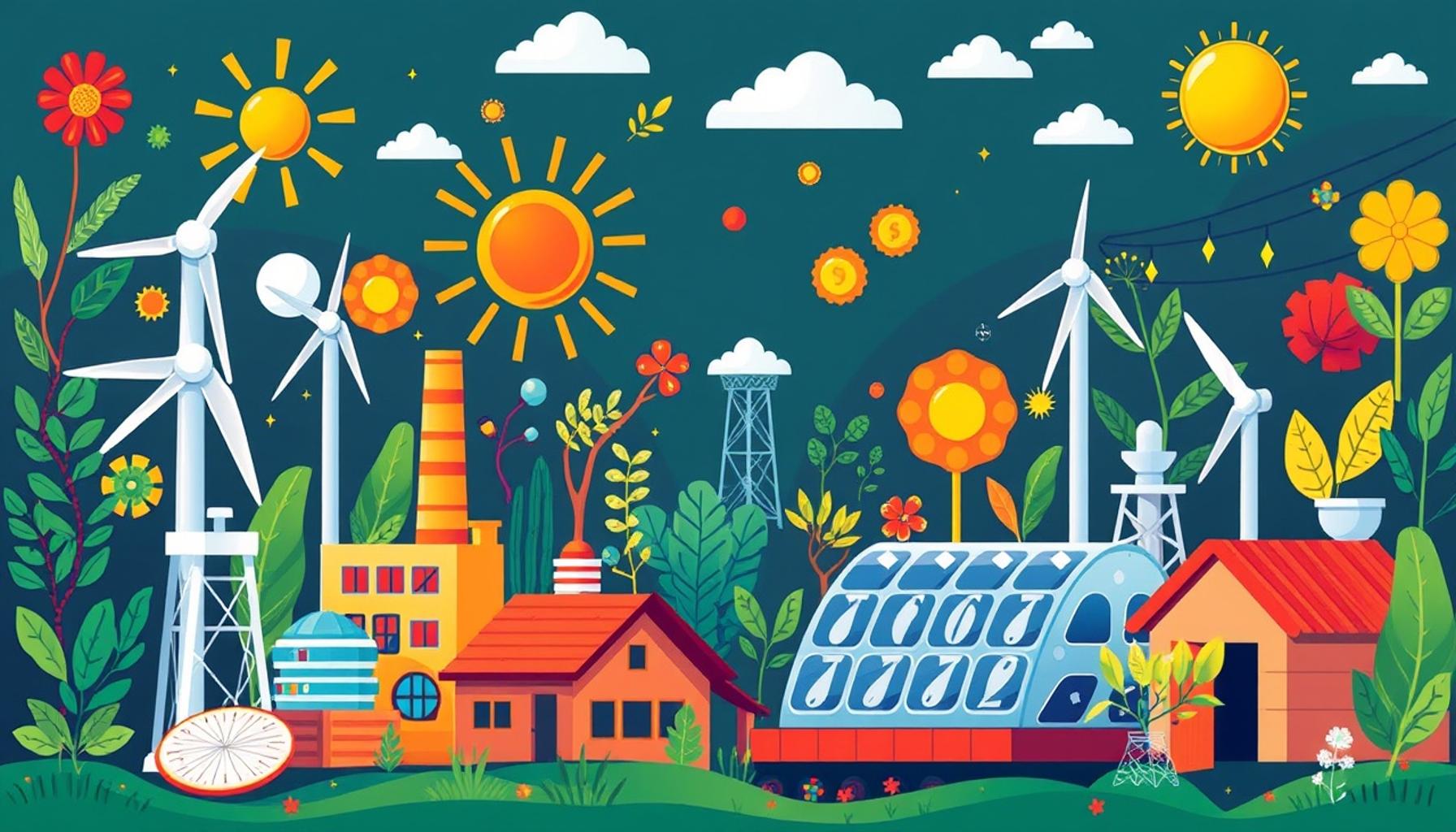
This pivotal moment in energy production is not just a matter of technology but also a reflection of our changing values towards sustainability and environmental protection. As climate change intensifies and its impacts become more evident, from rising sea levels to extreme weather events, society is increasingly recognizing the importance of transitioning from traditional fossil fuels to renewable energy sources. These sources not only promise a more sustainable future but also offer tangible benefits in terms of efficiency and cost-effectiveness.
One of the most notable innovations in renewable energy is solar power. Recent advancements in photovoltaic cells have significantly improved energy conversion rates, making solar panels more effective than ever. For example, the development of bifacial solar panels—capable of capturing sunlight from both sides—has increased energy capture while decreasing the overall footprint of solar installations. This technology is becoming more common in residential areas across the US, allowing homeowners to generate their own electricity and reduce utility costs, which is particularly appealing in states with abundant sunshine like California and Arizona.
Wind energy is another prominent player in the renewable sector. Enhanced turbine designs, such as larger rotor diameters and higher hub heights, allow modern wind turbines to capture more energy from the wind. This has led to a significant increase in output from offshore wind farms, particularly along the East Coast, where vast stretches of open waters are being utilized for energy production. Projects like the Vineyard Wind project in Massachusetts indicate a commitment to harnessing wind energy, which is expected to generate thousands of jobs and power millions of homes.
Additionally, bioenergy is gaining traction as a viable alternative to fossil fuels. Innovations in biomass conversion technologies have made it possible to turn agricultural waste and other organic materials into valuable energy. For instance, in the Midwest, farmers are increasingly using their crop residues to produce biogas, which can be used to generate electricity or fuel vehicles. This not only reduces waste but also provides farmers with an additional income stream.
The impact of these technologies extends beyond environmental benefits. By embracing renewable energy, we can decrease reliance on finite resources like coal and natural gas, enhancing our overall energy security. It also reflects a shift in employment opportunities, as new sectors emerge and drive job creation in areas like manufacturing, installation, maintenance, and energy management.
In conclusion, the transition to renewable energy is multifaceted, involving technological innovation, economic benefits, and an urgent need for sustainable practices. The implications of these advancements are profound, as they not only serve to protect our planet but also drive economic growth and job creation. It is imperative for individuals, communities, and policymakers to understand and support this transition, as it represents a crucial step toward a sustainable and secure energy future. This exploration of renewable energy technologies will illuminate their potential to shape the future we all share.
LEARN MORE: Click here to dive deeper
Advancements in Renewable Energy Technologies
As the world increasingly turns its attention towards sustainable energy solutions, several innovative technologies are reshaping the landscape of renewable energy. These advancements not only enhance the efficiency and affordability of energy production but also contribute significantly to mitigating the effects of climate change. Let’s explore some of the leading innovations and their implications for sustainable practices.
Solar Power Innovations
Solar energy continues to be at the forefront of renewable technology, with innovations propelling its growth. Beyond bifacial solar panels, other developments such as solar tracking systems have gained popularity. These systems allow solar panels to move in alignment with the sun’s trajectory throughout the day, optimizing energy capture. In certain regions, these systems can increase output by as much as 25-35%. This technology proves crucial in locations with variable sunlight, enabling homes and businesses to become more self-sufficient in their energy needs.
Wind Turbine Breakthroughs
The evolution of wind turbine technology has also been remarkable. The integration of smart technology, including sensors and data analysis, allows for real-time monitoring of turbines to maximize efficiency. Coupled with the trend of floating wind farms, which can be installed in deeper waters where wind speeds are higher and more consistent, this innovation expands the potential for wind energy significantly. Such projects have started to capture attention along the West Coast, promising clean energy generation while preserving ocean habitats.
Bioenergy from Waste
Another critical innovation lies in the field of bioenergy. Modern methods to convert organic waste into energy, such as anaerobic digestion and gasification, have made bioenergy more practical and efficient. For example, many municipalities in the United States are experimenting with converting food waste into biogas, which can then be used for heating, generating electricity, or even fueling vehicles. This not only helps to reduce landfill waste but also contributes to a circular economy where materials are reused rather than discarded.
The Rise of Energy Storage Solutions
As renewable energy sources like solar and wind can be intermittent, energy storage technologies have emerged as a vital component in this transition. Advanced battery systems, most notably lithium-ion batteries, have become more cost-effective and widely available. Additionally, emerging technologies such as flow batteries and thermal storage are providing new ways to store excess energy for when it’s needed most. These solutions are crucial for ensuring a reliable energy supply and enhancing the viability of renewable sources.
Implications for Sustainability
The implications of these innovations are profound. By embracing advancements in renewable energy, we can:
- Reduce greenhouse gas emissions
- Enhance energy independence
- Create new job opportunities in emerging sectors
- Encourage innovation and investment in sustainable technologies
The shift towards renewable energy is not solely an environmental necessity but an economic opportunity that can lead the United States towards a sustainable future. Understanding and investing in these innovations will be essential for addressing the challenges of tomorrow while nurturing a healthier planet today.
LEARN MORE: Click here to understand how to safeguard your finances.
Emerging Trends in Renewable Energy Integration
As innovation in renewable energy technologies continues to advance, the way we integrate these solutions into the existing energy grid is equally critical. The transition from conventional energy systems to more sustainable models requires not only new technologies but also innovative approaches to energy distribution and consumption. Let’s delve into some of the emerging trends that are paving the way for a more sustainable energy future.
Smart Grids and Decentralized Energy Systems
Smart grid technology represents a significant leap forward in energy management. These grids utilize digital communications technology to monitor and manage the transport of electricity from all generation sources to meet the varying electricity demands of end users. One important aspect of smart grids is their ability to integrate renewable sources into the grid more efficiently. For example, they enable households with solar panels to sell excess energy back to the grid, creating a decentralized energy system that fosters greater energy independence. This shift not only empowers individuals to take charge of their energy consumption but also stabilizes grid performance by balancing energy loads more effectively.
The Role of Electric Vehicles (EVs)
The increasing adoption of electric vehicles (EVs) is another critical element supporting the growth of renewable energy. As more consumers turn to EVs, the demand for charging infrastructure integrated with renewable sources is also on the rise. For instance, EV charging stations powered by solar panels can operate independently from the traditional grid, thus further reducing reliance on fossil fuels. In addition, EVs have the potential to serve as mobile energy storage units. When plugged in at home, these vehicles can allow homeowners to draw energy from their car batteries during peak hours or even supply energy back to the grid during high demand, promoting resilience and flexibility in the energy system.
Hydrogen Fuel and Its Potential
Another innovative area gaining traction is **hydrogen fuel**. Produced via **renewable energy sources**, such as wind or solar, this “green hydrogen” can serve as a versatile fuel source for various applications, including transportation and industrial processes. For example, several companies are now looking into utilizing hydrogen to power heavy-duty trucks or as an alternative energy source for manufacturing steel, an industry historically reliant on carbon-intensive processes. This approach not only addresses energy consumption needs but also significantly reduces emissions associated with traditional fuel sources.
Community and Cooperative Energy Projects
Community energy projects are becoming increasingly popular and vital to reinforcing local sustainability efforts. These initiatives allow neighborhoods or local groups to invest in and manage renewable energy sources collectively. An example can be found in various locations across California, where residents band together to develop localized solar farms. By working collectively, these communities can enjoy lower energy costs, access government incentives, and make significant strides in sustainability without relying solely on large utility companies. This model fosters community engagement and a sense of ownership while also addressing energy access disparities.
Data Analytics and Energy Management
The use of data analytics in energy management is revolutionizing how we optimize energy consumption. Advanced analytics can project demand patterns, evaluate energy usage in real time, and suggest consumption strategies. For businesses, leveraging these insights allows for not only the reduction of costs but also more effective management of resources. By analyzing building performance data, organizations can identify areas for energy savings, such as optimizing heating and cooling systems or implementing energy-efficient lighting solutions.
With these trends and innovations in renewable energy integration, we are witnessing a transformative period that holds abundant promise for enhancing sustainability and crafting a resilient future. Embracing these developments is crucial for unlocking the full potential of renewable resources, ultimately leading to a more sustainable energy landscape in the United States and beyond.
LEARN MORE: Click here to delve deeper
Conclusion
The advancements in renewable energy technologies signal not just a transition in the way we generate power but also a holistic shift towards a more sustainable future. As we have explored, innovations such as smart grid systems, electric vehicles, hydrogen fuel, and community energy projects are catalyzing a transformation in energy consumption and distribution. These innovations enhance energy independence, reduce reliance on fossil fuels, and promote engagement at community levels. The collective impact of these trends extends beyond merely improving energy efficiency; they foster resilience and adaptability in our energy systems.
The integration of data analytics into energy management further enriches this landscape by enabling precise monitoring and optimization of energy consumption. By harnessing data to inform energy practices, individuals and businesses alike can realize significant financial and environmental benefits. As the adoption of renewable energy solutions escalates, it is crucial for policymakers, corporations, and citizens to support and invest in these developments actively.
Ultimately, the path forward promises not only cleaner energy sources but also the prospect of a collaborative and engaged society that prioritizes sustainability. As we embrace these innovations, we have the chance to mitigate climate change, enhance energy access, and create a healthier planet for future generations. This ongoing journey calls for perseverance and innovation, but the rewards—a sustainable and resilient energy landscape—are well worth the effort.

Linda Carter
Linda Carter is a writer and expert known for producing clear, engaging, and easy-to-understand content. With extensive experience in guiding people as they pursue their goals, she shares valuable insights and practical advice. Her mission is to help readers make informed choices and achieve meaningful progress.