
How Digital Transformation is Reshaping the Healthcare Sector in the US: Telemedicine and Innovation
The Shifting Healthcare Landscape
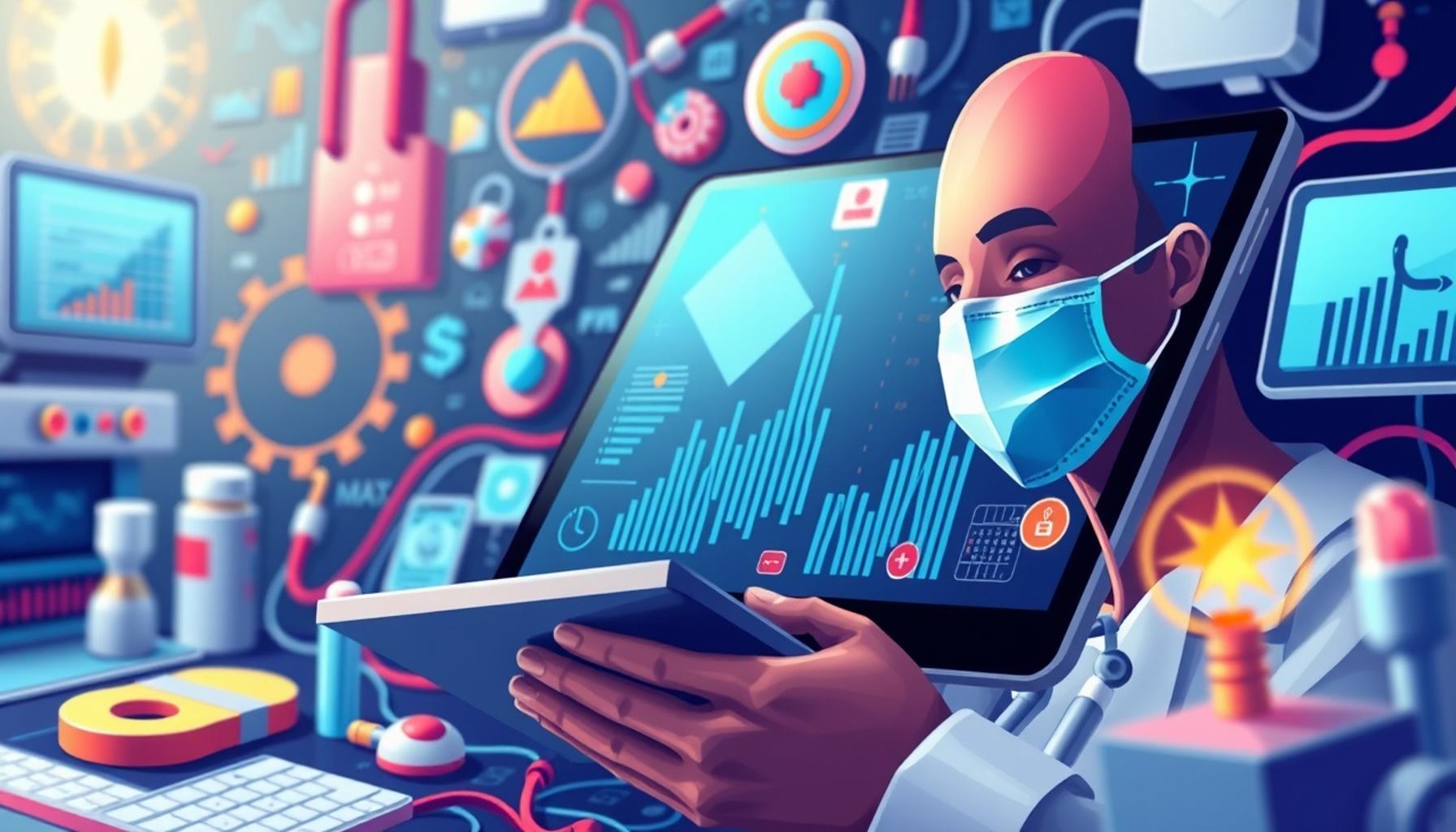
In recent years, the healthcare sector in the United States has undergone a profound change driven by the necessity to innovate and improve patient care. This transformation is largely propelled by digital technology, which is redefining how healthcare services are delivered and experienced by patients. The advent of telemedicine is one of the most noteworthy innovations, facilitating a shift from traditional in-person consultations to virtual ones.
One of the principal advantages of telemedicine lies in remote consultations. Patients can now engage with healthcare professionals through secure video calls. This revolutionizes access, especially for individuals living in rural areas or those with mobility issues. For example, a patient located in a remote town can receive expert consultation from a specialist in a large city without the need to commute for hours. This convenience empowers patients to seek timely medical advice, potentially leading to earlier diagnoses and more effective treatment.
Another significant aspect of this digital transition is patient monitoring. The emergence of wearable technology—like smartwatches and fitness trackers—enables continuous health tracking outside of the clinical environment. Users can monitor vital signs such as heart rate, blood pressure, and even oxygen saturation levels with these devices. For instance, a person with a chronic condition like diabetes can use a continuous glucose monitor that sends real-time data to their healthcare provider. This not only allows for more personalized care but also fosters a proactive approach to health management.
The impact of data management through Electronic Health Records (EHR) cannot be underestimated. EHR systems digitize patient records, making them easier to update, access, and share among healthcare providers. This ensures that a patient’s medical history is readily available during consultations, reducing the risk of errors that could arise from misplaced or incomplete paper records. For example, if a patient visits a new specialist, that provider can quickly view the patient’s previous treatments and medications, allowing for a more informed and comprehensive treatment plan.
During critical situations, such as the COVID-19 pandemic, telemedicine has been vital in ensuring continuity of care while prioritizing patient safety. It minimized the need for in-person visits, significantly reducing the chances of viral transmission. As a result, healthcare providers could still diagnose and treat patients effectively while adhering to social distancing guidelines.
As we delve deeper into the effects of these innovations, it becomes evident that technology is not just an improvement in the tools used in healthcare; it is a catalyst for a complete overhaul of the patient experience. With these advancements, the healthcare landscape is shifting toward more accessible, efficient, and personalized care, promising better outcomes for patients across the United States.
DON’T MISS OUT: Click here for tips on getting free clothes
Key Features of Telemedicine and Digital Health
The integration of digital technology into healthcare has introduced numerous features that are revolutionizing patient care. Understanding these components is essential for appreciating how telemedicine is transforming the landscape of healthcare in the United States.
Enhanced Accessibility
One of the most vital features of telemedicine is its ability to enhance accessibility to healthcare services. This is particularly significant for populations residing in remote or underserved areas. By eliminating the need to travel long distances to see a healthcare provider, telemedicine facilitates timely medical intervention. In fact, studies show that telehealth visits have increased by over 50% during the pandemic, underscoring its importance in modern healthcare. Consider patients with limited transportation options; they can now have consultations from the comfort of their homes, making healthcare far more equitable.
Cost-Effectiveness
Telemedicine also provides a cost-effective alternative to traditional healthcare. In addition to saving on travel costs, patients often benefit from reduced fees associated with in-person consultations. Many insurance providers are beginning to cover telemedicine visits at similar rates to face-to-face appointments, making these services more financially accessible. For instance, a routine check-up that might entail costs for gas, parking, and time off work can now be done at a fraction of the price through a virtual visit.
Increased Patient Engagement
Telemedicine promotes greater patient engagement in their own care. Through virtual platforms, patients can share information with their healthcare providers, ask questions, and actively participate in decision-making regarding their health. This level of engagement fosters a sense of responsibility for patients, empowering them to manage their health more effectively. For example, online portals and mobile apps allow patients to view test results, schedule appointments, and communicate with healthcare professionals seamlessly.
Innovations in Remote Patient Monitoring
Another exciting aspect of digital transformation is the rise of remote patient monitoring technologies. This innovative segment enables healthcare providers to monitor patients’ health data remotely, giving providers real-time insight into their patients’ conditions. Devices like blood pressure monitors and glucose meters can transmit data directly to healthcare professionals. For instance, a heart failure patient can use a telemonitoring device that sends daily weight and heart rate data to their care team, allowing immediate intervention if any concerning trends arise.
Challenges and Considerations
While there are numerous benefits, the shift towards telemedicine isn’t without its challenges. Key considerations include:
- Technological Barriers: Not all patients have access to the necessary technology or internet connectivity.
- Privacy Concerns: With the rise of digital communication, protecting patient information remains paramount.
- Regulatory Hurdles: Differences in state laws regarding telemedicine can complicate cross-state healthcare delivery.
Despite these challenges, the potential for telemedicine and digital health innovations to reshape the healthcare landscape remains vast. As technology continues to evolve, addressing these issues will be crucial in expanding access and improving patient outcomes across the United States.
DISCOVER MORE: Click here to learn about emerging trends
The Role of Artificial Intelligence in Telemedicine
Artificial Intelligence (AI) is playing an increasingly pivotal role in enhancing telemedicine and overall digital health initiatives. By leveraging various AI technologies, healthcare providers can improve diagnostics, patient interactions, and care management. This technology brings a new layer of efficiency and accuracy to telemedicine services.
AI-Driven Diagnostics
AI offers promising solutions in the field of diagnostics. Machine learning algorithms can analyze medical images, lab results, and patient data faster and more accurately than human counterparts. For instance, AI applications may assist radiologists in identifying anomalies in X-rays or MRIs that could indicate conditions like cancer. This speed and precision not only improve patient outcomes but also free up healthcare professionals to focus on more complex cases.
Virtual Health Assistants
Another application of AI in telemedicine is the development of virtual health assistants. These AI-powered chatbots can handle a wide array of tasks, from scheduling appointments to conducting preliminary health assessments. By using natural language processing, these assistants can interact with patients in a conversational manner, providing healthcare information and answering frequently asked questions. An example is companies like Ada Health that use AI to guide patients through symptom-checking processes, allowing for a more streamlined path to care.
Predictive Analytics for Proactive Care
AI also enables predictive analytics that can proactively identify at-risk patients before health issues escalate. By analyzing historical health data, social determinants of health, and current trends, healthcare providers can anticipate complications and intervene earlier. For instance, a hospital may use predictive models to identify patients with chronic illnesses who are likely to miss follow-up visits, allowing care teams to proactively reach out to these patients and encourage adherence to treatment plans. This proactive approach can significantly reduce emergency room visits and hospitalizations.
Telemedicine Integration with Electronic Health Records (EHRs)
The integration of telemedicine platforms with Electronic Health Records (EHRs) further enhances the quality of care. With seamless access to patient records, healthcare providers can make informed decisions quickly during virtual consultations. For example, if a patient reports new symptoms during a telehealth appointment, the practitioner can instantly review their medical history, recent lab results, and treatment notes. This ensures that decisions are based on comprehensive data, leading to better care coordination.
Future Prospects and Challenges of AI in Telemedicine
While the incorporation of AI in telemedicine is promising, it is essential to recognize ongoing challenges. Concerns regarding algorithmic bias, data integration, and the ethical implications of machine-made decisions must be addressed. Furthermore, healthcare practitioners need training in these new technologies to utilize them effectively. As the field evolves, ensuring that AI systems are transparent, safe, and equitable will be paramount.
As we look to the future, it is evident that the synergy between telemedicine and artificial intelligence is poised to drive further innovations. By continuing to adopt and refine these technologies, the healthcare sector can not only enhance patient experiences but also significantly improve health outcomes across the board.
DISCOVER MORE: Click here to learn about budgeting strategies
Conclusion
The transformation of the healthcare sector in the US through digital innovation and telemedicine is not just a trend; it is a profound shift that enhances patient care, accessibility, and system efficiency. As we have explored, technologies such as artificial intelligence, predictive analytics, and integrated electronic health records are revolutionizing how healthcare is delivered, making it more personalized and responsive to the needs of patients.
Telemedicine has emerged as a crucial tool, particularly highlighted during the COVID-19 pandemic, enabling patients to receive care from the comfort of their homes. This not only reduces the strain on healthcare facilities but also improves health outcomes by making services more accessible to those in remote or underserved areas. Furthermore, the rapid integration of AI enhances diagnostic precision, facilitates proactive care, and streamlines patient interactions, setting a new standard for healthcare efficiency.
While the commitment to embracing innovative technologies is crucial, it is equally important to address challenges such as data privacy, algorithmic biases, and the need for adequate training among healthcare providers. By ensuring transparency, safety, and equity in these advancements, the healthcare sector can cultivate trust and improve patient engagement. As we look ahead, the ongoing evolution of telemedicine and its integration with emerging technologies heralds a promising future, where healthcare is more effective and patient-centered than ever before. The journey is ongoing, and with it comes the potential for transformative improvements in health outcomes across the nation.

Linda Carter
Linda Carter is a writer and expert known for producing clear, engaging, and easy-to-understand content. With extensive experience in guiding people as they pursue their goals, she shares valuable insights and practical advice. Her mission is to help readers make informed choices and achieve meaningful progress.