Impacts of Inflation on the Lithuanian Economy: What the Latest News Reveals About Citizens’ Purchasing Power
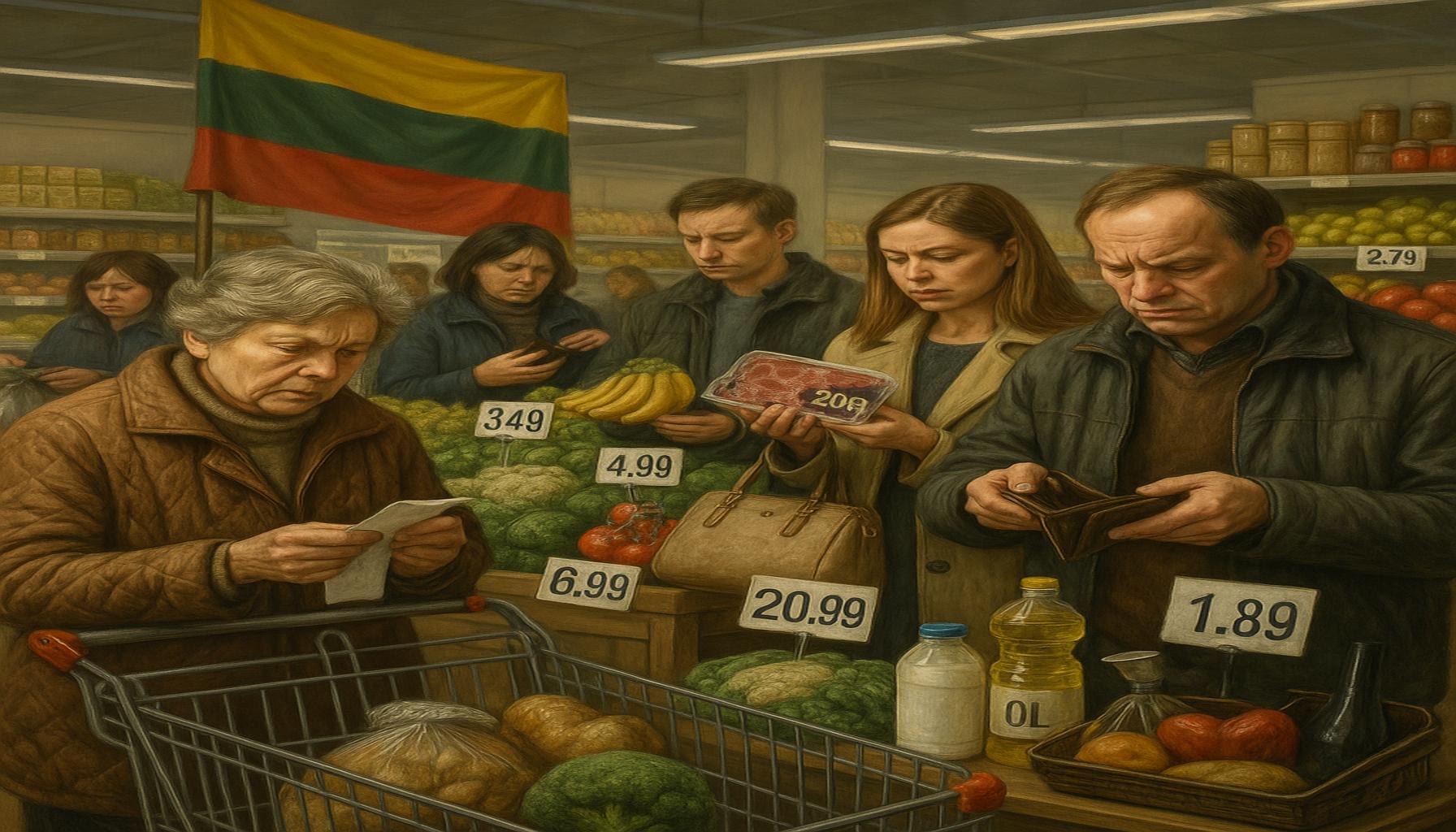
Understanding Inflation and Its Impacts
Inflation plays a crucial role in shaping the economic landscape of a nation, influencing various aspects of daily life. This situation is particularly evident in Lithuania, where recent trends have brought inflation to the forefront of public discourse. Citizens are understandably concerned about the impact of inflation on their purchasing power and overall financial well-being. To comprehend the broader implications of inflation, it is essential to explore its effects on the economy and how it ultimately influences everyday life for Lithuanians.
Key Aspects of Inflation’s Impact
When inflation increases, several critical factors are affected:
- Cost of Living: With rising inflation, the prices of essential goods and services—such as food, housing, transportation, and healthcare—tend to increase. For example, if the price of bread goes up from €1 to €1.20, families may find it challenging to stick to their budgets. This increase can lead to difficult choices, such as cutting back on discretionary spending or seeking cheaper alternatives, which can affect quality of life.
- Interest Rates: In response to inflation, central banks like the Bank of Lithuania may raise interest rates to cool down an overheating economy. This adjustment can make borrowing more expensive, affecting loans and mortgages. For instance, if the interest rate on a mortgage rises from 3% to 4%, a homeowner may have to pay significantly more in interest over the life of the loan, thereby reducing disposable income.
- Wage Growth: One of the most pressing concerns during periods of inflation is the disparity between wage growth and inflation rates. If wages increase by 2% while inflation is at 4%, employees effectively experience a decline in their real income. This means their money buys less than it did before, leading to potential unrest and dissatisfaction in the workforce.
These interconnected factors contribute to shifts in consumer confidence and spending patterns. As Lithuanians face heightened prices for everyday essentials, understanding the full repercussions of inflation becomes crucial for maintaining financial health. For instance, families may prioritize essential purchases, such as groceries, over non-essential items, which in turn affects local businesses that rely on consumer spending.
In summary, inflation is not just a theoretical economic concept; it manifests in tangible ways that influence the day-to-day lives of individuals and families in Lithuania. By grasping these elements, citizens can better navigate the challenges posed by inflation and work towards protected financial futures.
The Ripple Effects of Inflation on Daily Life
As inflation continues to rise, its effects extend beyond mere numbers in economic reports; it significantly alters the everyday experiences of Lithuanian citizens. Understanding how inflation reverberates throughout the economy can help individuals adapt and make informed decisions. Below, we examine several specific areas where inflation impacts purchasing power and daily life.
What Inflation Means for Household Budgets
The most direct impact of inflation is often felt in household budgets. As prices increase, families are compelled to reassess their spending habits. The essentials, such as food and energy, become more expensive, leading to potential sacrifices in other areas of life. Consider the following key areas where inflation affects Lithuanian families:
- Food Prices: In recent months, the cost of staple items like fruits, vegetables, and dairy products has surged. For example, if the price of milk increases from €0.80 to €1.00 per liter, a family that consumes a liter daily will notice an additional annual expense of €73, cutting into savings or leisure budgets.
- Housing Costs: Rent and housing expenses often climb in tandem with inflation, putting a strain on renters and homeowners alike. If rent prices rise by 5% in a year, that could force families to make the difficult choice between moving to a more affordable neighborhood or stretching their budgets even further.
- Transportation Expenses: Fuel prices also fluctuate with inflation, directly impacting commuting costs. As more Lithuanians choose to drive rather than rely on public transport for convenience, fluctuations in fuel prices become a pressing concern. A 10-cent increase in gas prices can add up quickly for daily commuters.
These examples highlight just how inflation can disrupt financial stability. When overall prices increase, the purchasing power of the same amount of money dwindles, meaning families cannot buy as much with their income as they could previously. This reality prompts households to prioritize their expenditures, frequently putting essential needs before discretionary purchases.
Moreover, this pressing financial reality often leads to a broader psychological impact. Citizens may feel anxious about their financial situations, potentially limiting their willingness to engage in spending that helps stimulate the economy. When families hesitate to spend on non-essential items like new clothes or dining out, local businesses feel the hit, which can lead to a cycle of slowing economic growth.
As Lithuanians navigate the complexities of inflation and its effects on their purchasing power, awareness of these dynamics is crucial. By recognizing the real implications of rising prices, individuals are better equipped to make strategic financial choices that can help them manage and adapt to the evolving economic landscape.
Inflation’s Influence on Investment and Savings
Another crucial aspect of the inflation phenomenon in Lithuania is how it affects investment choices and savings patterns among individuals. As prices rise, the value of money decreases, prompting many to rethink how they save and invest their income. Understanding these shifts is essential for safeguarding financial interests.
Impact on Savings
With inflation eroding the value of money, traditional savings accounts may seem less appealing to those looking to preserve their purchasing power. For instance, if an individual’s savings account offers an interest rate of only 1% while inflation sits at 4%, the real growth of their money is negative. This reality pushes many Lithuanians to explore alternative saving mechanisms to counteract the impact of rising prices.
- Inflation-Linked Investments: One strategy that some citizens may consider is investing in assets that typically outpace inflation, such as real estate or stocks. For instance, if a family invests in a property that appreciates over time, the increase in value can help offset inflationary pressures on their finances.
- Precious Metals: Metals such as gold and silver have historically been viewed as safe havens during inflation. Some individuals might choose to allocate a portion of their investments into these commodities, believing that their value will remain stable or grow during times of economic uncertainty.
These strategies illustrate how inflation encourages individuals to divert their focus from low-yield savings accounts to potentially riskier, yet more rewarding, investment avenues. However, these choices come with their own sets of risks and uncertainties, underlining the necessity for careful planning and research.
Changes in Consumer Behavior
Inflation not only shapes financial strategies but also affects consumer behavior in noticeable ways. Many Lithuanians are reevaluating their purchasing patterns and preferences based on the shifting economic landscape; this adjustment can have widespread implications for local businesses and the overall economy.
- Shift to Generic Brands: During times of rising costs, consumers often gravitate towards more affordable options, such as generic or store-brand products. For example, a Lithuanian family may switch from buying a well-known brand of pasta to a generic version, as the price difference can significantly impact overall grocery bills.
- Delayed Purchases: When inflation creates uncertainty about future costs, consumers may postpone major purchases, such as appliances or vehicles, anticipating that prices will stabilize or decrease. This delay can lead to slowed sales for retailers, further contributing to economic stagnation.
By adopting more cautious spending habits, citizens can safeguard against the uncertainty that inflation brings. However, these behaviors can also translate into reduced sales for businesses, which can perpetuate a cycle of reduced economic growth, causing concern for both entrepreneurs and employees alike.
As Lithuanians navigate the complex interplay between inflation, savings, and consumer behavior, the broader implications on the economy reveal the interconnectedness of these factors. Awareness of these trends can assist individuals in making informed decisions that align with both personal financial goals and the evolving landscape of the Lithuanian market.
Conclusion: Navigating the Inflationary Landscape
The ongoing inflationary pressures in Lithuania are reshaping the economic landscape, impacting citizens’ purchasing power in significant ways. As we have explored, inflation not only diminishes the value of money but also drives individuals to reconsider their saving strategies and investment choices. In a climate where traditional savings accounts struggle to keep pace with rising prices, many Lithuanians are turning to alternative investment options such as real estate or stocks, which may offer better protection against inflation.
Moreover, consumer behavior is also shifting. With economic uncertainty prompting individuals to prioritize affordability, we see a growing trend towards generic brands and a tendency to delay substantial purchases. These changes reflect a broader adaptation strategy as citizens aim to manage their finances more prudently amid fluctuating prices.
As Lithuanians navigate this complex economic environment, awareness and education about these trends becomes increasingly vital. Understanding the implications of inflation on personal finance can empower individuals to make informed decisions that not only preserve their purchasing power but also foster responsible spending and investment habits. The economic dialogue surrounding inflation should encourage proactive engagement from both consumers and businesses alike to enhance resilience against the challenges posed by rising costs.
In conclusion, while inflation presents undeniable challenges, it also serves as a catalyst for change, urging citizens to adapt and rethink their financial strategies in pursuit of stability and growth. As the situation evolves, continued monitoring and informed discussions will be essential to shaping a robust economic future for Lithuania and its people.
Related posts:
Advantages of Mobile Banking and How to Make the Most of Them
The Evolution of Online Banks in Canada: Advantages and Challenges
The Impact of Online Banks on Financial Inclusion in Canada
The Impact of Online Banks on Small Businesses: Opportunities and Challenges
The evolution of online banking in Canada: how technology is transforming the financial sector
How to Set Up Alerts and Notifications for Better Financial Control

James Carter is a financial writer and advisor with expertise in economics, personal finance, and investment strategies. With years of experience helping individuals and businesses make complex financial decisions, James offers practical insight and analysis. His goal is to give readers the knowledge they need to achieve financial success.