Roblox for Beginners: How the Platform Works and How Creators Build a Presence
What Roblox Actually Is
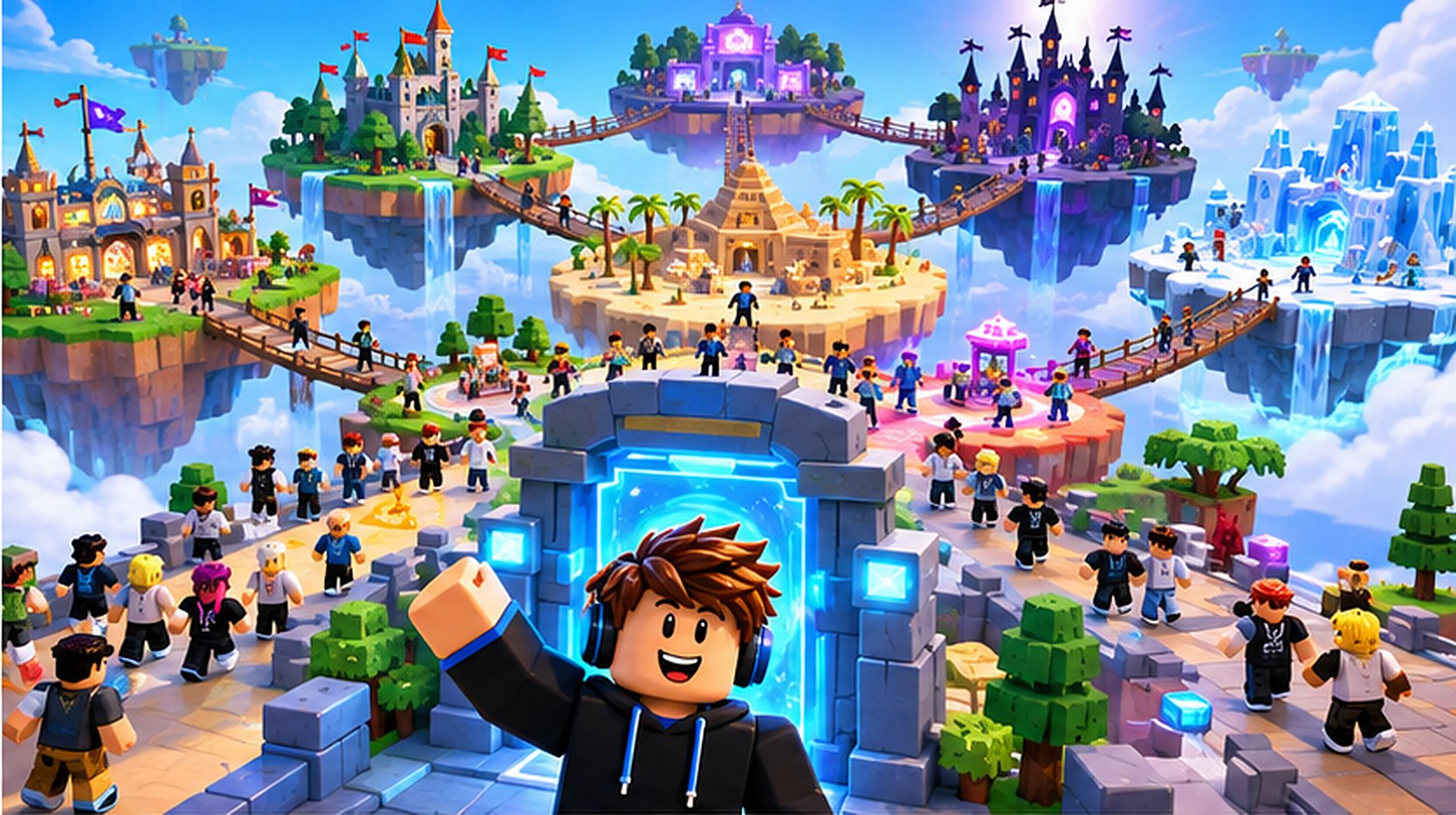
Roblox is often described as a game, but that description misses most of what happens on the platform. Roblox is a place where millions of experiences live side by side, each one built by a creator or a small team using the same free tools. Some of those experiences are obstacle courses that take two minutes to finish. Others are role-playing worlds with economies, jobs and neighborhoods that players return to every day.
The common thread is that nearly everything you can play on Roblox was made by someone in the community. The company provides the engine, the servers, the account system and the currency. Creators provide the ideas. That division of labor is the reason the platform keeps growing: there is always something new to try, and there is always room for one more experience.
For a beginner, the most useful way to think about Roblox is as three connected layers: the player app, the creator tools, and the economy that ties the two together.
Players, Creators and the Studio
The player side
Players download the Roblox app, create an account and browse experiences by category, popularity or friend activity. An avatar represents the player across every experience, which is why clothing and accessories matter so much to the community. Many players never build anything and still spend years on the platform, moving between worlds the way other people move between apps.
The creator side
Creators use Roblox Studio, a free desktop program, to design experiences. Studio includes a 3D editor, a scripting language called Luau, a library of models and sounds, and a one-click publish button. You do not need to pay to use it, and you do not need to apply. Any account can open Studio and start building within minutes.
The bridge between them
When a creator publishes an experience, it appears on the platform immediately. Players can find it through search, through the creator’s profile or through links shared on social media. The creator can watch visits, play time and reviews from a dashboard, make changes in Studio and publish an update the same day. That short feedback loop is what makes Roblox feel different from traditional game development, where a release might take years.
How Robux Fits Into the Platform
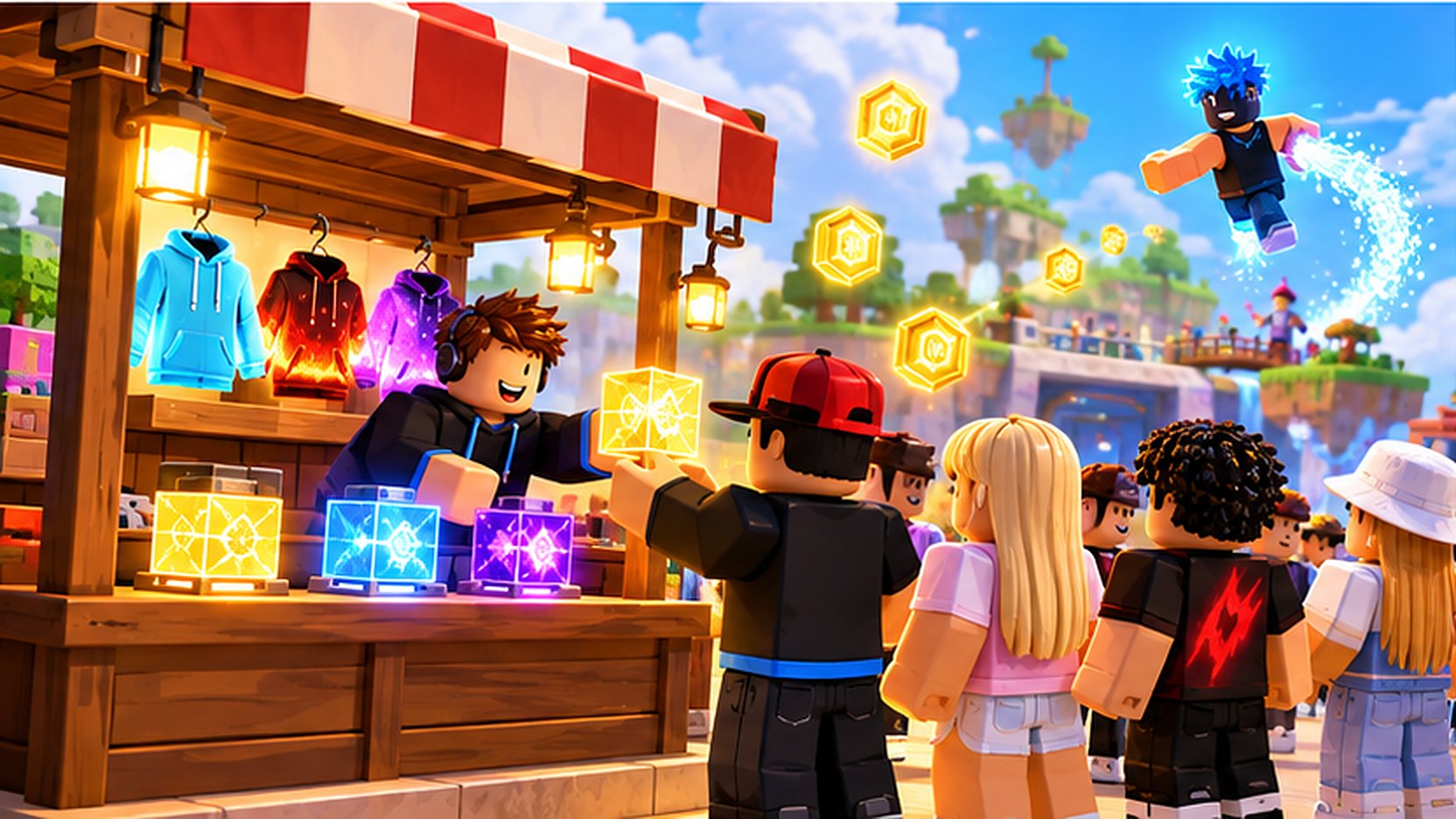
Robux is the currency that moves through all of this. Players buy Robux with real money and spend it on avatar items, game passes and in-experience purchases. When a player spends Robux inside an experience, a share of that amount is credited to the creator of that experience.
It is important to be precise here, because a lot of misleading content exists around this topic. There is no legitimate way to receive Robux for free in exchange for completing surveys, entering codes on third-party websites or sharing account details. Those offers are scams, and Roblox itself warns players about them. The legitimate paths to Robux are buying it, receiving it as a gift card, or earning it as a creator through the platform’s own programs.
Creators who accumulate Robux can spend it on the platform or, once they meet the eligibility requirements, exchange a portion for real money through the Developer Exchange program. The thresholds and rules for that program are published by Roblox and change over time, so always check the official documentation before planning around it.
Building a Presence as a New Creator
A presence on Roblox is simply the sum of what people can find when they look you up: your experiences, your profile, your group and the items you have published. Building it is less about a single viral hit and more about a repeatable routine.
1. Pick one small idea and finish it
New creators often start with a huge concept and never publish. A finished obstacle course with ten levels will teach you more than an unfinished open world with a hundred planned features. Choose something you can complete in a weekend, publish it, and treat it as your first lesson rather than your masterpiece.
2. Publish early and update often
Roblox rewards activity. Experiences that receive regular updates tend to keep players longer, and players notice when a creator is paying attention. A small update every week beats a large one every three months.
3. Watch what players actually do
The creator dashboard shows where players spend time and where they leave. If most players quit on the second level, that level has a problem. Fixing the spots where people get stuck is usually worth more than adding new content.
4. Make your profile and group look intentional
A clear name, a simple icon and a one-line description help players recognize you across experiences. A group lets you publish under a shared brand and, later, invite collaborators. Neither takes more than an hour to set up.
5. Learn one new Studio skill at a time
Studio is deep. Trying to learn modeling, scripting, animation and user interface design at the same time leads to frustration. Pick the one skill your current project needs most, learn enough to ship, and move to the next one on the next project.
Mistakes That Slow Beginners Down
- Copying a popular experience too closely. Players already have the original. A twist on a familiar format works better than a clone.
- Adding purchases before the experience is fun. Monetization only works when players want to stay. Build the loop first.
- Ignoring the rules. Roblox has community standards and moderation. Experiences that break them are removed, and repeated violations affect the account.
- Chasing shortcuts. Any website promising free Robux, instant visits or paid reviews is a risk to your account and your reputation.
- Working alone for too long. Developer forums, Studio tutorials and community groups exist for a reason. Asking a question can save a week of guessing.
Where to Go From Here
If you are a player curious about creating, open Roblox Studio and follow one of the official starter tutorials. If you have already built something, publish it, watch the numbers for a week and make one change based on what you see. The creators who build a lasting presence on Roblox are rarely the ones with the best first idea. They are the ones who kept publishing.
This article is for informational purposes only. It is not affiliated with, endorsed by, or sponsored by Roblox Corporation. Program rules, eligibility requirements and platform features are set by Roblox and may change at any time.

Linda Carter
Linda Carter is a writer and expert known for producing clear, engaging, and easy-to-understand content. With extensive experience in guiding people as they pursue their goals, she shares valuable insights and practical advice. Her mission is to help readers make informed choices and achieve meaningful progress.