
The Revolution of Smart Cities: How Technology is Reshaping Urbanism
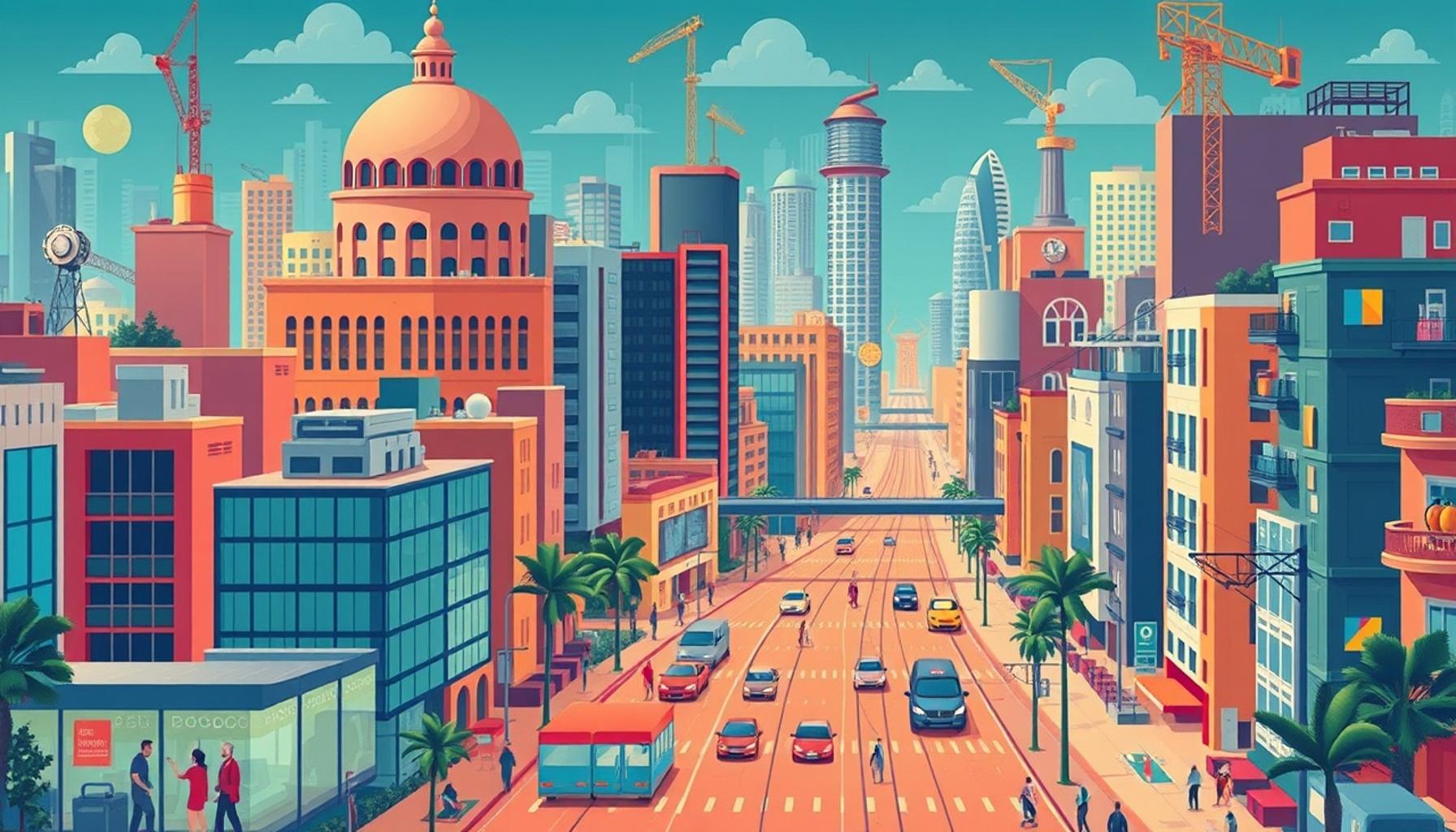
Understanding the Smart City Revolution
As urban populations continue to swell, cities are evolving at an unprecedented pace. The blending of modern technology with city planning is pushing the boundaries of how we perceive urban life. This transformation, often referred to as the smart city revolution, is enhancing the way we live, work, and interact within our communities.
Smart cities leverage technology to improve urban living, focusing on sustainability and efficiency. This innovative approach incorporates various aspects of daily life, aiming to create an environment where residents benefit not only from technological advancements but also from improved quality of life. Key features include:
- Intelligent Transportation Systems: These systems utilize real-time data and communication technologies to monitor and manage transportation networks. For example, cities can implement smart traffic lights that adapt to traffic flow, reducing congestion and enabling smoother travel. In Los Angeles, such systems have led to noticeable drops in travel time during peak hours.
- Smart Energy Grids: By integrating renewable energy sources and advanced management systems, smart energy grids can also enable more efficient power distribution. This helps lower energy costs and promotes sustainable usage. In practice, New York City is transitioning towards a smart grid that not only modernizes energy delivery but also allows residents to track their energy consumption patterns through mobile applications.
- Connected Infrastructure: This includes a network of sensors embedded in city infrastructure, which monitor everything from street conditions to waste management. For instance, smart bins equipped with sensors in San Francisco alert waste management teams when they are full, optimizing collection routes and reducing unnecessary trips.
Examples of smart city initiatives are sprouting across the United States, each uniquely tailored to address specific urban challenges. Innovations include:
- San Francisco’s waste management program: This initiative employs smart bins that use sensors to monitor waste levels. This not only allows for more efficient collection routes but also enhances recycling efforts by providing data on waste trends.
- New York’s Vision Zero: Aimed at eliminating traffic deaths, this initiative utilizes technology to enhance road safety. Features include improvements in traffic light timing and real-time monitoring of vehicle speeds, ultimately ensuring safer streets for pedestrians and cyclists alike.
- Chicago’s Array of Things: This project establishes a network of sensors across the city to collect real-time data related to the urban environment, such as air quality and temperature. Such information can inform city planners and residents about public health and environmental conditions.
These initiatives demonstrate that technology can effectively address urban challenges, creating more livable and sustainable environments. As we delve deeper into this topic, we will explore how these innovations are reshaping urbanism for future generations, leading to cities that are not only smarter but also more resilient and responsive to the needs of their citizens.
DISCOVER MORE: Click here to learn about market analysis and economic crises
The Building Blocks of Smart Cities
At the heart of the smart city revolution lies a diverse array of technologies that serve to enhance the way urban spaces function. Cities are not just adding gadgets to their infrastructure; they are rethinking their entire operational models based on data-driven insights. Understanding the fundamental components of smart cities is crucial in grasping their transformative potential.
Key Components of Smart Cities
Smart cities incorporate numerous technologies to create a more interconnected, responsive, and efficient urban environment. Some of the core components include:
- Internet of Things (IoT): IoT plays a pivotal role in smart cities, where everyday objects are embedded with sensors, software, and other technologies that enable them to connect and exchange data. For instance, IoT-enabled streetlights can adjust their brightness based on surrounding light levels, leading to energy savings.
- Big Data Analytics: As urban areas generate vast amounts of data daily, analytics tools become essential for interpreting this information. Cities can track patterns in traffic, air quality, and public health, allowing city planners to make informed decisions. For example, New York City uses analytics to optimize public transport schedules based on demand data.
- Smart Water Management: Effective water management is crucial for sustainability in urban areas. Smart systems can monitor water usage and quality in real time, helping to detect leaks and prevent wastage. Cities like Los Angeles are incorporating technology to improve water conservation efforts, particularly in drought-stricken areas.
- Public Wi-Fi and Connectivity: A critical component of smart cities is accessible, free Wi-Fi. Providing residents and visitors with internet access fosters connectivity and enables the use of smart applications in daily life. For example, cities like San Francisco have rolled out extensive public Wi-Fi networks that enhance access to information and resources.
These components work together synergistically, creating a framework where technology and urban life intersect. Each element contributes to a vision of a city that adapts flexibly to the needs of its residents, promoting sustainability, efficiency, and overall quality of life.
Moreover, the integration of these technologies often leads to collaborative initiatives between public and private sectors. For instance, city governments may partner with tech companies to develop innovative solutions tailored to local issues. By fostering such collaborations, smart cities can leverage the expertise and technological prowess of private organizations, advancing their infrastructure more rapidly and effectively.
As we continue to explore this topic, it becomes increasingly clear that the smart city revolution is not merely about technology for its own sake. It is about reimagining urban spaces that prioritize human-centric design, sustainability, and resilience against future challenges. Ultimately, it highlights a shift towards cities that are responsive to the dynamic needs of their communities, preparing them for the complexities of modern urban life.
DIVE DEEPER: Click here to discover sustainable investment strategies
Enhancing Urban Mobility and Accessibility
In smart cities, mobility and transportation are being revolutionized through advanced technologies that promote seamless movement for people and goods. Urban mobility is often one of the biggest challenges faced by cities, with traffic congestion and accessibility issues impacting the quality of life for residents. However, smart solutions are increasingly addressing these concerns by integrating technology into transportation frameworks.
Smart Transportation Systems
One of the pillars of urban mobility in smart cities is the implementation of smart transportation systems. These systems employ a variety of tools, such as real-time traffic monitoring and predictive analytics, to optimize travel routes and reduce congestion. For instance, cities like Los Angeles are utilizing adaptive traffic signal technology that adjusts green light timings based on vehicular flow, enabling smoother traffic movement through busy intersections.
- Mobility as a Service (MaaS): MaaS is a concept that integrates various transportation services into a single accessible platform. Users can plan, book, and pay for multiple modes of transportation—be it public transit, car-sharing, or ride-hailing—through a single application. This approach simplifies urban mobility and encourages the use of public transportation. Cities such as Helsinki have successfully implemented MaaS, significantly reducing reliance on personal vehicles.
- Electric and Autonomous Vehicles: The widespread adoption of electric vehicles (EVs) is crucial in smart cities as they contribute to reducing air pollution. Additionally, autonomous vehicles are emerging as a technological marvel that can transform transportation. Cities such as San Francisco are testing self-driving cars in specific areas, paving the way for a future where public and private transport systems are operated entirely by AI.
- Bicycle and Pedestrian Infrastructure: Smart cities prioritize creating an inclusive environment for cyclists and pedestrians. Cities like Copenhagen have invested in extensive bike lanes and smart bike-sharing systems that encourage eco-friendly transportation. Integration of IoT sensors can provide real-time data on bike availability and safety conditions, enhancing overall user experience.
Advanced mobile applications further exemplify the relationship between technology and urban mobility. Apps like Waze and Google Maps leverage real-time traffic data and user feedback to suggest the quickest routes or alternative ways to navigate congested areas. This information-sharing helps to alleviate traffic challenges and improve commuting experiences.
Enhancing Accessibility for All
Smart cities are also focused on making urban spaces more accessible, ensuring that transportation services cater to all demographics, including individuals with disabilities. Technologies such as digital wayfinding applications can guide visually impaired users through public transit systems, while real-time information screens at transit stations provide essential updates for everyone. Smart regulations that mandate accessibility features in new public transport projects ensure that inclusion is a priority, rather than an afterthought.
Furthermore, data collected from transportation systems can inform policymakers about mobility patterns and areas needing improvements. This approach enables cities to design infrastructure and services that prioritize the needs of the community, making it easier for individuals to navigate their urban environment.
Ultimately, smart mobility solutions are instrumental in creating interconnected communities. By deploying technology to enhance urban transportation and promote inclusivity, smart cities not only improve everyday commutes but also support sustainable growth and enhance the overall quality of life for urban residents.
DISCOVER MORE: Click here to learn how to choose the perfect credit card
Conclusion
As we navigate the profound transformation of urban environments, it becomes increasingly evident that smart cities are at the forefront of a revolutionary shift in urbanism. By integrating advanced technology into essential infrastructure and services, these cities address longstanding challenges such as traffic congestion, environmental concerns, and social inclusivity. The adoption of smart transportation systems not only optimizes mobility but also fosters a better connection among residents and their built environment.
From Mobility as a Service platforms that streamline transportation options to the deployment of electric and autonomous vehicles, smart cities are embracing innovation to enhance the commuting experience. Moreover, with a commitment to accessibility, urban spaces are becoming more navigable for individuals of all demographics, including those with disabilities. This focus on inclusivity is critical, as it ensures that technological advancements benefit all residents and create equitable opportunities.
Looking ahead, it is clear that the framework of smart cities is still evolving. The continual integration of data-driven insights and feedback from the community will guide future developments, making urban living even more sustainable, efficient, and enjoyable. By leveraging technology to reshape urbanism, we have the opportunity to create vibrant, resilient communities that not only meet the needs of today but also pave the way for a hopeful future. Ultimately, the revolution of smart cities symbolizes our collective commitment to building smarter, more connected urban landscapes that enhance the quality of life for everyone.

Linda Carter
Linda Carter is a writer and expert known for producing clear, engaging, and easy-to-understand content. With extensive experience in guiding people as they pursue their goals, she shares valuable insights and practical advice. Her mission is to help readers make informed choices and achieve meaningful progress.