The Evolution of Credit Cards in Canada: Trends and Innovations for the Future
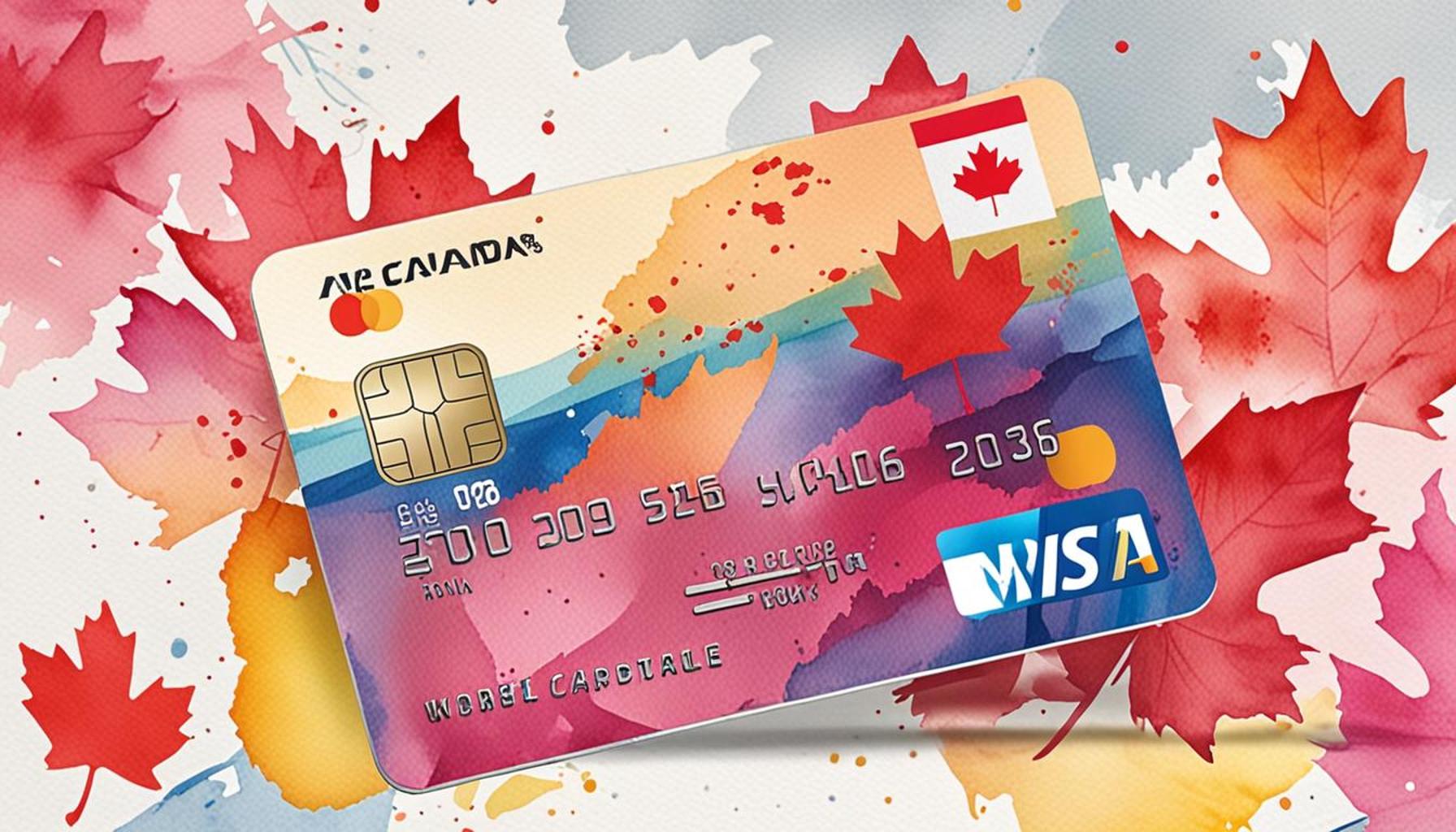
The landscape of credit cards in Canada has undergone significant transformation over the past few decades. As financial technology continues to advance, Canadian consumers are witnessing a shift toward more sophisticated and user-friendly credit card solutions. Key developments have influenced this evolution, shaping the way Canadians manage their finances.
Historical Context
Initially introduced in the mid-20th century, credit cards gained popularity due to their convenience and promise of credit. The first charge cards were issued in Canada during the late 1950s, primarily designed for affluent consumers. Over the decades, these financial instruments have evolved dramatically. Today, their journey can be summarized by several pivotal changes:
- The introduction of rewards programs that incentivize spending. For instance, many Canadian credit cards now offer points that can be redeemed for travel, cashback, or merchandise. Programs such as Aeroplan or Scene+ have become quite popular, allowing consumers to benefit from their everyday purchases.
- Technological advancements such as contactless payments and mobile wallets. The advent of near-field communication (NFC) technology allows consumers to make quick payments using their smartphones or debit/credit cards simply by tapping at payment terminals. This has not only expedited transactions but also enhanced consumer convenience, especially in a fast-paced retail environment.
- Enhanced security features, including chip technology and biometric authentication. The implementation of EMV chip cards has significantly reduced counterfeit fraud, and many institutions are exploring biometric solutions, such as fingerprint or facial recognition, as a future security measure. These innovations provide consumers with peace of mind and greater protection against unauthorized use.
Current Trends and Innovations
Today’s credit card offerings are more diverse than ever, catering to a wide range of consumer needs. Some notable trends include:
- Sustainability initiatives, with eco-friendly card materials. Many credit card issuers are now providing cards made from recycled materials and promoting environmentally conscious practices, appealing to a growing demographic of eco-aware consumers.
- Digital banking integration allowing seamless management through apps. Modern credit cards often come with dedicated mobile applications that enable users to track their spending, set budgets, and make payments effortlessly. Services like these empower Canadians to take control of their financial health.
- Flexible payment options that adapt to consumer spending habits. Innovative repayment plans, such as buy now, pay later (BNPL) services, allow consumers to make purchases with the option to finance them over time, alleviating immediate financial pressures.
As we look toward the future, understanding these trends is essential for consumers and financial institutions alike. Analyzing the implications of these innovations will provide insight into the credit landscape that lies ahead for Canadians. With the ongoing evolution in credit card technology, financial literacy and adaptability will become increasingly critical for consumers navigating the intricacies of modern finance.
Current Trends and Innovations
Today’s credit card offerings in Canada feature an extensive array of attributes aimed at fulfilling the continually changing needs and expectations of consumers. Financial institutions remain at the forefront of innovation, striving to boost user experience, enhance security measures, and introduce sustainable practices within their product portfolios. Several key trends are currently influencing the credit card landscape in Canada, each demonstrating the ongoing evolution of how consumers engage with financial products.
- Sustainability initiatives: A growing emphasis on environmental responsibility has led credit card issuers to implement eco-friendly practices. For example, many financial institutions are now offering credit cards crafted from recycled or biodegradable materials, attracting environmentally conscious Canadians who wish to align their financial decisions with their sustainability values. Additionally, some issuers actively support green initiatives by donating a portion of their profits to environmental charities and organizations dedicated to conservation efforts. This trend not only enhances consumers’ connection to their financial choices but also promotes a culture of responsibility.
- Digital banking integration: The rapid expansion of the fintech sector has facilitated a harmonious integration of credit cards with digital banking services. This evolution is characterized by the advent of dedicated mobile applications, allowing users to oversee their financial activities with remarkable ease. For instance, many banks provide features that enable Canadians to monitor spending patterns, establish financial goals, and automate bill payments, all from their mobile devices. Such accessible tools encourage users to adopt healthier spending habits, thereby empowering them to take charge of their financial health.
- Flexible payment options: In a financial climate where affordability is paramount, innovative repayment models have gained traction. Services like buy now, pay later (BNPL) are increasingly popular, offering consumers the ability to make necessary purchases while deferring payments over an extended period. This model not only alleviates immediate financial strains but also augments purchasing power, helping individuals manage larger expenses effectively. For instance, Canadians can purchase essential goods or luxury items without the immediate financial burden, allowing them to maintain overall financial stability and avoid high-interest debt.
- Enhanced security features: The prevalence of digital transactions has accentuated concerns surrounding security and fraud. In response, credit card companies are implementing advanced protective measures such as EMV chip technology, which makes it increasingly difficult for fraudsters to clone cards. Furthermore, many institutions have adopted multi-factor authentication processes to verify user identities, adding an additional layer of security. Emerging biometric solutions, including fingerprint scanning and facial recognition technology, are also being tested to further fortify protections against unauthorized access, ensuring heightened safety for Canadian consumers.
As the credit card landscape in Canada progresses, it is critical for both consumers and financial institutions to stay informed about the latest trends and innovations. Understanding these developments is essential for fostering a culture of financial literacy, granting individuals the confidence to make informed decisions regarding their credit management. The intersection of convenience, security, and sustainability will undoubtedly dictate the future trajectory of credit card usage, creating both opportunities and challenges for Canadian consumers and financial institutions navigating this dynamic environment collaboratively.
Future Directions in Credit Card Technology
As the financial landscape continues to develop, several emerging technologies are set to redefine the way consumers interact with credit cards in Canada. Market analysts project that innovations in payment methods and customer engagement will play a pivotal role in shaping future credit card offerings, ensuring that financial institutions remain competitive and responsive to consumer needs. Some notable advancements on the horizon include:
- Contactless payment solutions: The shift towards contactless payment methods has gained substantial momentum in Canada, particularly accelerated by the COVID-19 pandemic. Credit card providers have been enhancing their offerings with Near Field Communication (NFC) technology, allowing consumers to make quick and convenient transactions without physical contact. This technology not only improves the user experience but also aligns with public health recommendations, fostering a more hygienic payment environment.
- Artificial Intelligence and Machine Learning: The integration of AI and machine learning algorithms is becoming increasingly prevalent in credit card management. These technologies can analyze transaction data to provide personalized recommendations for spending, budgeting, and rewards accumulation. Moreover, AI-driven fraud detection systems can identify irregular spending patterns and potential threats in real time, enabling issuers to proactively mitigate risks and enhance consumer trust.
- Cryptocurrency integration: As cryptocurrencies continue to gain acceptance among consumers, financial institutions in Canada are exploring options for integrating digital currencies with traditional credit card systems. Some issuers are starting to allow consumers to make purchases directly with cryptocurrencies or earn crypto rewards on their transactions. This integration can attract a new segment of tech-savvy customers who value diversification in their financial portfolios.
- Subscription-based credit models: The emergence of subscription services has led to a reevaluation of credit card offerings. Some financial institutions are beginning to experiment with subscription-based models that provide users with predetermined credit limits and benefits in exchange for a monthly fee. This approach can make credit more accessible to those looking to manage their finances without traditional interest rates and fees, thus appealing to a broader demographic.
Continuously enhancing customer experience remains paramount. Issuers are investing in user-friendly interfaces and customizable features, allowing Canadians to tailor their credit card services to fit their lifestyles. For example, clients can choose their billing dates, set transaction alerts, or modify spending limits with a few taps on their mobile devices, reinforcing a culture of financial control and engagement.
Moreover, as consumers become increasingly concerned about data privacy, the credit card industry is placing greater emphasis on transparent processes and robust data protection measures. Financial institutions will need to ensure compliance with evolving regulations around data security while maintaining open communication with customers regarding how their information is used.
The transition to a more innovative and consumer-centric era in credit card offerings necessitates that both issuers and consumers adapt to these emerging trends. As technological advancements continue to unfold, the landscape of credit cards in Canada will become even more intertwined with digital experiences, ultimately reshaping financial habits and consumer expectations in the years to come.
Conclusion
The evolution of credit cards in Canada reflects a broader transformation in consumer expectations and technological advancements that continue to shape the financial sector. As we have seen, the introduction of contactless payment solutions, the utilization of Artificial Intelligence for personalized experiences, and the potential integration of cryptocurrencies are just a few of the significant trends that are likely to redefine the landscape of credit cards in the coming years. Furthermore, the emergence of subscription-based credit models illustrates a shift towards more flexible and accessible financial options for consumers.
Looking ahead, it is crucial for financial institutions in Canada to prioritize customer experience and data privacy in their product offerings. As consumers become more tech-savvy and demand greater control over their financial interactions, issuers must invest in intuitive interfaces and robust security measures. This commitment to innovation not only enhances consumer trust but also ensures compliance with evolving regulatory standards concerning data protection.
In summary, the future of credit cards in Canada is poised to be characterized by increased adaptability, personalization, and digital integration. As both financial institutions and consumers navigate this dynamic environment, an ongoing dialogue about the roles of technology and security will remain essential. The implications of these trends extend far beyond mere transactions; they will systematically influence consumer behavior, financial literacy, and the overall approach to credit management in Canada, ultimately ushering in a new era of financial empowerment and responsibility.
Related posts:
How Credit Cards Influence Canadian Consumer Behavior
Credit Cards and Rewards: How to Maximize Benefits without Spending More
The Benefits and Challenges of Credit Card Rewards Programs in Canada
The Pros and Cons of Using Credit Cards in Daily Life
Tips for Managing Credit Card Debt and Building a Healthy Credit History
Guide How to Apply for Scotia Bank Plan Loan Easily Fast

Linda Carter is a writer and financial expert specializing in personal finance and financial planning. With extensive experience helping individuals achieve financial stability and make informed decisions, Linda shares her knowledge on the our platform. Her goal is to empower readers with practical advice and strategies for financial success.