How to Open an Online Bank Account: A Step-by-Step Guide for Canadians

The Convenience of Online Banking
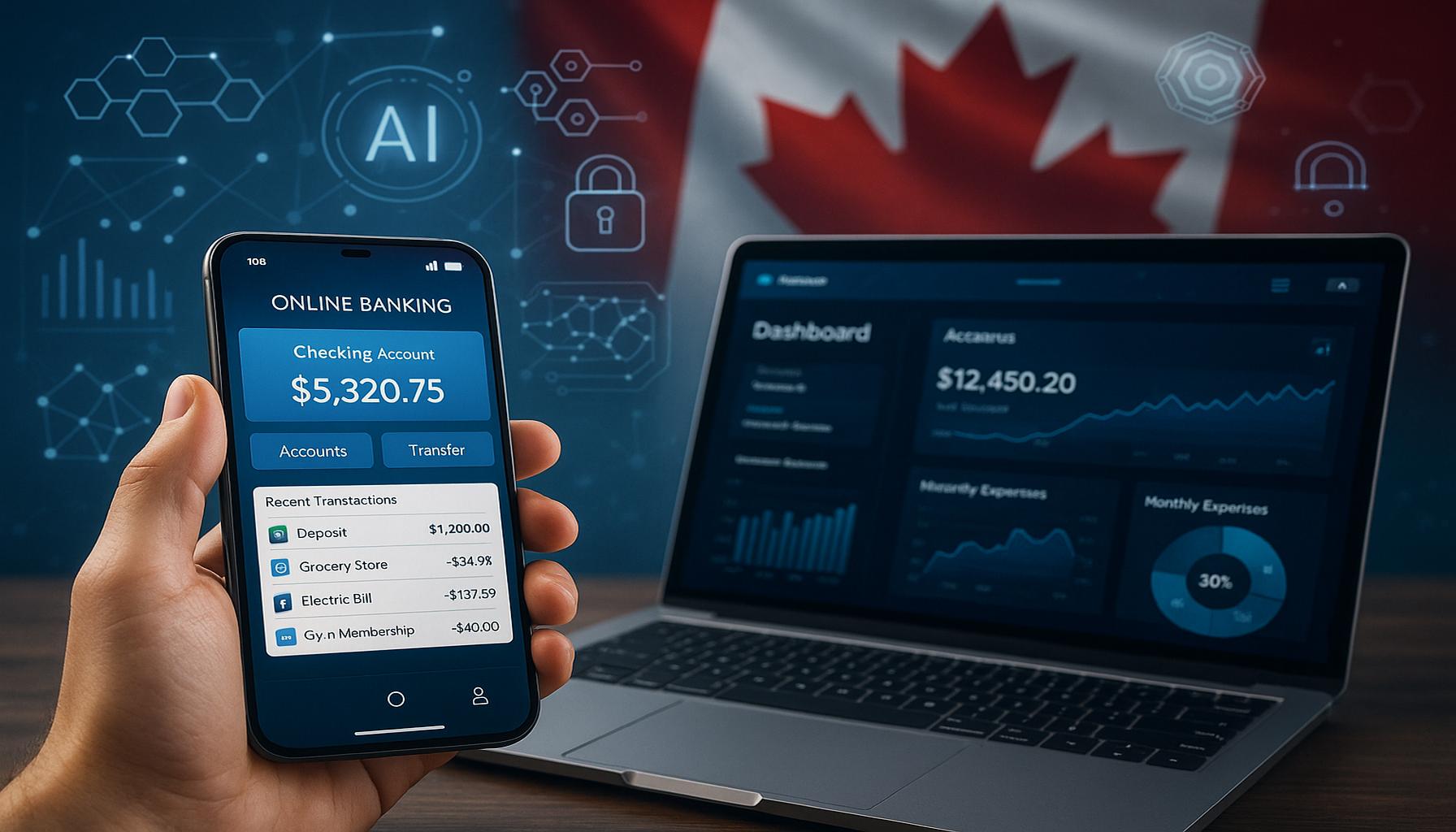
In today’s digital age, managing your finances online has transformed the way Canadians handle their banking needs. As technology advances, more individuals are turning to online bank accounts due to the unmatched convenience they offer. Picture being able to check your bank balance or transfer funds while sitting comfortably on your couch, or while commuting on the subway. This flexibility is not only increasingly popular but also a vital aspect of modern financial management.
Recognizing the Benefits
Understanding the advantages of online banking is essential for making an informed decision. Some of the key features you might experience include:
- 24/7 access: One of the primary benefits is the ability to access your account 24 hours a day, seven days a week. This means whether it is early in the morning or late at night, you can check your balance, review transactions, or even send money to friends and family at any time that suits you. For example, if you need to settle a dinner bill while out with friends, you can easily use your banking app to transfer funds instantly.
- Lower fees: Many online banks have lower operational costs compared to traditional banks, which often translates into lower transaction fees for you. This can include reduced fees for everyday transactions, no monthly maintenance fees, and even higher interest rates on savings accounts. For Canadian residents, this could mean saving significantly over time, especially if often maintain a balance below minimum requirements at traditional banks.
- Easy integration: Most online banks offer seamless connections with popular budgeting apps and financial tools. Use applications like Mint or YNAB (You Need a Budget) to track your spending habits effortlessly. These tools can help you budget more effectively and hold you accountable for your financial goals.
Preparing to Open Your Online Bank Account
Before embarking on the process of opening an online bank account, it’s crucial to gather the necessary information to ensure a smooth experience. You will typically need:
- Your Social Insurance Number (SIN): This is a unique identifier linked to your financial activities in Canada and is essential for the application process.
- Personal identification: Valid forms of ID like a driver’s license or a passport are necessary to verify your identity.
- Proof of address: Documents such as a utility bill or a lease agreement are likely required to confirm where you reside.
Following this guide will empower you to navigate the world of online banking confidently. Let’s get started on your journey toward simpler, more efficient banking solutions tailored specifically for Canadians. By embracing the tools and resources available, you can take control of your financial future today!
Understanding the Application Process
Now that you have all the necessary information prepared, it’s time to dive into the actual process of opening your online bank account. While it may seem daunting, most online banks have streamlined their application process to make it as simple as possible. Here’s a step-by-step guide on how to navigate this process effectively.
Step 1: Research Online Banks
The first step in opening an online bank account is to research various online banks available in Canada. Each bank offers different features, so it’s important to compare options and identify the one that aligns best with your financial needs. Here are some factors to consider:
- Account types: Determine what type of account you wish to open. Whether it’s a personal checking account, savings account, or even a joint account, knowing what you need will direct your search.
- Fees and interest rates: Review the fees associated with the accounts, such as monthly maintenance fees or transaction fees. Consider the interest rates for savings accounts, as higher rates can help you grow your savings more quickly.
- Customer service: Investigate the customer service offerings of each bank. Good customer service can make a significant difference when you encounter issues or need assistance. Look for banks that provide multiple contact channels, such as live chat, phone support, and email.
Step 2: Complete the Application
Once you have chosen your online bank, proceed to their website to start the application process. Typically, this involves filling out an online application form where you’ll provide your personal information, including:
- Your full name
- Your date of birth
- Your email address and phone number
- Your Social Insurance Number (SIN)
- Your address
Ensure that all information is entered accurately, as any discrepancies may delay the processing of your application. Some banks may also require you to create a username and password during this step, which will allow you to access your account in the future.
Step 3: Verify Your Identity
After submitting your application, the bank will require identity verification to comply with regulatory standards. This process may involve uploading photos of your identification documents, like your driver’s license or passport, along with proof of your address, such as a recent utility bill. Keep in mind that some banks may offer options for video verification or in-person meetings to facilitate this process.
Once your identity is verified and the bank approves your application, you will receive an email notification confirming your new account details. You are now one step closer to enjoying the convenience of online banking!
Step 4: Set Up Your Online Banking Profile
After receiving confirmation, the last step before you start using your account is to set up your online banking profile. This may include choosing security questions, confirming your password, and setting up features like two-factor authentication to add an extra layer of security. Taking these proactive steps will help safeguard your finances and ensure a secure banking experience.
By following these steps, you’ll successfully open your online bank account, setting you up for a more efficient way to manage your finances from the comfort of your home or on-the-go. Now that you’re well-informed, take the plunge into the world of online banking and enjoy the benefits it offers!
Maximizing Your Online Banking Experience
Congratulations on successfully opening your online bank account! Now that you’ve navigated the application process, it’s important to know how to make the most out of your new banking experience. Here are several steps you can take to ensure that you are utilizing your online banking features effectively and securely.
Step 5: Familiarize Yourself with the Online Banking Interface
Every online bank will have its unique interface, so take some time to explore what your chosen bank offers. Navigate through the different sections of your online banking dashboard, which typically includes:
- Account Overview: This area shows you balances, recent transactions, and account performance at a glance.
- Transactions: View your transaction history, categorize spending, and understand where your money is going.
- Transfer Functions: Look for features that allow you to transfer funds between accounts, send money to other users, or make bill payments.
- Budgeting Tools: Some online banks offer budgeting tools and expense tracking to help you manage your finances better.
Understanding these features can help you maximize your banking experience, allowing you more control over your financial well-being.
Step 6: Set Up Automatic Payments and Transfers
One of the most convenient features of online banking is the ability to set up automatic payments and transfers. This can be particularly beneficial for managing recurring bills or saving towards financial goals. To get started, follow these steps:
- Identify Regular Bills: List out any monthly bills, such as utilities, phone services, or subscriptions you want to automate.
- Schedule Payments: Use your online banking portal to set up scheduled payments, determining the amount and frequency that works best for you.
- Create Savings Goals: Consider setting up automatic transfers to your savings account to help you reach goals, whether they are for vacation, emergency funds, or larger purchases.
By automating these functions, you can ensure timely payments and grow your savings effortlessly without manual intervention.
Step 7: Embrace Mobile Banking Features
Many online banks offer mobile banking applications, allowing you to manage your finances on-the-go. Consider downloading your bank’s app and take advantage of features such as:
- Mobile Check Deposit: Instead of visiting a bank branch, you can deposit checks using your smartphone by snapping a photo of the check.
- Transaction Notifications: Enable alerts for transactions to stay informed and monitor your account activity closely.
- Budgeting Tools: Access budgeting and analysis tools directly via the app to keep track of expenses while you are away from your computer.
Leveraging mobile banking can enhance your control over your finances, enabling quick access and management whenever and wherever you need it.
Step 8: Prioritize Security Measures
While online banking is convenient, it’s crucial to prioritize your account’s security. Follow these recommendations to protect your financial information:
- Strong Passwords: Create a robust password using a mix of letters, numbers, and special characters. Avoid using easily guessable information like birthdays or names.
- Two-Factor Authentication: If your online bank offers two-factor authentication, enable it to provide an additional layer of security for your account.
- Monitor Account Activity: Regularly check your account statements for unauthorized transactions and report any suspicious activity immediately.
By implementing these security measures, you’ll help safeguard your funds and personal information, allowing you to bank with peace of mind.
Conclusion
In conclusion, opening an online bank account in Canada is a straightforward process that can greatly enhance your banking experience. With the steps outlined in this guide, you should now feel confident to navigate through the application process and utilize your online banking services effectively. From familiarizing yourself with the interface to setting up automatic payments and embracing mobile banking features, each step is designed to empower you to manage your finances with ease and efficiency.
It’s important to remember that while the convenience of online banking is undoubtedly attractive, prioritizing the security of your personal and financial information is equally crucial. By creating strong passwords, enabling two-factor authentication, and actively monitoring your account activity, you can enjoy your online banking experience with peace of mind.
As you embark on this digital banking journey, take the time to explore customized features that your bank might offer, such as budgeting tools and personalized financial advice. These can further help you achieve your financial goals, whether saving for a home, planning for retirement, or managing day-to-day expenses.
Ultimately, opening an online bank account is just the first step towards taking control of your finances. Embrace the opportunities that come with it, and remember that both knowledge and forethought will aid you in making the best financial decisions for your future. Happy banking!

Linda Carter
Linda Carter is a writer and financial expert specializing in personal finance and financial planning. With extensive experience helping individuals achieve financial stability and make informed decisions, Linda shares her knowledge on the our platform. Her goal is to empower readers with practical advice and strategies for financial success.