
Comparison between traditional banks and online banks: which is the better option for Canadians?
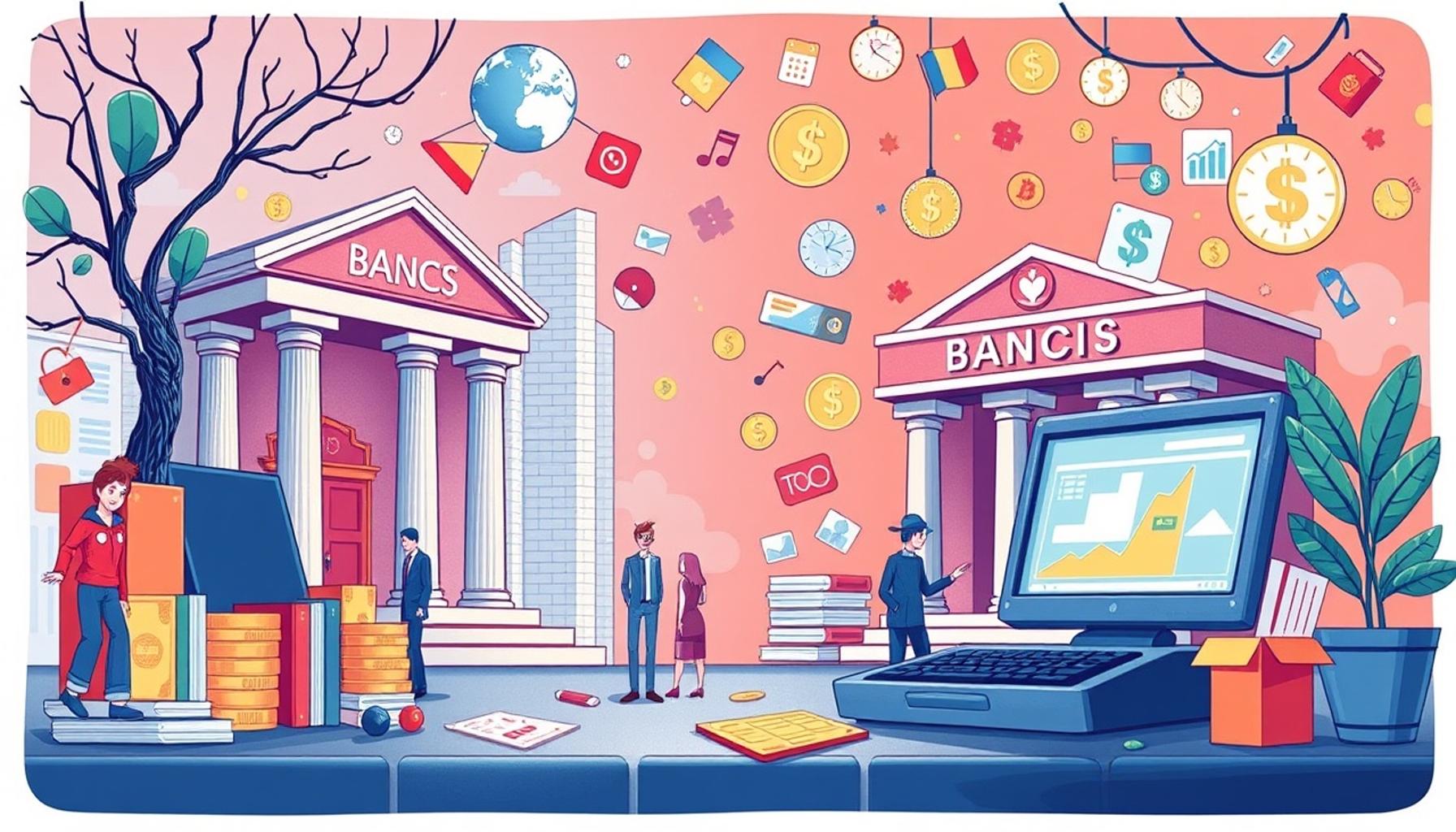
Understanding the Differences Between Traditional and Online Banks
Canadians today are often faced with the significant choice of selecting either a traditional bank or an online bank for their financial needs. Both options have distinctive benefits and challenges, which deserve careful consideration before making a decision that could impact your financial health.
Benefits of Traditional Banks
Traditional banks have long been a cornerstone of the Canadian banking system. They offer a personal touch that many people value. For instance, having local branches allows customers to speak directly with bank representatives who can assist with a variety of financial needs.
- In-person branches: Physical locations enable customers to receive personalized service, such as discussing loan options face-to-face or addressing concerns about account management.
- Variety of services: Traditional banks are often a one-stop-shop for comprehensive financial services, providing everything from residential mortgages to investment portfolio management, and even insurance products.
- Established reputation: Many of these banks, like the Royal Bank of Canada, have been trusted for generations, providing a sense of security that comes from a long-standing reputation in the community.
Advantages of Online Banks
In contrast, online banks have surged in popularity, particularly among younger and tech-savvy Canadians. These institutions leverage technology to provide banking solutions that cater to the fast-paced lifestyle of today’s consumers.
- Lower fees: Because online banks do not have the overhead costs associated with physical branches, they often pass these savings on to customers through lower monthly fees or higher interest rates on savings accounts.
- Convenience: With online banking, customers can access their accounts anytime and anywhere, whether they are at home, at work, or traveling abroad. This flexibility is particularly appealing for those with busy schedules.
- High-interest rates: Online banks typically offer more attractive interest rates on savings accounts compared to traditional banks, making them ideal for savers looking to maximize their earnings.
Factors to Consider
As you evaluate your options between traditional and online banks, several factors should be taken into account. Customer service is paramount—while traditional banks provide in-person assistance, online banks often have 24/7 customer support via chat or phone, which can be beneficial for urgent inquiries.
Another crucial aspect is security. Both traditional and online banks utilize advanced cybersecurity measures to protect customer information. However, understanding the specific security protocols of each type is vital. For instance, online banks often have robust encryption practices and may even offer fraud detection services to secure your digital transactions.
Finally, consider how technology integration can enhance your banking experience. Many traditional banks have developed mobile apps to offer online services, while online banks leverage cutting-edge technology to streamline processes. This is particularly relevant for tech-savvy customers who want seamless digital banking experiences.
Ultimately, the ideal choice will vary based on individual financial requirements and preferences. Take the time to assess the specific features of both traditional and online banking to find the best fit for your financial journey.
Weighing the Pros and Cons
When deciding between traditional banks and online banks, it is essential to weigh the pros and cons of each option carefully. Understanding the unique characteristics of both can help Canadians make a choice that aligns with their financial lifestyle and needs.
Accessibility and Convenience
One of the most significant advantages of online banks is their exceptional accessibility. With the ability to manage finances from anywhere with an internet connection, online banking appeals to those who are often on the go or prefer the ease of digital transactions. A user can deposit checks, transfer funds, and pay bills with just a few clicks, all without the need to visit a branch.
- 24/7 service: Online banks are typically available around the clock, making it easy for customers to access their accounts and perform transactions whenever it is convenient for them.
- No geographical limitations: With online banking, users are not restricted by their physical location. This benefit is particularly useful for Canadians living in remote areas, where traditional bank branches may be limited or non-existent.
- Paperless transactions: Online banks promote a digital-first approach, reducing the need for paper-based statements and processes, which can be more environmentally friendly.
On the other hand, traditional banks offer their customers a more personal experience. Many Canadians value the opportunity to speak with a representative in person, especially when dealing with complex issues or major financial decisions.
Interest Rates and Fees
Another area where traditional and online banks differ significantly is in interest rates and fees. Online banks often provide higher interest rates on savings accounts due to lower operational costs. They may also offer reduced fees, making them a more attractive option for those looking to save money on banking fees.
Conversely, traditional banks may charge higher monthly fees for services, but they also provide a full range of financial products, such as specialized loans and investment opportunities. Understanding the cost-benefit analysis in relation to your financial goals is crucial when making a choice.
Building Relationships
For many Canadians, establishing a relationship with a trusted financial institution is an essential aspect of banking. Traditional banks excel at fostering these connections through personalized customer service. Regular face-to-face interactions can build trust and allow customers to feel more comfortable discussing their financial situations and future plans.
In contrast, online banks can foster relationships through technology, utilizing chatbots and virtual helpers that assist customers remotely. However, the experience may not be as personal, which may make some customers feel disconnected.
As Canadians contemplate their banking options, acknowledging the importance of these factors—accessibility, fees, and customer relationships—can significantly influence their overall satisfaction in choosing either a traditional or an online bank. Each option will cater differently to individual preferences, so it is necessary to evaluate personal priorities thoroughly.
Security and Trustworthiness
When evaluating banking options, security is undoubtedly a top concern for Canadians. Both traditional and online banks have invested significantly in protective measures, but the methods they use may vary. Traditional banks often benefit from established reputations built over decades. Many Canadians feel more secure knowing their money is stored in a brick-and-mortar institution regulated by the Canadian government.
On the other hand, online banks also implement numerous security protocols, including advanced encryption technologies and two-factor authentication systems, to safeguard personal information. Many online banking platforms receive positive ratings for their security measures, making them trustworthy options for tech-savvy users comfortable with digital finance. Nevertheless, it is important for users to familiarize themselves with the security features in place and the bank’s policy on fraud protection.
Customer Support Options
Customer support plays an essential role in the overall banking experience. Traditional banks provide a variety of avenues for customer service, including phone support, online chat, and in-person assistance. For customers who prefer direct interaction, walking into a branch to discuss concerns or receive help can be immensely reassuring.
Online banks, though they may have a limited number of physical locations, often offer robust customer support services via live chat, emails, and even phone calls during extended hours. Some online banks have made significant strides toward providing 24/7 support, ensuring that customers can receive assistance whenever needed. However, customers should consider how quickly they can reach a live person and how effectively their issues can be resolved without face-to-face interaction.
Financial Products and Services
Another factor to consider is the range of financial products and services offered by each banking model. Traditional banks usually have a comprehensive portfolio that can include everything from personal loans and mortgages to investment accounts and wealth management services. This can make them more suited to customers looking for a “one-stop shop” for all their financial needs.
Conversely, online banks tend to focus on offering simpler, more streamlined products such as checking and savings accounts with competitive interest rates. Some online banks have begun expanding their offerings to include investment services and lines of credit, but customers looking for specialized services might find the traditional banks more appealing.
Technological Innovations
While traditional banks have embraced technology, online banks are often at the forefront of banking innovations. Many online banks offer features like budgeting tools, personalized financial advice, and advanced mobile applications that allow account holders to improve their financial literacy and manage their money efficiently. For instance, Canadians who utilize budgeting apps can sync them directly with their online banking accounts, helping track spending habits more effectively.
This shift towards technology also means that online banks are often quicker to adopt emerging banking trends, such as customizable notifications for account activity or artificial intelligence (AI)-driven insights on spending behavior. For individuals who are enthusiastic about using technology to enhance their banking experience, online banks often provide a more engaging platform.
As Canadians weigh these various aspects, they should consider their unique preferences for security, customer support, financial products, and technological advancements. The right banking option will depend not just on personal financial needs, but also on individual comfort levels with technology and traditional banking practices.
Conclusion
In conclusion, both traditional banks and online banks offer distinct advantages and disadvantages that cater to different needs and preferences among Canadians. Traditional banks provide the stability and familiarity that many individuals value, offering a wide range of services and the comfort of face-to-face interactions. Their established presence allows for trust and reliability, which can be critical when it comes to handling finances.
Conversely, online banks present modern solutions with competitive interest rates and technological innovations that appeal to a growing segment of the population. Their focus on streamlined digital services and 24/7 customer support can greatly enhance the banking experience for tech-savvy Canadians looking for efficiency and ease of use. Additionally, online banks continuously adapt to new technologies, ensuring they remain at the cutting edge of banking practices.
Ultimately, the choice between traditional and online banks lies in personal comfort and preferences. Canadians should assess their unique financial needs, whether they prioritize personalized service, a variety of products, or the convenience of managing their finances online. It may also be beneficial to explore hybrid solutions, where individuals maintain accounts with both traditional and online banks to take advantage of the strengths from each model. By making informed decisions based on their financial habits and goals, Canadians can choose the banking option that best aligns with their lifestyle and aspirations.

Linda Carter
Linda Carter is a writer and financial expert specializing in personal finance and financial planning. With extensive experience helping individuals achieve financial stability and make informed decisions, Linda shares her knowledge on the our platform. Her goal is to empower readers with practical advice and strategies for financial success.