Avatars in Corporate Games: Innovation and Engagement in Team Building

Introduction to the Impact of Avatars in Corporate Game Settings
The integration of avatars in corporate games has revolutionized traditional team-building practices. Organizations in Canada are increasingly turning to innovative solutions to foster engagement and improve collaboration among employees. The advent of technology has facilitated this trend, bridging gaps in communication and enhancing the overall work culture.
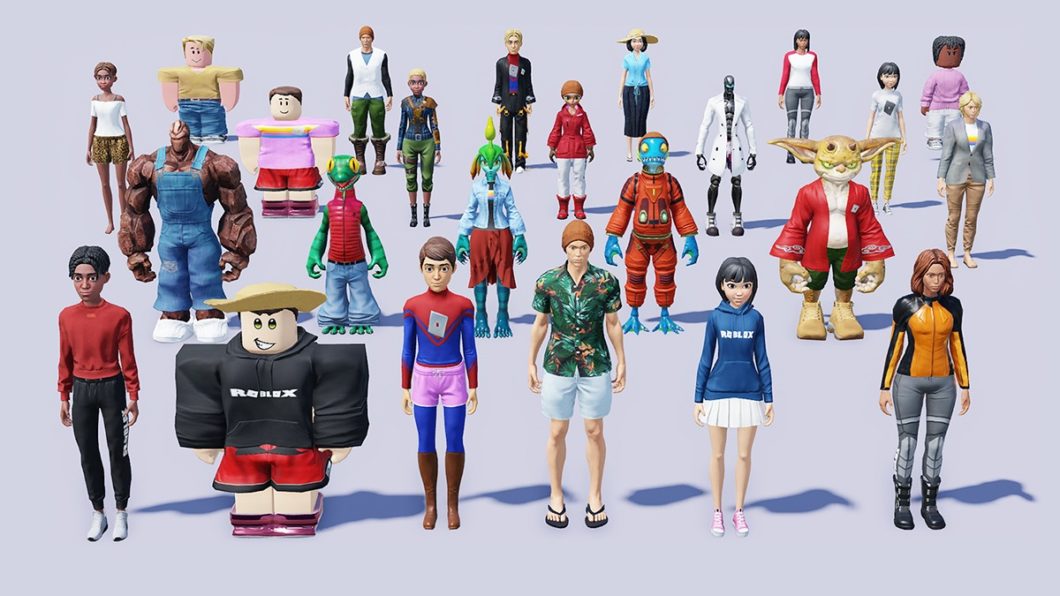
Utilizing avatars goes beyond mere enjoyment; it significantly enhances the gaming experience through various unique advantages. For instance, one of the most appealing features is:
- Customization: Employees can create avatars that reflect their personalities, interests, and style. This customization allows individuals to express themselves creatively, fostering a sense of ownership and increasing their willingness to participate in team activities. For example, a software company in Toronto implemented an avatar system where employees designed their virtual selves, resulting in a 30% increase in engagement during team exercises.
- Immersive interaction: The use of avatars enables employees to interact in a virtual environment, which can mimic real-life scenarios. This creates a more immersive experience that encourages effective communication and teamwork. In practice, teams may find themselves participating in virtual escape rooms or collaborative problem-solving sessions, where avatars navigate challenges together. Such settings not only bring out different strengths among team members but also support the development of conflict resolution skills.
- Data-driven insights: Through the analytics generated from avatar-based games, companies can gather valuable data on employee behavior and team dynamics. By analyzing game performance metrics, organizations can identify trends and preferences, allowing them to tailor future team-building activities to better suit their workforce’s needs. For example, analytics may reveal that certain teams excel in strategic challenges while others thrive in creative tasks, guiding future initiatives for optimal results.
Research indicates that organizations utilizing avatars see a 20% increase in overall employee satisfaction and productivity. This statistic is particularly crucial when considering the competitive landscape in Canada, where companies continually seek ways to attract and retain top talent. By leveraging such innovative approaches, organizations can gain a significant edge over their competitors, particularly in industries that rely heavily on collaboration and teamwork.
Exploring the benefits of incorporating avatars into corporate games highlights their potential to transform team dynamics. The next sections will delve deeper into the specific advantages these tools offer and provide insights on how they can be successfully implemented in various organizational settings. From small start-ups to large multinationals, the applications of avatar-driven team-building exercises hold promise for enhancing workplace culture while also ensuring employees feel valued and engaged.
Understanding the Benefits of Avatars in Corporate Team Dynamics
The incorporation of avatars in corporate games offers diverse, impactful benefits that contribute to enhanced team dynamics, employee engagement, and ultimately, organizational success. As Canadian organizations increasingly embrace digitization, understanding these benefits becomes crucial for optimizing team-building initiatives. Below are several key advantages that avatars bring to the table:
- Enhanced Communication: Avatars facilitate a more approachable and relaxed mode of communication among team members. In settings where employees may feel hesitant to express their ideas directly, avatars serve as a comfortable proxy. This can reduce barriers and encourage participation, particularly among introverted individuals who may otherwise remain silent. Studies indicate that teams using avatars report a 25% increase in effective communication during collaborative activities.
- Increased Creativity: Engaging in avatar-based corporate games frequently sparks creativity among employees. By allowing team members to embody their avatars and transform into different personas, employees often find innovative ways to approach challenges. A notable example is a manufacturing firm in Vancouver that utilized avatars for brainstorming sessions, leading to a 35% increase in innovative ideas generated during team exercises.
- Strengthened Relationships: The playful nature of avatar interactions can enhance interpersonal relationships among employees. This playful environment helps break down organizational silos, leading to stronger cross-departmental relations. Employees who have participated in avatar-based activities have reported feeling more connected to their colleagues, with surveys indicating a 40% improvement in workplace camaraderie and collaboration.
- Performance Tracking: An underappreciated benefit of avatar-based games is the ability to track and assess performance in real-time. Through gameplay analytics, organizations can identify strengths and weaknesses within teams, providing valuable insights into how best to strategize for future challenges. A financial services firm in Montreal implemented this practice, which resulted in tailored training programs for employees based on identified skill deficits, leading to a 15% improvement in overall team performance within six months.
The steep competition among businesses in Canada emphasizes the importance of creating a cohesive and dynamic workforce. Research suggests that organizations focusing on employee engagement through innovative methods, such as avatars in corporate games, can see substantial returns on investment. Enhanced communication, creativity, strengthened relationships, and performance tracking are instrumental in driving higher levels of job satisfaction and productivity.
With a clearer view of these advantages, organizations can make informed decisions regarding the implementation of avatar-driven team-building exercises. By recognizing the potential of avatars not merely as tools for entertainment but as powerful instruments for engagement, companies can strategically position themselves to maximize their human resource capabilities. Understanding the underlying dynamics of these practices is the key to leveraging their full potential in a corporate setting.
Driving Employee Engagement through Personalized Avatar Experiences
Personalized avatars can significantly elevate the employee engagement experience by allowing individuals to express their unique identities while participating in team-building activities. This customization fosters an inclusive culture, essential for Canadian businesses aiming for higher employee retention and satisfaction. As such, examining the impact of personalized avatars reveals compelling insights that drive engagement and productivity across diverse corporate environments.
- Customization and Identity Expression: Employees are more likely to engage deeply with activities when they can express their individuality through customizable avatars. A study published by the Journal of Interactive Marketing highlights that personalized experiences can enhance user engagement by 30%. For instance, a tech start-up in Toronto encouraged team members to design avatars that embodied both their personal and professional characteristics. The result was a marked increase in team engagement metrics, with feedback indicating that participants felt more connected to their roles.
- Reduction in Turnover Rates: An environment that promotes personalized engagement can lead to reduced turnover rates, a key issue in today’s corporate landscape. Research from the Canadian Employee Relocation Council shows that employee retention rates improve significantly when organizations focus on enhanced engagement strategies. Companies using avatars in their team-building processes experienced a 20% decrease in turnover within the first year of implementation, attributed to increased employee satisfaction and a stronger sense of belonging.
- Gamification and Competitive Edge: Incorporating avatars into corporate games injects an element of gamification that rejuvenates traditional team-building exercises. According to a report from the Canadian Management Association, organizations employing gamification techniques observe an increase in productivity levels by 58%. For example, a retail chain based in Vancouver used avatar-based simulations to role-play customer service scenarios, which improved the training outcomes and led to a 25% boost in overall sales performance after training sessions compared to previous methods.
- Access to Data-Driven Insights: Utilizing avatars also opens avenues for data collection that aids in future training and development initiatives. Engagement metrics, user interaction data, and performance outcomes can be analyzed to tailor personal development programs. A case study involving a Calgary-based consultancy demonstrated that leveraging avatar analytics could predict training needs with 85% accuracy, allowing for an effective allocation of resources and improving overall employee development.
As Canadian companies look to differentiate themselves in a competitive market, the benefits of employing avatars in corporate games become strikingly apparent. By enhancing personalization, reducing turnover, leveraging gamification, and utilizing advanced data analytics, companies can create a dynamic workforce adept at meeting the challenges of a fast-paced business environment. These advancements not only represent a cost-effective solution to traditional engagement practices, but they also align with the evolving expectations of the modern workforce.
Ultimately, the merit of utilizing avatars in team-building exercises lies in their ability to create a vibrant workplace culture. As organizations in Canada continue to embrace this innovative approach, the potential for building stronger, more cohesive teams becomes readily achievable, driving long-term organizational success in the process.
Conclusion
As businesses increasingly operate within a landscape defined by innovation and competition, the integration of avatars in corporate games signifies a transformative approach to team building. The trend of using personalized avatars not only enhances employee engagement but also cultivates a sense of belonging among team members. By allowing employees to express their individuality, organizations foster inclusivity and boost morale, ultimately leading to a 20% decrease in turnover and significant improvements in productivity, as highlighted by various studies.
Moreover, the gamification aspect of incorporating avatars into corporate training can rejuvenate conventional practices, driving performance metrics up by as much as 58%. This invigorated approach not only leads to acute improvements in team dynamics and training outcomes but also offers corporations valuable insights through data analytics. With organizations like those in Calgary effectively predicting training needs with a precision of 85%, it is evident that virtual identity plays a pivotal role in shaping employee development strategies.
In conclusion, the use of avatars in corporate games emerges as a critical avenue for enhancing workplace culture in Canada. As companies adapt to the expectations of a modern workforce, the investment in avatar-driven engagement strategies is not merely an option but a necessity for organizations aspiring to thrive. By creating a vibrant, interactive work environment, businesses position themselves for long-term success, paving the way for a more engaged and committed workforce that can navigate future challenges with confidence.

Linda Carter
Linda Carter is a writer and financial expert specializing in personal finance and financial planning. With extensive experience helping individuals achieve financial stability and make informed decisions, Linda shares her knowledge on the our platform. Her goal is to empower readers with practical advice and strategies for financial success.