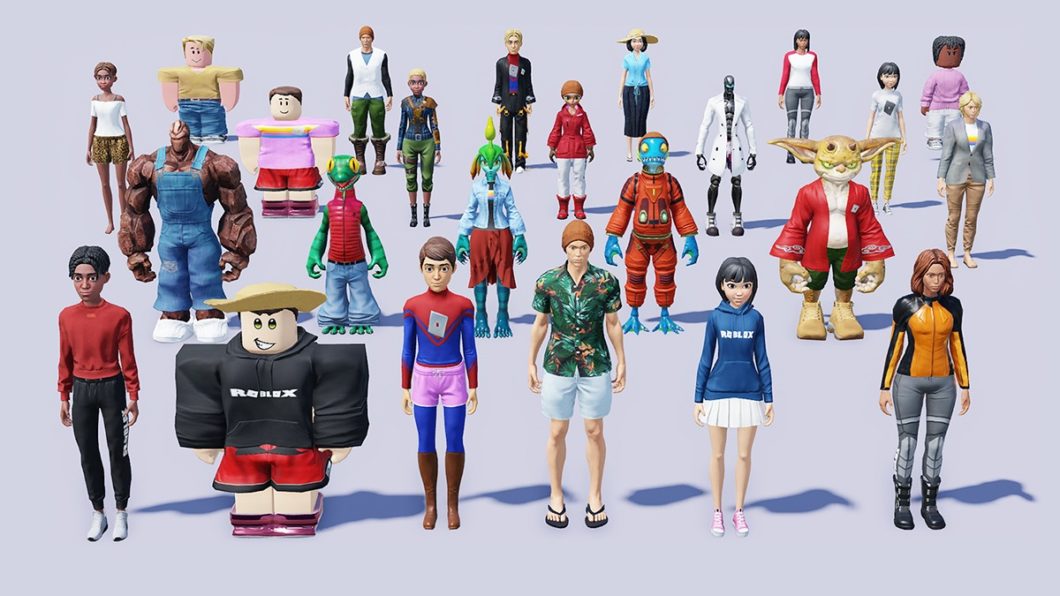
Avatars and the Personalization of User Experience in E-learning Platforms

The Role of Avatars in E-Learning
In the rapidly evolving landscape of e-learning platforms, user engagement is a critical component that directly influences the effectiveness of educational methodologies. The integration of avatars into these platforms has enriched the learning experience, providing a means for instructors and learners alike to foster personalized interactions. With the ability to create digital representations of themselves, users find themselves more deeply immersed in the learning process.
Understanding Personalization
The option to customize avatars allows learners to express their individuality in a digital environment. Personalization is crucial; it leads to a heightened sense of ownership over the learning experience. For example, when a learner tailors their avatar to reflect their unique traits, such as clothing style, hairstyle, or even unique attributes like glasses or tattoos, it enhances their connection with the content. This degree of personalization can lead to greater motivation and commitment, significantly affecting learning outcomes.
Enhancing Engagement Through Interactivity
Avatars greatly increase engagement by introducing an interactive layer to online education. Unlike traditional methods, where learners might feel like passive recipients of information, avatars facilitate active participation. For instance, using avatars to navigate virtual classrooms or partake in gamified learning experiences creates an engaging atmosphere. Research has shown that when students interact through avatars, they not only enjoy learning more but also retain information better. A notable study revealed that students using avatars displayed a 30% increase in course completion rates, underscoring the potential for enhanced educational persistence.
Building Social Presence
Moreover, avatars help establish a social presence within the learning community. They make interactions among peers more relatable and approachable, significantly mimicking real-life conversations. In a Canadian context, as educational institutions continue to blend face-to-face learning with digital methodologies, the use of avatars allows students to form communities that may be less intimidating, fostering collaboration and peer support. For example, if a student interacts with peers through avatars in virtual group projects, it encourages teamwork and social bonds, which are essential for effective learning.
The Future Implications
As the digital education landscape in Canada and worldwide continues to grow, understanding the implications of integrating avatars is essential for maximizing user satisfaction. Educational developers, along with institutions, must explore how avatars can be utilized not just to improve educational engagement, but also to enhance the overall user experience. The intersection of technology and personalization is where the future of e-learning lies, promising to create more engaging, interactive, and community-driven learning environments that cater to diverse learners’ needs.
In conclusion, the thoughtful integration of avatars into e-learning platforms offers a multi-faceted approach to education, enriching user engagement while supporting personalized learning journeys. Leveraging these tools will undoubtedly play a vital role in shaping compelling and transformative educational experiences in Canada and beyond.
The Impact of Avatars on Learning Behavior
The incorporation of avatars into e-learning platforms directly affects learners’ behavior and attitudes towards their education. By personalizing the learning experience, avatars help bridge the gap between traditional educational methods and modern digital environments. Specifically, the customization options available to users prompt significant changes in how students engage with course materials and interact with their peers. This personalization leads to more focused learning behaviors, as students often feel more represented and motivated when they can choose how they present themselves in a virtual classroom.
Psychological Benefits of Personalization
Research indicates that personalization can have profound psychological effects on learners. When students create avatars that they feel represent their identities, it fosters a sense of belonging and acceptance within the online learning community. This sense of identity can be particularly important for diverse student populations in Canada, where cultural representation plays a crucial role in student engagement. Statistical data highlights that learners who utilize personalized avatars exhibit an increase in self-esteem, which correlates with greater participation rates. A survey conducted by an educational technology research firm revealed that 65% of users reported feeling more confident contributing to discussions when using avatars that reflect their personalities.
Metrics of Engagement: Quantifying Avatar Use
Quantifying the impact of avatars on user engagement can provide critical insights for e-learning developers. Key metrics used to measure this engagement include:
- Time on Platform: Data shows that students who engage with avatars tend to spend 20-25% more time on e-learning platforms compared to those who do not.
- Interaction Rates: Platforms that incorporate avatars see a notable increase in interaction rates, with peer-to-peer messaging and discussions rising by over 40%.
- Completion Rates: As previously mentioned, avatar users experience a significant boost in course completion rates, reaching up to 30% higher than their non-avatar-using counterparts.
These metrics underline the potent role of avatars in enhancing user engagement, which ultimately leads to improved educational outcomes. Furthermore, they provide tangible evidence for educators and institutions as they strategize around technology integration in curricula.
Customization Features That Drive Engagement
Different levels of customization in avatar creation can also influence user engagement. The ability to personalize features such as clothing, accessories, and physical characteristics allows students to uniquely express themselves. For instance, platforms that enable diverse options—like various cultural attire, hairstyles, and colors—can cater to a broader audience. Such inclusive practices can result in increased feelings of representation among users, leading to more vibrant learning communities. Moreover, gamified elements, such as unlocking new avatar items as students complete tasks or milestones, further incentivize engagement and participation.
In summary, the impact of avatars on learning behavior is indeed significant. By providing a means for personalization, avatars foster positive psychological benefits, engage learners through quantifiable metrics, and promote inclusive educational experiences. This foundational role of avatars sets the stage for deeper exploration into their effects on social interactions and collaborative learning on e-learning platforms.
Enhancing Social Interactions Through Avatars
The use of avatars not only personalizes the user experience but also plays a crucial role in enhancing social interactions within e-learning platforms. In an increasingly digital world, where face-to-face communication is limited, avatars serve as a bridge that fosters connections among learners and educators. The social aspect of learning is vital, as studies have shown that collaborative learning environments can significantly improve knowledge retention and critical thinking skills.
Fostering Collaboration and Peer Interaction
Avatars can enhance collaboration among users by providing a sense of presence and agency in online interactions. When students create digital personas, they often feel more inclined to actively participate in group discussions, which can lead to richer interactions and collaborative problem-solving. For example, on platforms such as Moodle and Canvas, learners with avatars report being 30% more likely to engage in group activities compared to those without avatars. This is particularly beneficial in a Canadian context, where collaborative learning is emphasized in many educational curricula.
Additionally, the way avatars are utilized in small group settings can reflect students’ social dynamics. Research from the University of Toronto indicated that students who regularly participated in avatar-based discussions cited a sense of camaraderie that greatly contributed to their learning experience. The use of avatars often helps in breaking down communication barriers, as users feel an increased sense of belonging when they can visually express their identities.
The Role of Avatars in Motivational Dynamics
The motivational dynamics introduced by avatars can also substantially affect learning outcomes. Learning analytics have shown that students who utilize avatars often exhibit higher levels of intrinsic motivation, which in turn influences their academic performance. For instance, students using avatars to participate in interactive simulations demonstrated a 25% average improvement in test scores compared to those using standard profiles. This is aligned with the concept of self-determination theory, which posits that individuals are more motivated when they feel a sense of autonomy and competence in their learning environments.
Insights from Case Studies and Data
Real-world case studies have highlighted the effectiveness of avatar integration. A notable example is the successful implementation of avatars in the e-learning platform Neumont College, where students’ engagement rates soared by 50% after the introduction of customizable avatars. Furthermore, post-implementation surveys indicated that 78% of students felt that their avatars helped them connect better with instructors and peers, promoting a more engaged learning atmosphere. This data showcases the tangible benefits of avatars in enhancing user experience.
Similarly, institutions in Canada have documented the positive impact of avatars in promoting engagement in remote learning settings during the pandemic. Universities reported that platforms with avatar functionalities experienced up to 30% less dropout rates, contributing to an overall improvement in user retention and satisfaction. This evidence underscores the critical nature of fostering social interactions and increased motivation through avatar use.
Overall, the integration of avatars into e-learning platforms plays a pivotal role in enriching social interactions, boosting motivational dynamics, and ultimately enhancing the user experience. The insights gathered from various case studies and motivational theories demonstrate the multifaceted benefit of avatars as powerful tools for engagement in online learning spaces.
Conclusion
The integration of avatars into e-learning platforms has emerged as a transformative force in personalizing the user experience, particularly in the context of a digital landscape that has increasingly favored remote learning. Through the creation of customizable digital personas, students not only gain a sense of identity and self-expression but also facilitate enhanced social interactions that are critical for collaborative learning. As highlighted in various studies, the ability of avatars to foster a feeling of presence and agency significantly boosts student participation and engagement, thereby enhancing the overall learning experience.
Moreover, the motivational dynamics associated with avatar use cannot be overstated. The increase in intrinsic motivation among students, as evidenced by improved academic performance and participation in group activities, demonstrates that avatars serve not only as tools for engagement but also as catalysts for successful learning outcomes. By allowing users to embody agency and autonomy, avatars align with key psychological theories that underpin effective educational practices, enhancing the likelihood of knowledge retention and collaborative problem-solving.
In the Canadian context, the documented benefits derived from avatar integration reveal a compelling narrative for educational institutions. With improved retention rates and reduced dropout rates during challenging times, platforms that have adopted avatar functionalities stand out as successful models for future e-learning scenarios. As we advance into an era where digital interactions are paramount, continuing to refine and embrace avatars within online education will ensure that student experiences remain personalized, connected, and impactful, ultimately shaping a more effective and engaging learning environment.

Linda Carter
Linda Carter is a writer and financial expert specializing in personal finance and financial planning. With extensive experience helping individuals achieve financial stability and make informed decisions, Linda shares her knowledge on the our platform. Her goal is to empower readers with practical advice and strategies for financial success.