The Pros and Cons of Using a Credit Card in Daily Life
Understanding the Benefits of Credit Cards
In the landscape of personal finance, credit cards stand out for their dual role as tools for convenience and potential rewards. The advent of modern financial products has made credit cards an integral aspect of many Canadians’ financial strategies, offering a means to enhance purchasing power while simultaneously needing careful management to avoid pitfalls.
Benefits of Using Credit Cards
One of the primary attractions of credit cards is their rewards programs. Numerous Canadian card issuers provide options that can yield significant benefits, such as cashback on purchases, points redeemable for travel rewards, or discounts on future shopping. For instance, with popular cards like the Scotiabank Gold American Express, Canadians can earn points for regular expenses—groceries, dining, and travel—which can then be converted into travel discounts or merchandise, effectively creating a reward system that motivates responsible spending.
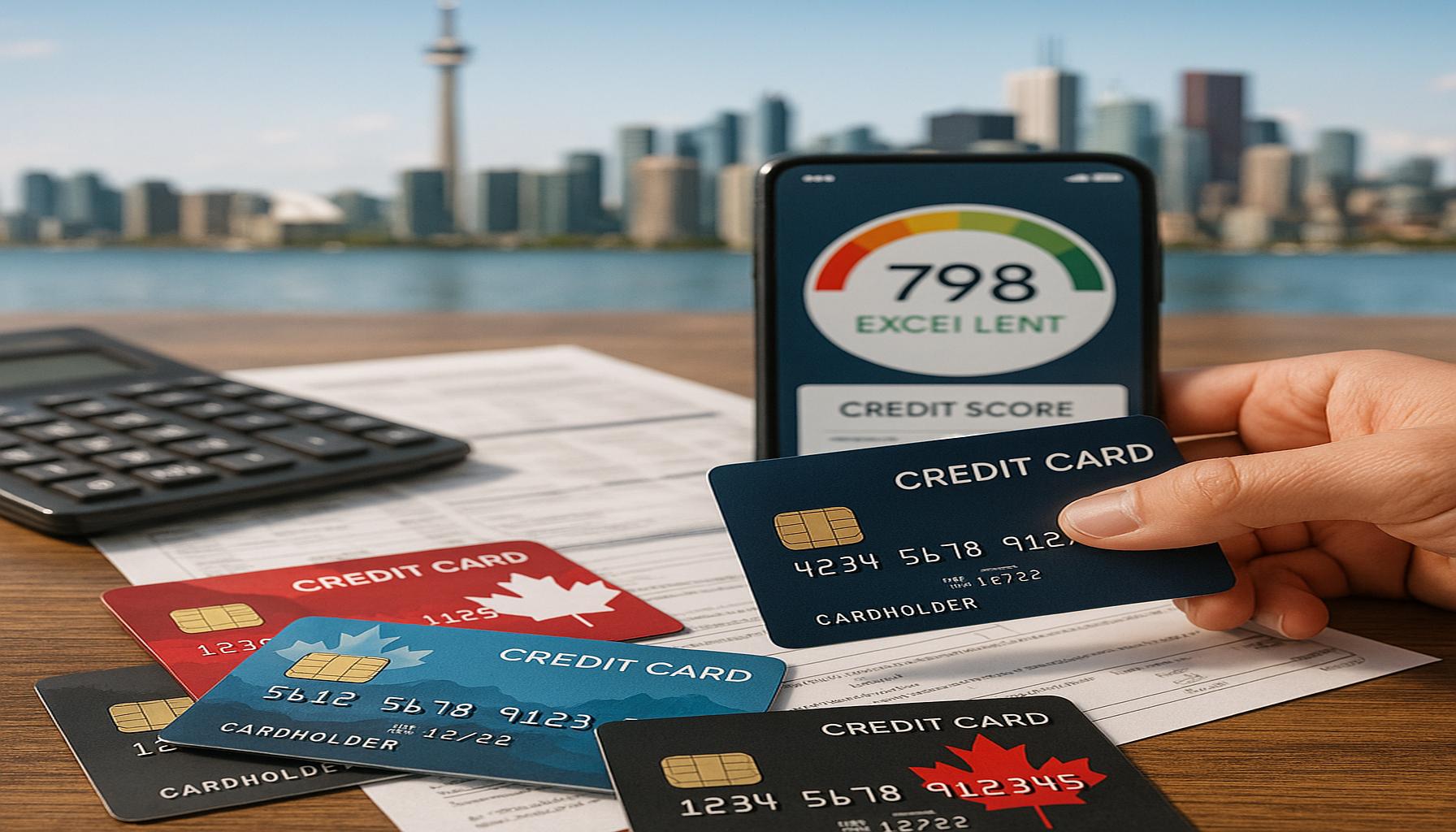
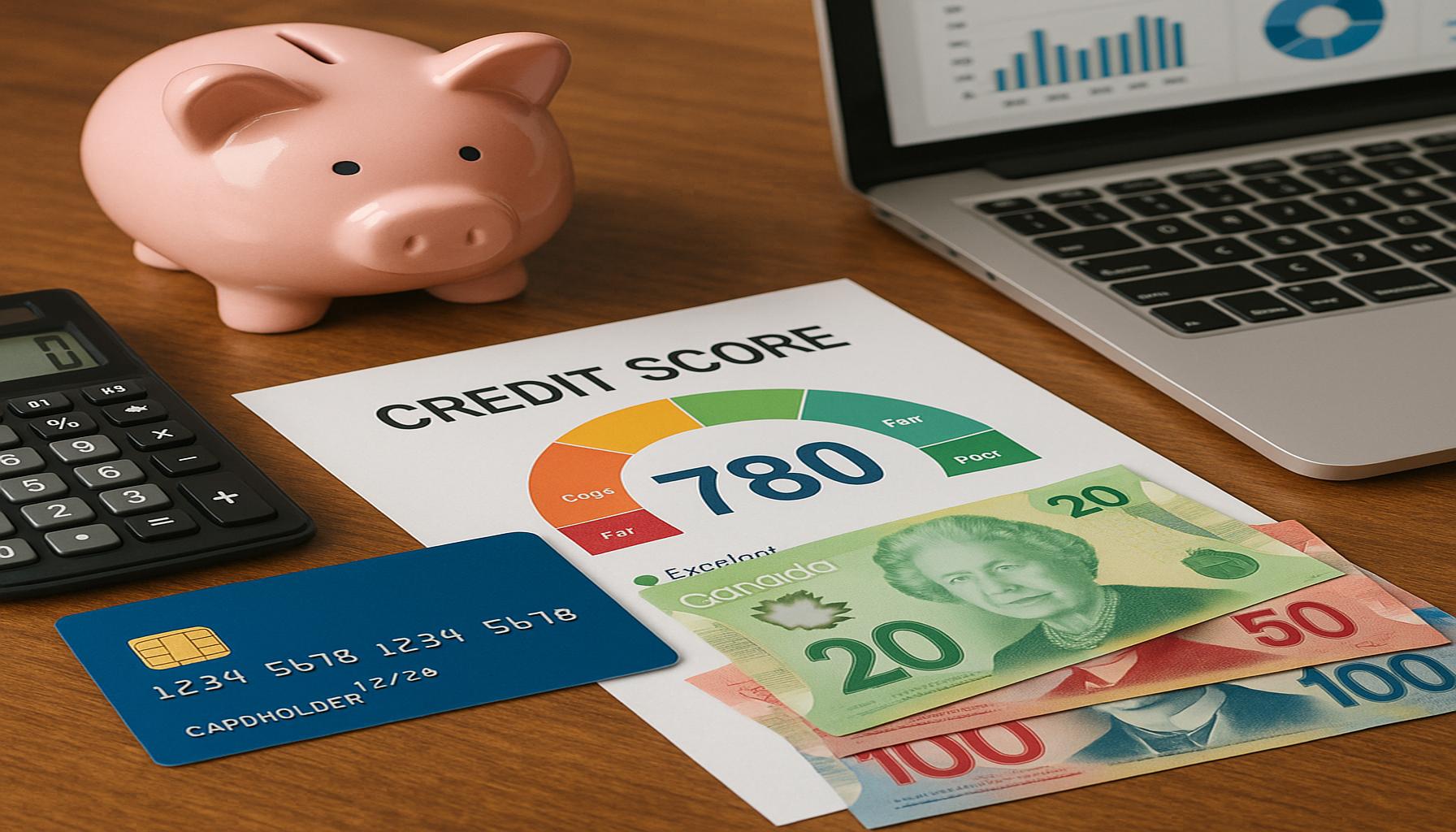
Another noteworthy advantage is building credit history. Utilizing a credit card wisely—obtaining one and making purchases that are consistently paid off on time—can foster a positive credit score. This is particularly important in Canada, where a strong credit score is crucial for future endeavors such as obtaining a mortgage, securing a loan, or even acquiring insurance. Regularly using a credit card and maintaining low balances also aids in establishing a good credit utilization ratio, which is a key factor creditors assess.
A credit card also acts as an emergency fund. In dire situations, such as an unexpected medical bill or car repair need, a credit card can provide immediate access to funds without needing to liquidate savings. This creates a buffer that can alleviate financial pressures during unforeseen circumstances, ensuring that one can handle urgent expenses without undue stress.
The Drawbacks of Credit Cards
Despite their attractiveness, it is essential to consider the significant drawbacks associated with credit card use. The potential for debt accumulation can be a severe concern. Canadians who rely heavily on credit cards may find themselves in a cycle of borrowing, especially if they fail to pay off their balances in full each month. Credit cards typically carry high-interest rates, which can turn manageable sums into overwhelming debt if not carefully monitored. For instance, carrying a balance on a card with an interest rate of 19.99% can lead to paying much more than the initial cost of a purchase if only minimum payments are made.
Add to that the risk of incurring fees and charges. Many cards come with annual fees which can diminish the net benefits of reward programs. Additionally, late payment fees can accumulate quickly, further compounding debt. This creates a scenario where the initial advantages of cashback or points can become counterproductive, leading consumers to owe more than they benefit from.
Finally, the impulse spending that credit cards can encourage is a real danger to financial health. The ease of swiping a card may lead some Canadians to spend beyond their means, creating a cycle of debt. To mitigate this risk, it’s essential for consumers to actively monitor their spending habits and create budgets that prioritize essential expenses, rather than indulging in unnecessary purchases due to the convenience of credit cards.
In conclusion, while credit cards offer significant advantages, understanding and addressing their inherent risks is vital. Canadians who navigate this landscape with awareness and diligence can use credit cards as effective financial tools, enhancing their purchasing power while maintaining their financial health.
The Advantages and Disadvantages of Credit Card Usage
The Benefits of Credit Cards
Credit cards are renowned for providing users with numerous benefits that extend beyond mere purchasing power. One of the most appealing aspects is the convenience they offer. For many Canadians, the ability to make instant payments without the need for cash or checks simplifies transactions, whether they are shopping in-store or online. This ease of use can also expedite the checkout process, saving time while enhancing the overall shopping experience.
Moreover, credit cards often come with additional protections that safeguard consumers against fraud or unauthorized transactions. Canadian credit card holders typically enjoy robust consumer protection rights that can help them dispute charges and recover lost funds, providing peace of mind in an increasingly digital shopping environment. For instance, if a cardholder notices a suspicious transaction, they can report it to their issuer, who may reverse the charge pending investigation, limiting the financial impact on the consumer.
Another significant advantage is the opportunity to access credit during times of need. For Canadians facing unexpected expenses, like major home repairs or emergency medical situations, having a credit card can serve as a financial lifeline. It allows individuals to cover urgent costs without depleting their savings. This added financial flexibility can be particularly beneficial for those who prefer to manage cash flow rather than use their personal savings.
- Rewards Programs: Credit cards often feature rewards systems that encourage spending by offering points, cashback, or travel incentives. These rewards can translate into tangible benefits, allowing cardholders to enjoy discounts or free travel once they have accumulated enough points.
- Building Credit History: Regular, responsible use of credit cards can help Canadians establish a credit history. Maintaining a low balance and making on-time payments signals to creditors that the individual is a trustworthy borrower, enhancing their creditworthiness for future loans.
- Emergency Buffer: Credit cards can provide immediate access to financing, offering a safety net in case of unanticipated expenses that might otherwise cause financial strain.
The Drawbacks of Credit Card Use
While the advantages of credit cards are compelling, it is essential to weigh these against the potential drawbacks that come with their use. A primary concern for many Canadians is the risk of debt accumulation. Since credit cards frequently have high-interest rates, failing to pay off the full balance can lead to escalating debt. For instance, individuals who only make minimum payments on a card with an interest rate of 19.99% might find that what they owe can grow exponentially over time, representing a severe financial burden.
Another critical issue is the potential for incurring fees and charges. Many credit cards in Canada happen to have annual fees, which can undermine the benefits of any cashback or rewards. Late payment fees can further exacerbate the situation, creating a cycle of debt. Such costs may ultimately diminish the value of the perks associated with credit card usage.
Finally, consumers must also consider the risk of impulse spending that credit cards can induce. The convenience of swiping a card can lead to expenditures that exceed one’s financial means, resulting in debt accumulation. To mitigate this risk, it is crucial for cardholders to implement sound budgeting practices and track their spending closely to prioritize essential expenses over discretionary purchases.
In summary, while credit cards provide many advantages, it is imperative to recognize these potential drawbacks. With effective management and awareness, Canadians can harness the benefits of credit cards while protecting themselves from the pitfalls they might present.
Understanding Credit Card Fees and Interest Rates
Credit Card Fees
In addition to the annual fees that some credit cards carry, Canadians should also be aware of a variety of additional charges that can impact their overall financial health. Transaction fees can occur when using a card internationally or for foreign currency purchases, which may result in extra costs that many users may not anticipate. For example, a credit card might charge a foreign transaction fee of 2.5% for purchases made outside of Canada, potentially making travel-related expenses significantly more expensive.
Furthermore, late payment fees can be a substantial drawback. These penalties not only increase the total cost of borrowing but can also negatively impact a user’s credit score. In Canada, late payment fees can range from $25 to $50, depending on the credit card issuer. Missing even a single payment can lead to long-term financial repercussions, including a lasting impact on one’s creditworthiness.
Interest Rates and Financial Implications
The interest rates associated with credit cards are another critical consideration. In Canada, the average interest rate on credit cards hovers around 19.99%, but this rate can vary significantly between different cards and consumers based on their credit score. Users who do not pay off their balances in full each month can quickly find themselves facing high-interest charges, making it challenging to pay down debt. Such financial strain is particularly troubling in a landscape where the cost of living is rising, and many Canadians are balancing multiple financial responsibilities.
It is essential to understand grace periods, which allow cardholders to avoid interest charges if they pay off their balance within a specified timeframe, typically 21 to 25 days. Choosing a credit card with a longer grace period can offer a brief reprieve for those who may be awaiting paycheck deposits or other funds. However, failure to maximize this grace period can result in costly interest charges accumulating quickly.
The Behavioral Aspects of Credit Card Use
Behavioral psychology also plays a significant role in the challenges associated with credit card use. Research has shown that the act of swiping a card rather than paying with cash can lead to a lowered perception of spending and an increased likelihood of purchasing more expensive items. In a 2021 study published in the Journal of Consumer Research, it was revealed that consumers using credit cards were likely to spend up to 30% more than those using cash or debit. This psychological phenomenon, known as the “credit card premium,” can lead to budgetary strain for many individuals.
- Payment Habits: Establishing timely payment habits is critical for credit card users. Automated payments can help mitigate the risk of late payments, but consumers must still retain visibility on their budgeting and expenses.
- Credit Utilization Ratio: Keeping the credit utilization ratio below 30% is advisable for maintaining a healthy credit score. This ratio compares credit card balances to available credit limits and is an important metric that lenders use to assess creditworthiness.
With the complex landscape of credit card usage in mind, it remains crucial for Canadians to remain informed and deliberate about their credit card choices and habits. A proactive approach to managing credit card expenses and understanding applicable fees and interest rates can ultimately help mitigate financial risks associated with their use.
Conclusion
In summary, the use of credit cards in daily life presents both significant advantages and potential pitfalls for Canadian consumers. On the positive side, credit cards can enhance financial flexibility, provide rewards, and contribute to establishing a good credit history when used responsibly. The convenience of making purchases and the protection against fraud further underscore their appeal. However, it is crucial for users to be mindful of the accompanying fees, interest rates, and behavioral impacts that can arise from credit card usage. As noted, high-interest charges and late payment penalties can quickly accumulate, creating financial distress and negatively affecting credit scores.
To mitigate these risks, Canadians should adopt a disciplined approach to credit card management. This includes paying off balances in full each month, monitoring spending habits, and understanding the specific terms associated with their credit cards. Additionally, leveraging automated payment options can help avoid late fees and enhance overall financial well-being. Ultimately, while credit cards can serve as valuable financial tools, their effective use hinges on careful planning and informed decision-making.
As consumers navigate the complexities of credit, understanding the balance between benefits and risks is essential. By prioritizing responsible usage and making educated choices, Canadians can enjoy the benefits of credit cards while safeguarding their financial future.

Linda Carter
Linda Carter is a writer and financial expert specializing in personal finance and financial planning. With extensive experience helping individuals achieve financial stability and make informed decisions, Linda shares her knowledge on the our platform. Her goal is to empower readers with practical advice and strategies for financial success.