How to Create an Effective Personal Budget to Achieve Your Financial Goals
The Importance of Establishing a Personal Budget
Managing finances effectively requires a solid plan, and a personal budget serves as the foundation for that plan. A well-crafted budget can guide you in making informed decisions and ensuring you stay on track to reach your financial goals. In a landscape where economic conditions are continually fluctuating, the importance of a personal budget cannot be overstated.
Here are key benefits of establishing a personal budget:
- Increased awareness: By creating a detailed budget, you gain an understanding of your spending habits, which can help identify areas where you can cut costs or reallocate funds more effectively. For example, a household may discover they are spending significantly on dining out, which, when reduced, can free up necessary funds for savings or debt repayment.
- Goal achievement: A personal budget acts as a financial compass, helping you allocate resources towards both short- and long-term objectives. Whether you are saving for a vacation, a new car, or planning for retirement, having a budget ensures that your financial resources are directed toward achieving these aspirations.
- Debt management: Establishing a budget helps you prioritize payments, which can contribute to faster debt repayment and an improved credit score. By categorizing your debts and determining a payment strategy—such as the snowball or avalanche method—you can effectively reduce liabilities, fostering a more secure financial future.
In Canada, amidst rising costs of living—including housing, transportation, and daily expenses—and significant consumer debt, a personal budget has become increasingly necessary. By evaluating your income and expenses, you can uncover insights into your financial situation and create a roadmap toward financial stability. The recent increase in interest rates has made it even more crucial for Canadians to be diligent in tracking their finances.
Steps to Developing an Effective Budget
Embarking on this budgeting journey involves several critical steps:
- Assessing income: It is essential to account for all sources of income, including salary, investments, side hustles, and any other passive income streams. Understanding your total income provides a clear picture of what you have available to allocate.
- Tracking expenses: Documenting all expenses, both fixed (like rent, utilities, and insurance) and variable (such as groceries and entertainment), is vital. Utilize tools or software to help categorize and analyze these expenses for a comprehensive view.
- Setting realistic goals: Ensure that your financial targets align with your income and spending habits. Setting SMART (Specific, Measurable, Achievable, Relevant, Time-bound) goals can empower you to stay focused and motivated, whether it’s building an emergency fund or saving for a home down payment.
With dedication and a strategic approach, anyone can develop an effective personal budget that leads to financial success. Continuous review and adjustment of the budget allow for adaptability in a constantly changing financial landscape, thereby ensuring that financial objectives remain in focus.
Steps to Developing an Effective Budget
Embarking on the budgeting journey involves several critical steps that are integral to establishing a robust and effective personal budget. Each step contributes to creating a comprehensive financial strategy that aligns with your goals and aspirations. Below are the key steps to consider when developing your personal budget:
- Assessing Income: The foundation of an effective budget lies in a clear understanding of your income. Begin by accounting for all sources of income, including your primary salary, any part-time work, freelance projects, investments, and passive income streams. Gathering accurate figures is crucial as it sets the stage for what is realistically available to allocate toward various expenses and savings initiatives.
- Tracking Expenses: An equally important aspect of budgeting is to meticulously document all of your expenses. This includes both fixed costs—such as rent or mortgage payments, utilities, insurance premiums, and loan repayments—and variable expenses, which encompass groceries, dining out, entertainment, and other discretionary spending. Utilizing budgeting tools, apps, or spreadsheet software can enhance accuracy by allowing you to categorize and analyze spending behaviors. By taking the time to track these expenses, you can identify patterns that may need adjusting.
- Setting Realistic Goals: Once you have a thorough understanding of your income and expenses, it’s time to set financial goals that are attainable and tailored to your situation. These goals should encompass both short-term ambitions, such as saving for a vacation, and long-term objectives, like building a retirement fund. Employing the SMART criteria (Specific, Measurable, Achievable, Relevant, Time-bound) can significantly enhance your goal-setting process. For example, rather than stating you want to “save money,” set a precise goal, such as “saving $5,000 for a down payment on a home within the next 18 months.”
- Creating a Spending Plan: With your income sources, tracked expenses, and established goals in hand, the next logical step is to create a detailed spending plan. This plan should prioritize essential expenses first while allocating specific amounts toward discretionary spending and savings. Ensure that you remain adaptable, as financial circumstances can change, and be prepared to modify your spending plan accordingly to align with your evolving goals.
- Evaluating Progress: Establishing a personal budget is not a one-time task but an ongoing process. Regularly evaluate your financial progress in relation to your goals and budget allocations. Monthly reviews can help you stay accountable and provide an opportunity to reflect on your spending habits. If certain categories consistently exceed planned amounts, consider adjusting your budget or making further cuts in less critical areas to stay on track.
By diligently following these steps, you can create an effective personal budget that not only reflects your financial realities but also positions you for success in achieving your broader financial goals. Importantly, during these times of fluctuating economic conditions, maintaining an up-to-date budget is crucial for ensuring financial stability and resilience.
Implementing Budgeting Techniques
After putting together a comprehensive personal budget, the next phase involves the practical application of various budgeting techniques that can aid in maintaining discipline and effectiveness in financial management. Selecting the appropriate methods will not only bolster your commitment to your budget but also enhance your overall financial literacy. Below are several impactful budgeting techniques that can complement your financial strategy:
- Zero-Based Budgeting: This technique requires you to allocate every dollar of your income, thereby leaving no surplus. By assigning every dollar to either expenses, savings, or debt repayment, zero-based budgeting cultivates awareness and prioritizes essential expenditures. This method can be particularly beneficial for individuals in Canada looking to maximize every dollar earned, ensuring that funds are aligned with financial goals, thereby promoting a sense of accountability.
- The 50/30/20 Rule: This straightforward budgeting approach divides your income into three categories: 50% for needs, 30% for wants, and 20% for savings and debt repayment. This formula offers a flexible yet structured way to allocate your resources. For example, in the context of Canadian financial realities, this method helps individuals manage fixed costs like housing, transportation, and utilities while also allowing room for discretionary spending and contributions to a retirement fund, all vital for long-term financial health.
- Envelope System: The envelope system is a tactile budgeting approach, where cash is designated for different spending categories and placed into corresponding envelopes. Once the cash in an envelope is depleted, spending in that category halts. This technique can be particularly powerful for managing discretionary spending, such as dining out or entertainment. In Canada, this method can help combat impulsive purchases and cultivate better financial discipline, especially when maintaining a budget in a high-cost urban area.
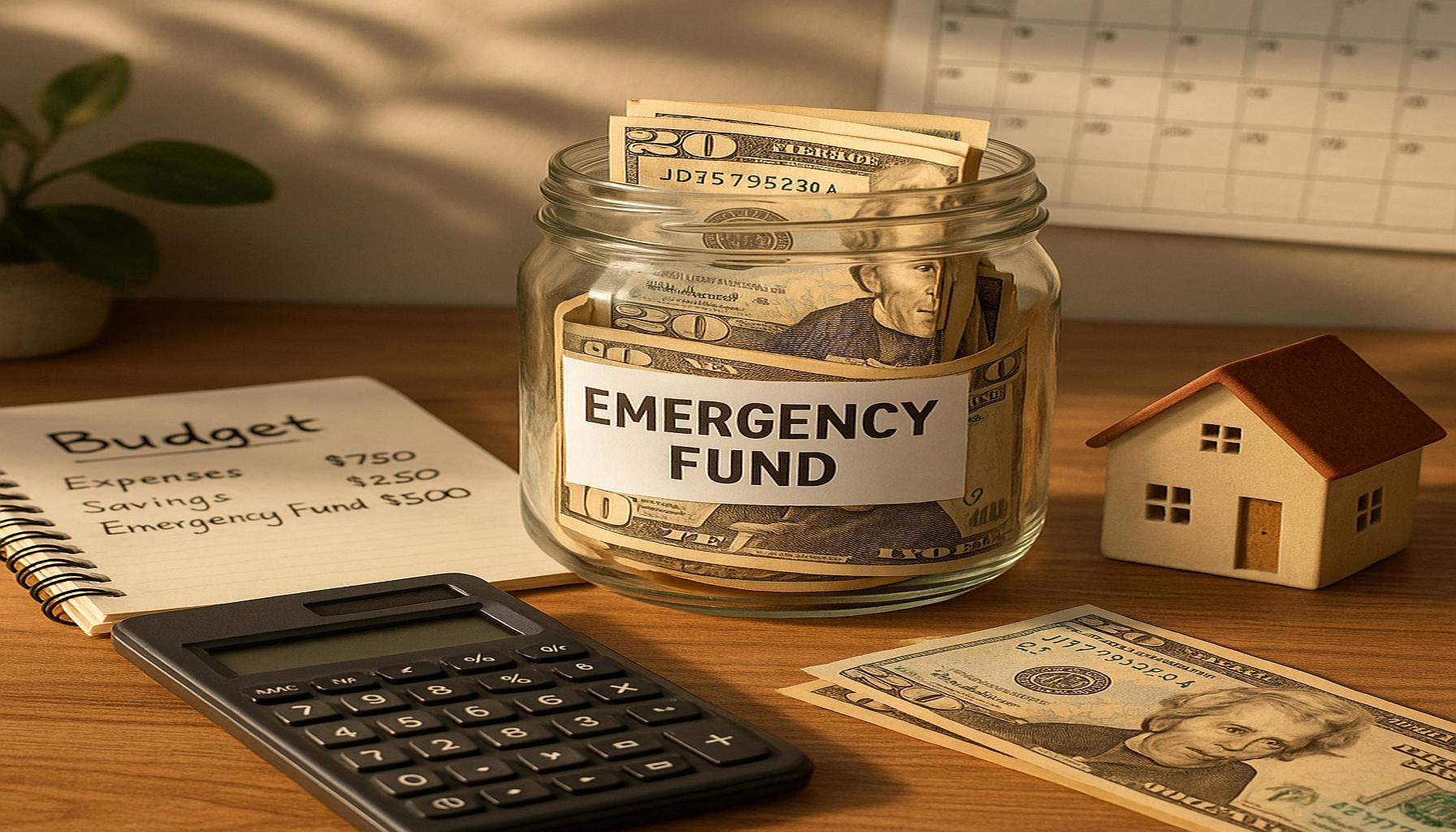
- Automating Savings: One of the keys to achieving financial goals is the consistent contribution to savings accounts. By automating these transfers, you can ensure that savings are prioritized before discretionary spending. Setting up automatic deposits to a high-interest savings account or tax-free savings account (TFSA) can facilitate the building of an emergency fund or savings for future investments, such as property or education. Automation serves as a “pay yourself first” strategy, crucial for maintaining financial momentum.
- Leveraging Financial Tools: In the digital age, several applications and software platforms can enhance budgeting efforts by providing real-time tracking and analysis of financial habits. Utilizing tools such as Mint or You Need A Budget (YNAB) can streamline the budgeting process by offering insights into spending trends, upcoming bills, and potential savings. In Canada, these tools can integrate with local banking systems, allowing users to seamlessly manage their finances from a single dashboard.
Implementing these budgeting techniques requires commitment and adaptability; however, the rewards can be transformative. By aligning your financial practices with your overarching goals, you ensure not only short-term stability but also long-term financial health, positioning yourself to navigate the complexities of personal finance in a rapidly changing economic landscape.
Conclusion
In conclusion, creating an effective personal budget is a fundamental step toward achieving your financial goals and fostering a secure financial future. The budgeting process, beginning with meticulous tracking of income and expenses, sets the stage for mindful financial management. By implementing practical techniques such as zero-based budgeting, the 50/30/20 rule, or the envelope system, you can cultivate discipline and ensure that your financial resources are aligned with your priorities. Additionally, embracing automation for savings and leveraging digital financial tools enhances the budgeting experience, making it accessible and efficient.
As you embark on this journey, it is essential to maintain flexibility, regularly reassessing your budget to adapt to changing circumstances and goals. Remember that your personal budget is not merely a static tool but a dynamic roadmap guiding you through financial decision-making and toward your aspirations. The financial landscape can be complex, especially in Canada’s diverse economy; however, the implementation of these strategies empowers you to navigate it with confidence.
Ultimately, the commitment to maintaining an effective personal budget not only supports immediate financial stability but also lays the groundwork for long-term prosperity, whether it’s purchasing a home, funding education, or preparing for retirement. By prioritizing financial literacy and adopting these budgeting practices, you are not just managing money but strategically working toward achieving your financial dreams.

Linda Carter
Linda Carter is a writer and financial expert specializing in personal finance and financial planning. With extensive experience helping individuals achieve financial stability and make informed decisions, Linda shares her knowledge on the our platform. Her goal is to empower readers with practical advice and strategies for financial success.