Alternatives to Credit Cards: Payment Options That Can Reduce Debt in Canada
The Growing Concern of Credit Card Debt in Canada
Credit card debt poses a significant challenge for many Canadians, often leading to feelings of anxiety and financial instability. According to a 2022 report from the Canadian Bankers Association, nearly 60% of Canadians carry some level of credit card debt, with the average balance exceeding CAD $4,000. This level of debt can result in high-interest payments, making it increasingly difficult to regain financial footing. Therefore, it is crucial to explore alternatives to traditional credit cards that may offer more manageable solutions for debt relief and financial planning.
Exploring Alternative Payment Options
Transitioning from credit cards to alternative payment methods not only assists in reducing overall debt but also fosters healthy financial habits. Below are some viable options:
- Debit Cards – These cards are directly linked to the holder’s bank account, allowing users to spend only what they have available. This feature is particularly beneficial for Canadians looking to avoid the pitfalls of accumulating debt, as purchases made with a debit card are deducted immediately from their account balance.
- Prepaid Cards – Prepaid cards come with a predetermined spending limit, making it an effective tool for budgeting. Canadians can load a specific amount onto these cards, ensuring they do not overspend. This can also be a useful option for those who may struggle with impulse purchases, as the cards cannot be reloaded without an initial deposit.
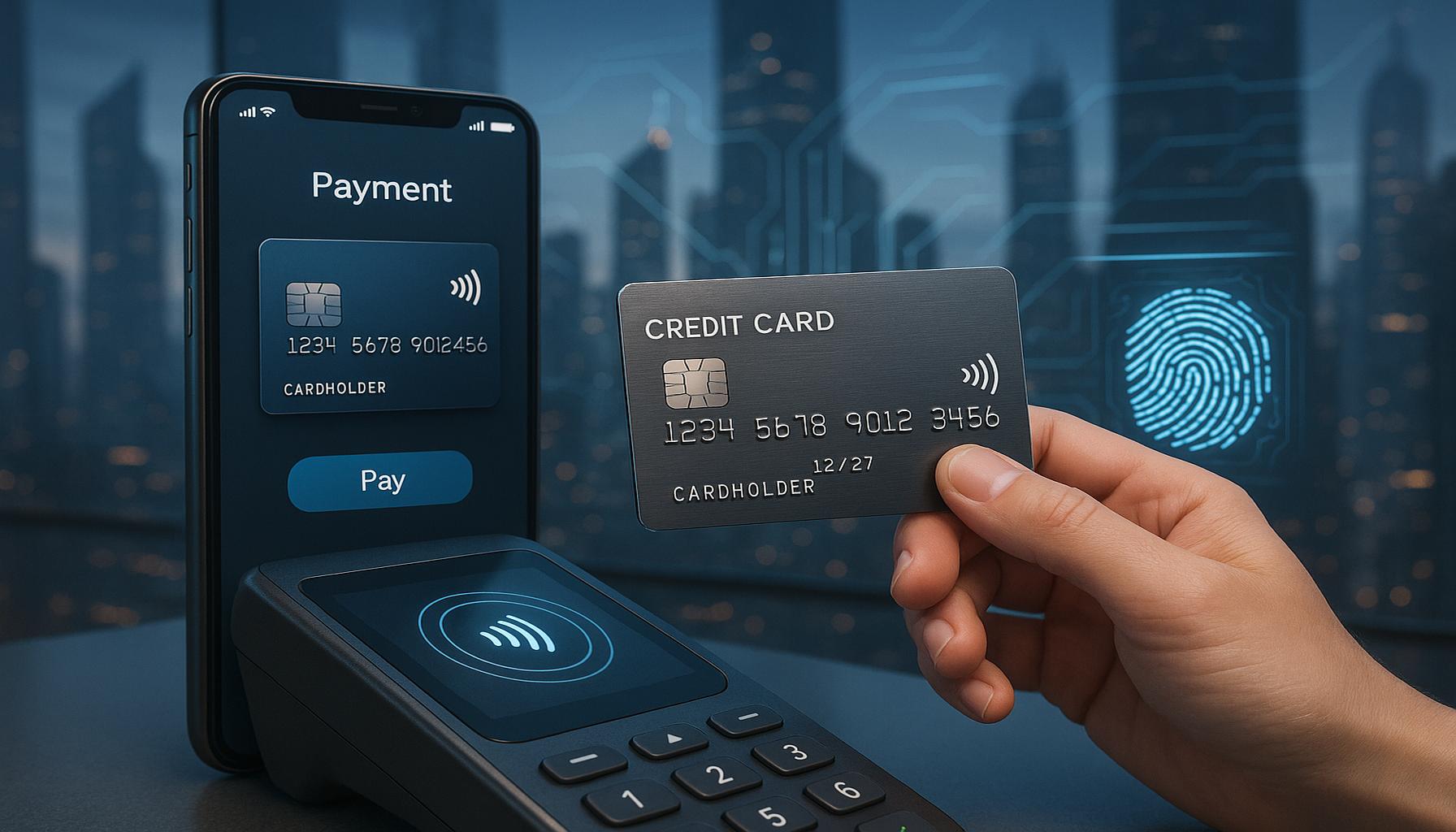
- Mobile Payment Solutions – Innovative applications like Apple Pay, Google Pay, and Samsung Pay provide an efficient and secure means of managing finances. These digital wallets not only enable contactless payments but also track spending patterns, making it easier for users to adhere to their budgets. Moreover, many Canadian retailers now accept mobile payments, integrating technology into everyday transactions.
- Buy Now, Pay Later (BNPL) – This payment model has gained traction in Canada, allowing consumers to make purchases instantly while spreading the payment across several weeks or months, typically at no interest. While BNPL can ease immediate financial burden, it is essential for users to ensure they understand repayment terms and to avoid accumulating additional debt.
- Personal Loans – For those with existing high-interest credit card debt, personal loans can offer a structured repayment plan with lower interest rates. Many financial institutions in Canada provide these loans, which can be utilized to consolidate credit card debt into one manageable monthly payment. This approach not only simplifies budgeting but may also provide a faster route to financial freedom.
Conclusion: A Path Towards Financial Health
Each of these alternatives comes with unique features that cater to a variety of financial circumstances. By embracing these options, Canadians can proactively manage their expenses and work towards eliminating debt. Implementing such strategies not only alleviates the immediate stress associated with credit card debt but also instills a greater sense of financial control and responsibility for the future.
Effective Strategies to Manage Spending
In light of the rising levels of credit card debt in Canada, it becomes increasingly essential to adopt alternative payment methods that foster responsible spending and help prevent further financial strain. By utilizing different payment options, Canadians can effectively manage their money while avoiding the pitfalls often associated with credit card usage.
One of the most straightforward alternatives is the debit card. Debit cards are linked directly to the user’s bank account, allowing for transactions that only draw from available funds. This direct linkage makes it nearly impossible to overspend, as individuals cannot withdraw more than what they have saved. This characteristic becomes crucial for those aiming to adopt a disciplined approach to budgeting, as it fosters an environment of conscious spending.
Another practical alternative is the prepaid card. These cards operate on a simple principle: users can load a specified amount onto the card, creating a strict spending limit. For Canadians who struggle with overextending themselves financially, prepaid cards serve as an excellent budgeting tool. By capping expenditure, these cards can minimize impulsive buying behaviors, ensuring that users stick to their financial plans without incurring debt.
In the technologically advanced landscape of today, mobile payment solutions have become increasingly popular. Applications like Apple Pay, Google Pay, and Samsung Pay allow canadians to pay with their smartphones, providing a contactless and efficient transaction experience. Beyond mere convenience, many of these digital wallets feature built-in budgeting tools that help users monitor their spending. By gaining insights into their purchasing habits, Canadians can make informed decisions that align with their financial goals.
The Buy Now, Pay Later (BNPL) model has also proliferated in recent years, particularly among younger consumers. This option allows for immediate access to products while spreading the total cost over several installments, typically interest-free. However, while BNPL can alleviate financial pressure in the short term, Canadians must remain vigilant. Understanding the repayment terms and ensuring that they do not acquire additional debt is critical to maintaining financial stability while utilizing this growing payment option.
For individuals already burdened with high-interest credit card debt, exploring personal loans may provide an effective path to relief. Personal loans typically offer lower interest rates than credit cards, and many Canadian financial institutions provide them with structured repayment plans. These loans can be strategically used to consolidate existing credit card debt, simplifying monthly payments and accelerating the journey towards financial freedom.
Ultimately, as Canadians explore these alternative payment methods, they have the opportunity to regain control of their finances. By embracing these strategies, individuals can cultivate healthier spending habits while reducing the reliance on credit cards, paving the way for a more secure financial future.
Embracing Technology for Financial Management
In addition to traditional payment methods, the surge in digital innovations has introduced numerous tools that can help Canadians manage their finances more effectively. These technological advancements not only simplify transactions but also encourage a proactive approach to financial health.
Budgeting Apps are a key component in this digital landscape. Applications such as Mint, YNAB (You Need A Budget), and PocketGuard allow individuals to track spending in real-time. By connecting to bank accounts and analyzing transaction data, these apps provide users with a clear overview of their financial situation. Many offer customizable budgeting plans, alerts for overspending, and insights into spending patterns, empowering Canadians to make informed financial decisions and work towards their debt repayment goals.
Another innovative solution is the emergence of peer-to-peer payment platforms. Services like Venmo, Interac e-Transfer, and PayPal facilitate easy, often instantaneous, money transfers between friends and family. These platforms can be especially helpful for splitting bills or sharing expenses, eliminating the need for credit card use in social settings. By encouraging cashless transactions among trusted acquaintances, Canadians can further establish a culture of responsible spending while avoiding the risk of building credit card debt.
Furthermore, alternative credit reporting services are gaining traction as a tool to enhance financial literacy. Companies like Borrowell and Credit Karma provide free access to credit scores and personalized financial reviews. By offering insights into credit standings, these services allow users to monitor their credit health and identify areas for improvement. Understanding credit utilization ratios and maintaining a healthy credit score can significantly ease the path to securing loans with better terms, thus enabling Canadians to manage debt more effectively.
Exploring Community Resources
In Canada, various non-profit organizations and community services can aid individuals in reducing debt through financial education. Programs from organizations like Credit Counselling Canada (CCC) equip citizens with the knowledge and skills necessary to navigate financial challenges. These resources often provide workshops focused on budgeting, debt repayment strategies, and even one-on-one counseling sessions designed to create personalized plans for financial health. Engaging with such community resources can further enhance Canadians’ abilities to manage their finances without relying heavily on credit cards.
The cash envelope system is a time-honored strategy that has seen a resurgence in popularity. This method involves withdrawing a fixed amount of cash for specific budgeting categories (e.g., groceries, entertainment) and dividing the money into envelopes marked for each category. Once the cash in an envelope is spent, no further purchases can be made in that category until the next budgeting period. This tangible approach not only instills discipline in spending habits but can also serve as a powerful tool in minimizing reliance on credit.
By embracing both technology and community resources, Canadians can further diversify their payment options beyond credit cards. These alternatives provide an opportunity to cultivate better financial practices, ultimately leading to enhanced overall financial well-being and reduced debt levels.
Final Thoughts on Payment Alternatives
In conclusion, the exploration of alternatives to credit cards reveals a rich array of payment options that can significantly reduce debt and foster healthier financial habits among Canadians. By harnessing the power of budgeting apps, peer-to-peer payment platforms, and alternative credit reporting services, individuals are not only empowered to manage their finances more effectively but are also encouraged to adopt a proactive approach to budgeting and debt avoidance. These digital tools enhance transparency and provide invaluable insights into spending behavior, thereby fostering a culture that prioritizes financial literacy.
Additionally, the role of community resources and time-tested strategies, such as the cash envelope system, cannot be overstated. Engaging with local non-profit organizations and utilizing proven methods serve as essential complements to technological solutions, equipping Canadians with the knowledge and discipline necessary for navigating financial challenges without falling into the traps of credit card debt.
Ultimately, prioritizing these alternatives not only supports a sustainable lifestyle but also enables individuals to achieve greater financial stability. As Canadians continue to adapt to an evolving financial landscape, these diverse payment options will play a vital role in helping them build a future founded on responsible spending, reduced debt, and overall enhanced financial well-being.

Linda Carter
Linda Carter is a writer and financial expert specializing in personal finance and financial planning. With extensive experience helping individuals achieve financial stability and make informed decisions, Linda shares her knowledge on the our platform. Her goal is to empower readers with practical advice and strategies for financial success.