How to Avoid Credit Card Debt: Practical Tips for Canadian Consumers
Understanding Credit Card Debt in Canada
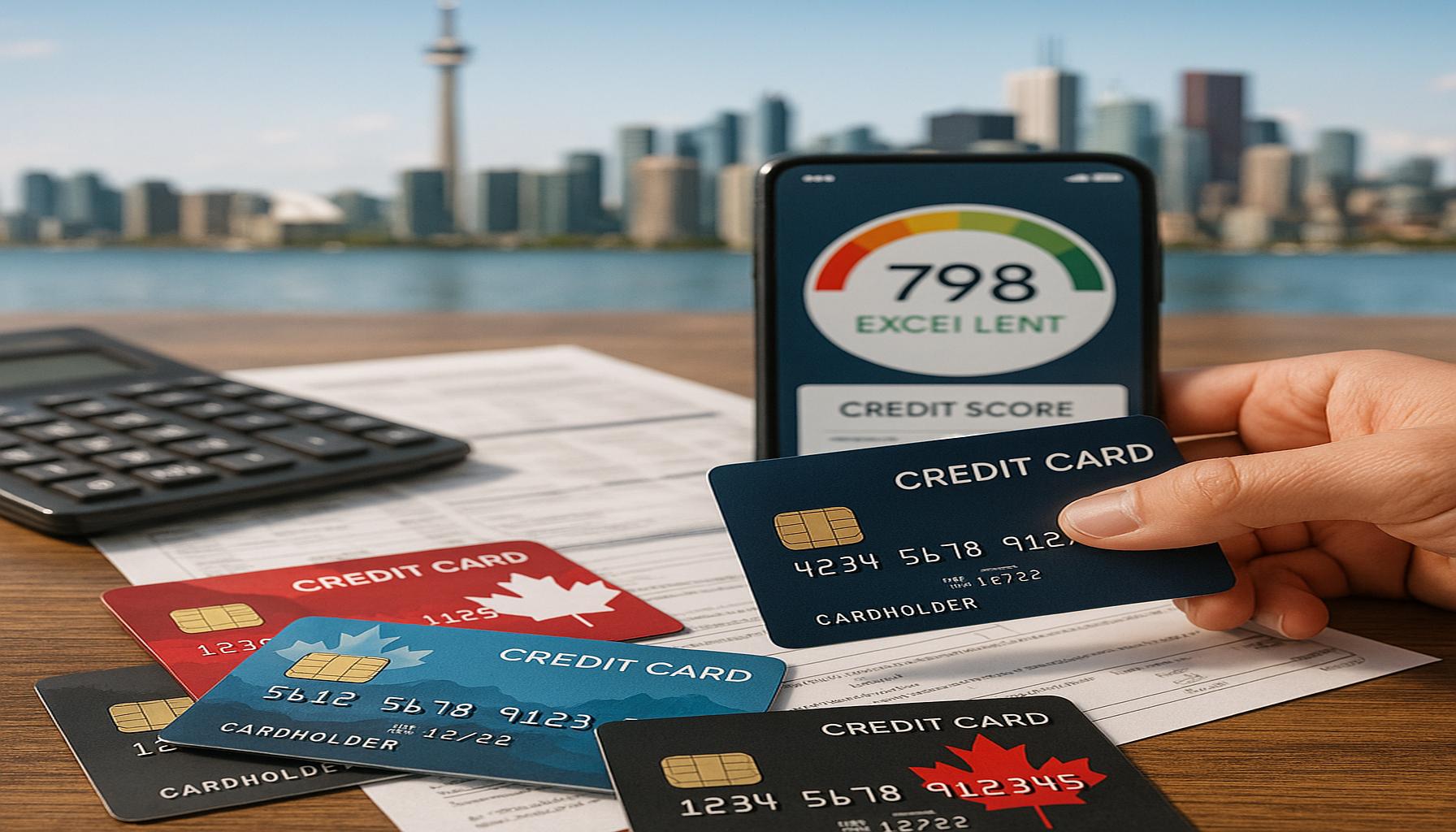
Credit card debt remains one of the leading financial challenges for many Canadians. With the allure of instant purchasing power and tempting rewards programs, it’s easy for consumers to spiral into unmanageable debt. However, understanding how to navigate credit responsibly can significantly reduce this risk.
Statistics reveal that approximately 30% of Canadians carry credit card debt from month to month, often leading to high interest charges and financial strain. Such statistics highlight the urgency for consumers to take proactive measures in managing their credit. The average credit card interest rate in Canada hovers around 19.99%, which can accumulate quickly when balances are not paid in full. To combat this issue, it is essential to adopt practical strategies that promote responsible credit use.
Key Strategies for Responsible Credit Use
- Understand your financial limits: Knowing your budget is crucial. A detailed monthly budget allows you to establish a baseline for your expenses versus your income. This understanding helps you avoid overspending and accumulating debt. Consider using budgeting tools or apps, such as Mint or YNAB (You Need a Budget), tailored to track your income and expenditures effectively.
- Pay your balances in full: To avoid interest charges, aim to pay off your credit card bill each month. If paying off the entire balance each month is not feasible, consider setting up a plan to reduce your outstanding balance steadily. By doing so, you prevent interest from compounding and protect your credit score, which benefits your overall financial health.
- Monitor your spending: Keeping track of your transactions is essential to avoid exceeding your limit. Most credit card companies offer online banking facilities, where you can check your current balance and recent transactions in real-time. Utilizing these resources allows you to stay informed about your spending habits and identify areas where you can cut back.
- Utilize rewards programs wisely: While rewards programs can offer significant benefits, they can also lead to unnecessary spending. Ensure that the purchase of items is within your budget rather than solely motivated by the desire to earn rewards. For example, if a credit card offers travel rewards, only use the card for travel-related expenses after confirming that these expenses fit within your pre-established budget.
- Educate yourself on credit terms: Understanding credit card terms and conditions is fundamental to avoiding pitfalls. Before applying for or using a credit card, familiarize yourself with its fee structure, grace periods, and implications of late payments. This knowledge will empower you to make informed decisions.
By implementing these practical tips and maintaining awareness of your financial habits, you can greatly minimize the chances of falling into credit card debt. Staying informed and disciplined are vital components of managing your finances effectively in today’s consumer-driven economy. Remember that financial freedom not only enhances quality of life but also provides a stable foundation for future investments and growth.
Establishing a Strong Foundation for Credit Management
To effectively manage credit card usage and evade the pitfalls of debt, Canadian consumers must establish a strong foundation for financial management. The following strategies are designed to promote responsible borrowing and encourage habits that contribute to long-term financial stability.
Set Realistic Spending Limits
One of the most critical steps in avoiding credit card debt is to set realistic spending limits. Analyze your financial situation by reviewing your monthly income and fixed expenses, such as rent or mortgage payments, utilities, and insurance. From there, you can allocate a specific portion of your income for discretionary spending and credit card use. This can prevent impulsive purchasing that may lead to debt accumulation.
To aid in setting these limits, consider the 50/30/20 budgeting rule, which divides your after-tax income into three categories:
- 50% for needs: Allocate half of your income for essential expenses such as housing, groceries, and transportation.
- 30% for wants: Designate 30% for non-essential purchases, including entertainment, dining, and travel.
- 20% for savings and debt repayment: Use this portion to build an emergency fund, save for future goals, or pay down existing debts.
Following this budgeting method ensures that you make informed decisions regarding credit card spending while safeguarding your financial future.
Utilize Automatic Payments and Alerts
Establishing automatic payments is another effective strategy to avoid late fees and penalties that contribute to credit card debt. By enrolling in your credit card issuer’s automatic payment service, you can set up recurring payments for the minimum amount or your total balance. Doing so not only simplifies the payment process but also helps you maintain a positive credit history.
Furthermore, take advantage of alerts offered by credit card companies. These notifications can inform you of due dates, spending limits, and promotional offers, ensuring you stay on top of your financial commitments. Setting thresholds for alerts, such as when you reach a specific percentage of your credit limit, can help in controlling your spending and preventing oversights.
Be Cautious with New Credit Applications
Often, Canadians may receive offers to open new credit card accounts promising enticing incentives or benefits. However, it’s vital to approach these offers with caution. Opening multiple credit accounts may not only complicate your financial landscape but also negatively impact your credit score. Each time a new credit application is submitted, it results in a hard inquiry on your credit report, which can lower your credit score temporarily.
If you determine that adding a new credit card is necessary, take the time to research and understand the card’s terms, interest rates, and potential fees. Select a card that aligns with your financial goals and spending habits, ensuring it complements your existing financial strategy.
By setting clear spending limits, automating payments, and being judicious in applying for new credit, Canadians can significantly improve their financial habits and reduce the risk of falling into credit card debt. The conscious effort to manage credit responsibly will pave the way for a more secure financial future.
Implementing Smart Payment Strategies
In addition to establishing a strong foundation for credit management, Canadian consumers should adopt smart payment strategies to maximize their credit card use and prevent debt. These approaches not only encourage responsible spending but also foster positive financial habits that contribute to overall financial wellness.
Pay More Than the Minimum Payment
One of the most significant mistakes consumers make is settling only for the minimum payment on their credit card balances. While this may seem manageable initially, it can result in high-interest charges over time. Credit cards typically come with steep interest rates, and making only the minimum payment can prolong debt repayment and lead to a substantial increase in the total amount owed.
Instead, aim to pay off as much of the balance as possible each month. If feasible, try to pay the entire outstanding amount to avoid accruing interest. Even a small increase in your payment can significantly reduce the time it takes to pay off the debt and can save you money on interest charges. Establish a habit of regularly evaluating your credit card balance and making more substantial payments whenever possible.
Use Cash or Debit for Daily Expenses
To minimize the risk of racking up credit card debt, consider using cash or a debit card for everyday expenses. While credit cards can offer rewards and benefits, relying on them for routine purchases can lead to overspending and lead to debt accumulation. Setting aside a certain amount of cash for your weekly or monthly expenses can help you stay within your predetermined spending limits.
By restricting your purchases to what you can afford with cash or debit, you cultivate a disciplined approach to spending. This method encourages mindful purchasing decisions, ultimately reducing the reliance on credit cards and, subsequently, the risk of falling into debt.
Monitor Your Credit Card Statements Regularly
Keeping track of your credit card statements is crucial in maintaining control over your spending and financial health. Regularly reviewing your statements can help you recognize spending patterns and identify areas where you can cut back.
Moreover, it is essential to be vigilant for any unauthorized charges that may appear on your account. Report any discrepancies or fraudulent activities to your credit card issuer immediately. Regular monitoring not only helps you stay accountable but also reduces the likelihood of unexpected charges leading to overspending.
Consider a Debt Repayment Strategy
If you find yourself facing existing credit card debt, developing a comprehensive debt repayment strategy is essential. Two popular methods for tackling debt are the debt snowball and debt avalanche approaches.
- Debt Snowball: Focus on paying off your smallest debt first, while continuing to make minimum payments on larger debts. This method can build momentum and motivation, as eliminating smaller debts provides a sense of accomplishment.
- Debt Avalanche: Prioritize paying off debts with the highest interest rates first. This strategy may save you more money in the long run, as it reduces the total interest paid over time.
Whichever approach you choose, having a structured plan in place will help you remain disciplined and focused on becoming debt-free.
By implementing conscientious payment strategies, using cash for everyday expenses, monitoring credit statements, and adopting effective debt repayment plans, Canadian consumers can foster responsible credit card practices. These techniques can empower individuals to maintain financial stability and prosper in an increasingly credit-driven world.
Conclusion
In summary, avoiding credit card debt requires a multifaceted approach that integrates responsible spending habits with vigilant financial management. Canadian consumers can significantly reduce their risk of falling into debt by implementing a few key strategies. Prioritizing payments above the minimum, utilizing cash or debit for everyday purchases, and consistently monitoring credit card statements are all effective practices that promote a healthier relationship with credit.
Additionally, for those currently facing credit card debt, establishing a well-structured repayment plan—whether via the debt snowball or debt avalanche method—can accelerate progress towards financial freedom. Each approach offers unique benefits, but both emphasize the importance of focus and discipline in becoming debt-free.
Ultimately, cultivating financial literacy and developing a proactive mindset are essential for navigating the complexities of credit. By understanding the implications of credit card use and approaching spending with integrity, Canadian consumers can not only avoid the pitfalls of debt but also enhance their overall financial well-being. Embracing these practical tips sets the stage for a more secure financial future, enabling individuals to enjoy the benefits of credit without the burden of excessive debt. With commitment and awareness, anyone can turn credit cards into a tool for financial success rather than a source of stress.

Linda Carter
Linda Carter is a writer and financial expert specializing in personal finance and financial planning. With extensive experience helping individuals achieve financial stability and make informed decisions, Linda shares her knowledge on the our platform. Her goal is to empower readers with practical advice and strategies for financial success.