How to Choose the Ideal Credit Card for Your Needs
Understanding Your Credit Card Options
Choosing a credit card is a significant financial decision that can have a direct impact on your spending habits and overall financial health. The key to finding the perfect match starts with an assessment of your needs and preferences. With the right card, you can enjoy the perks that enhance your lifestyle, whether it’s travel, everyday expenses, or building credit.
First, let’s talk about rewards programs. Many credit cards come with incentives such as points, miles, or cashback for every purchase you make. For example, a travel-focused card can offer you points for each dollar spent on plane tickets and hotels. If you collect enough points, you can redeem them for free flights or hotel stays. In Canada, there are also cards that cater to local spending patterns, like earning cashback on essential purchases including groceries or dining out. This means if you frequently shop at specific grocery stores, finding a card that provides additional rewards at those outlets can greatly benefit you.
Next, understanding interest rates is crucial. The annual percentage rate (APR) determines how much interest you will pay if you carry a balance month to month. For instance, if you’re a cardholder who typically pays off the balance in full each month, a card with a higher APR may not be an immediate concern. However, if there are times when you carry a balance, looking for a card with a lower interest rate becomes essential to avoid paying excessive interest on owed amounts. For Canadians, interest rates can vary widely, so it’s wise to compare your options before making a commitment.
Moreover, being aware of fees is equally important. Some credit cards come with annual fees, while others do not. It’s vital to understand what you are being charged for and whether the benefits you receive justify these costs. Additionally, foreign transaction fees can add up quickly for those who travel outside of Canada. If you love traveling abroad, consider a card that does not charge these fees to save money on purchases made in other currencies.
Your personal spending habits should significantly influence your choice. For instance, if you enjoy traveling frequently, a card designed with travel perks is beneficial. On the other hand, if you spend a lot on groceries or gas, then choosing a card that offers higher cashback in those categories can result in substantial savings. Furthermore, for those who often carry a balance from month to month, prioritizing cards with lower interest rates can help in managing debt more effectively.
In conclusion, navigating through various credit card options doesn’t have to be daunting. By taking into consideration your own financial behaviors, potential rewards, acceptable interest rates, and applicable fees, you can make an informed choice that aligns with your specific needs. This careful evaluation will guide you in finding a credit card that not only enhances your spending power but also supports your financial goals, providing you a sense of security and comfort as you manage your finances.
Assessing Your Financial Goals
Once you have a grasp on your spending habits and types of rewards you want, the next step is to assess your overall financial goals. Understanding what you hope to achieve with your credit card can significantly influence your choice. This assessment includes factors such as your ability to pay off your balance, your frequency of travel, and any upcoming large financial commitments.
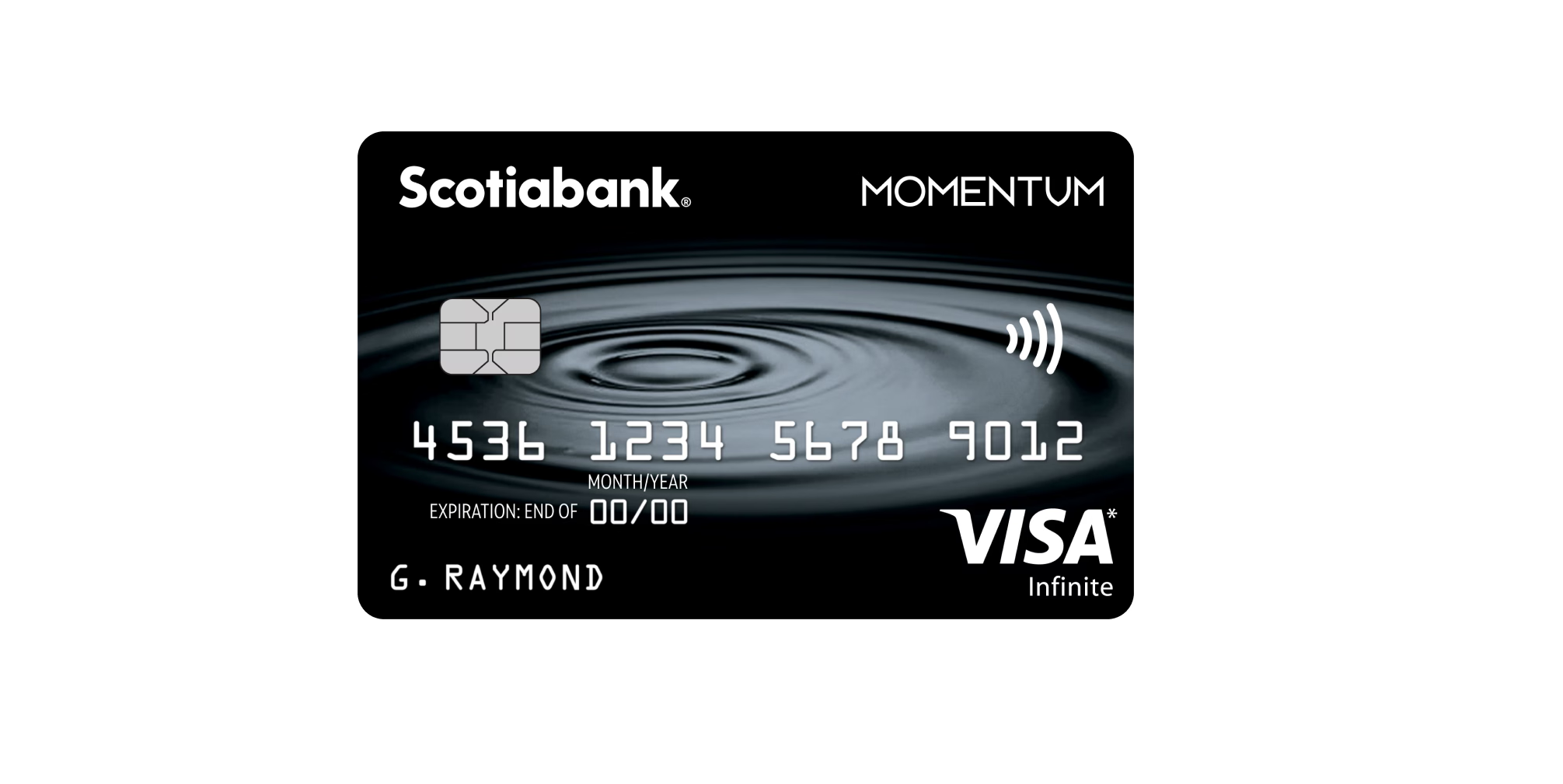
First, consider whether you want to use your credit card primarily for everyday expenses or special occasions. If your primary aim is to earn rewards during daily purchases, focus on cards that offer cashback on categories such as groceries, gas, and dining out. Many Canadian credit cards provide a tiered cashback system, offering higher percentages back in specific categories. For instance, cards like the Scotiabank Momentum Visa allow you to earn 4% cashback on groceries, which is extremely beneficial if you frequently shop for food.
On the other hand, if you plan to use your credit card mainly for travel, opting for a travel rewards card will be advantageous. These cards often come with benefits such as travel insurance, airport lounge access, and no foreign transaction fees. For example, the TD Aeroplan Visa Infinite Card not only helps you earn aeroplan points on your purchases but also provides travel protection benefits. Such features are especially valuable for frequent travelers, making your journeys smoother and more enjoyable.
Consider also how much debt management will play a role in your decision. If you are prone to carrying a balance, searching for a card with a low interest rate should be a priority. Some credit cards offer introductory 0% APR for a certain period on purchases and balance transfers, which can provide breathing room for those needing to manage larger expenses. The CIBC Simplicity Visa is one such card that comes with no annual fee and a standard low-interest rate, perfect for individuals working to pay down their balances.
Another crucial aspect of assessing your financial needs is to evaluate your credit score. Different cards may have different requirements based on your creditworthiness. If you know your credit score is lower, targeting secured credit cards or cards designed for building credit can be a wise route. These options usually have less stringent approval criteria, allowing you to start building or rebuilding your credit without overly punitive fees.
Lastly, another factor to consider is additional perks that might sway your decision. Many credit cards offer benefits such as purchase protection, extended warranties on items, and access to exclusive experiences or events. These added bonuses can enhance the overall value of a credit card, making it more appealing.
In summary, carefully assessing your financial goals and preferences will empower you to choose a credit card that complements your lifestyle. Keep in mind how often you travel, your spending habits, your debt management needs, and any preferred perks. This clear understanding will serve as a solid foundation, steering you towards that ideal credit card aligned with your financial objectives.
Understanding Fees and Interest Rates
Another vital element to contemplate when selecting a credit card is its associated fees and interest rates. While some cards may offer appealing rewards and benefits, hidden costs can quickly offset these advantages. It’s essential to carefully read the fine print to understand the pricing structure of a card before applying.
Start by examining the annual fee. Many premium credit cards come with an annual fee that can range from as low as $29 to $499 or more, depending on the perks offered. If you are not a frequent traveler or spender, you might want to consider a no-annual-fee credit card, which can help keep your costs low. For example, the PC Financial Mastercard comes without an annual fee and offers rewards on grocery purchases, making it an excellent option for budget-conscious consumers.
Next, skim through the interest rates associated with the card. Understanding the APR (Annual Percentage Rate) is crucial, especially if you plan on carrying a balance. Cards typically break down interest rates into different categories such as purchases, cash advances, and balance transfers. If you anticipate needing to transfer a balance from another card, look for a card that offers a low-interest rate for balance transfers, along with an introductory period where interest charges are waived. For instance, the HSBC MasterCard offers a promotional period of 0% interest on balance transfers, allowing you to pay down debt without accruing additional charges.
Look for Flexible Payment Options
Flexibility in payment options can also play an integral role in your overall credit experience. Look for cards that allow you to select your payment due date or offer features like “Payment Plans” for larger purchases. Some credit cards, like the RBC Rewards Visa, provide options for no-interest financing for certain eligible purchases, which helps with budgeting and managing cash flow.
Understanding Reward Redemption
Equally important is to consider how the rewards can be redeemed and whether it aligns with your preferences. Different cards will offer varying options for redeeming rewards, whether through cashback, travel points, or merchandise. Make it a priority to understand the amount of effort and time involved in redeeming rewards. For instance, a card like the American Express Cobalt Card has a user-friendly points redemption program, allowing cardholders to transfer points to multiple airline partners or redeem them for statement credits, thus adding flexibility.
Customer Service and Support
Lastly, don’t overlook the quality of customer service associated with a credit card provider. Having access to reliable support can make a difference in resolving issues or getting answers to concerns. Before making a choice, research customer reviews, or even reach out to the provider’s support team with inquiries. A provider known for excellent customer service, like BMO, can enhance your overall experience, making you feel valued and assured that help is available if needed.
By understanding fees, interest rates, reward redemption processes, and the level of customer support, you can make a more informed choice that truly meets your financial needs and lifestyle. Be thorough in your research to find the credit card that best aligns with your goals and expectations. Careful consideration of these factors can save you money in the long run and lead to a more satisfying credit card experience.
Conclusion
Choosing the ideal credit card is crucial for managing your finances effectively and optimizing the benefits you receive from your spending. By focusing on key factors such as fees, interest rates, and reward programs, you can find a card that aligns with your lifestyle and financial goals. Remember, it’s not just about the surface perks; understanding the fine print is essential to avoiding unexpected costs.
Consider your personal spending habits when evaluating options. If you’re a frequent traveler, a card that offers travel rewards or perks like no foreign transaction fees may be worthwhile. Conversely, if you primarily use your card for everyday purchases, a cash-back card might serve you better. Additionally, examine customer service offerings to ensure you have support when you need it most; reputable providers, such as Scotiabank or Tangerine, can make a significant difference in your overall experience.
In summary, taking the time to assess your financial needs and researching various credit cards can lead to more informed decisions that ultimately benefit your wallet. Whether you’re looking to build credit, earn rewards, or manage debt more effectively, the right credit card is out there waiting for you. Don’t rush the process—evaluate options carefully and choose a card that not only meets your immediate needs but also supports your long-term financial health.

Linda Carter
Linda Carter is a writer and financial expert specializing in personal finance and financial planning. With extensive experience helping individuals achieve financial stability and make informed decisions, Linda shares her knowledge on the our platform. Her goal is to empower readers with practical advice and strategies for financial success.