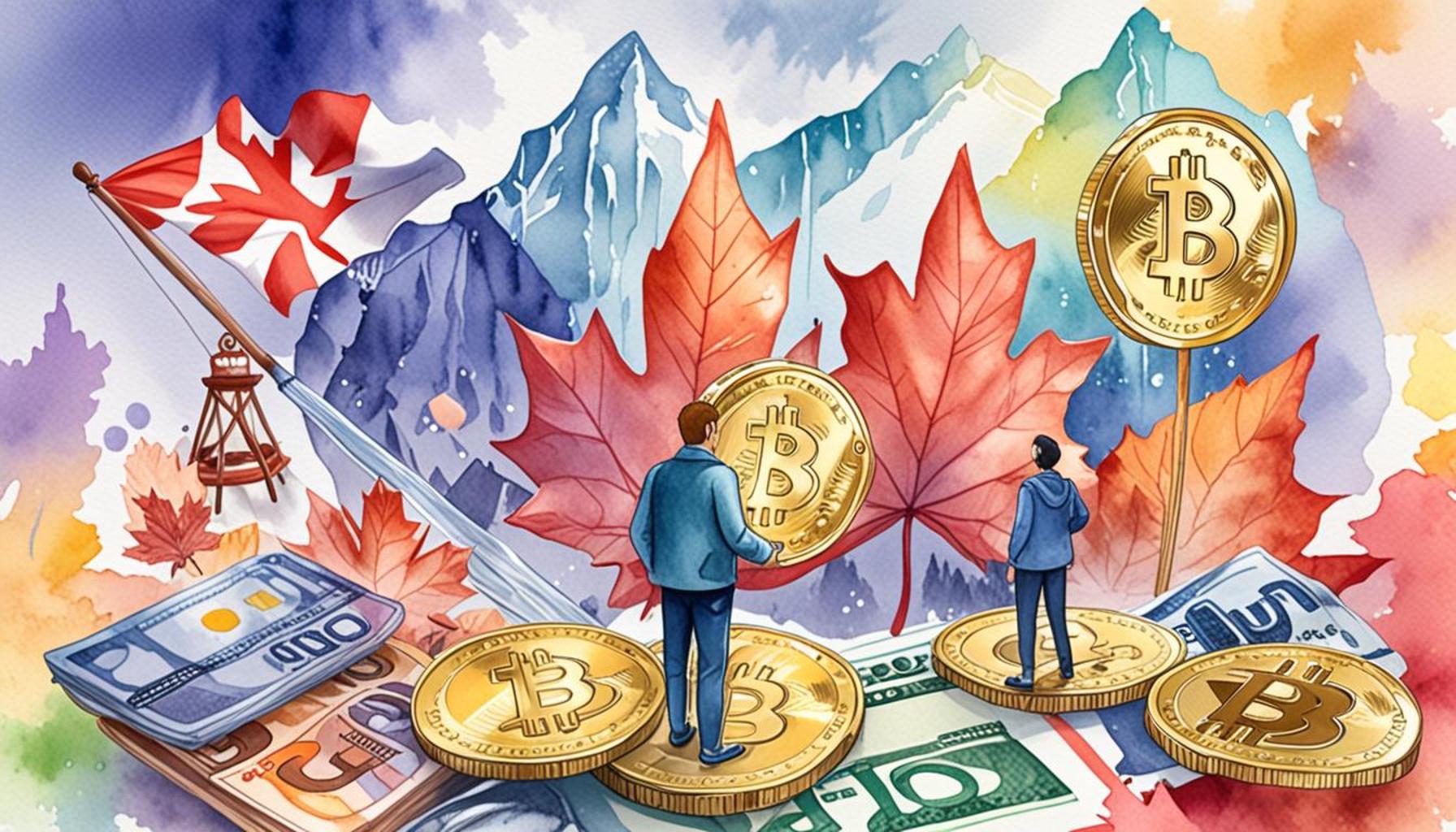
Evolution of the Canadian Stock Market in Response to Global Events in 2023

Understanding the Shifts in the Market
The Canadian stock market, much like others globally, has faced significant changes in 2023. These shifts have been largely influenced by a variety of international events and economic pressures. Understanding this evolution is crucial for Canadian investors and those interested in the market’s dynamics. One cannot overlook how interconnected the financial world is today; events in one region can easily ripple across borders, impacting both investor sentiment and market performance.
Key Factors Influencing the Market
Several global events have played a decisive role in shaping market trends this year. These key factors include:
- Geopolitical Tensions: Rising conflicts and diplomatic challenges, such as heightened tensions in Eastern Europe and Asia, have created uncertainty. This unpredictability often leads to volatility in the market as investors react defensively, steering away from stocks perceived as risky.
- Economic Policies: Central banks worldwide, including the Bank of Canada, have altered interest rates in response to inflationary pressures. For example, an increase in interest rates can make borrowing more expensive, slowing down consumer spending and investment, which can negatively affect stock prices.
- Market Reactions: Investors have been quick to respond to news impacting economic outlooks, with immediate effects on stock prices and trading volumes. For example, the announcement of positive corporate earnings reports can lead to a surge in stock prices, while negative news can trigger panic selling.
The interplay between these factors has led to fluctuations in major indices, including the TSX Composite. For instance, certain sectors like energy and commodities have seen boosts due to rising global demand, especially as economies rebound post-pandemic. Conversely, technology stocks have faced pressures amid rising interest rates, as higher costs to finance operations can shrink profit margins.
Observing Local Impacts
Canadian companies are not isolated from global trends. Events such as:
- Supply Chain Disruptions: These disruptions, often caused by international trade challenges or logistics issues, can significantly affect production and inventory levels. For instance, a shortage of microchips impacted many technology companies within Canada, affecting their ability to meet consumer demand.
- Trade Agreements: Changes in trade policies and agreements can enhance or limit market opportunities for Canadian businesses. The ratification of the USMCA (United States-Mexico-Canada Agreement) has provided Canadian producers with better access to the American market, benefiting industries like automotive and agriculture.
- Environmental Policies: Shifts in regulations can shape industry performance, especially in sectors like energy and manufacturing. Canada’s commitment to reducing carbon emissions impacts energy companies, pushing them to adapt or innovate to remain competitive.
These local impacts reflect a complex but fascinating evolution in the Canadian stock market. It emphasizes the importance of staying informed and adaptable in a rapidly changing financial landscape. Investors must keep a pulse on both global events and local developments to navigate the challenges and opportunities presented in 2023. With a well-rounded understanding of these factors, Canadian investors can make more informed decisions, maximizing their potential for success in a dynamic market environment.
Adapting to Global Forces
As we delve deeper into 2023, it is evident that the Canadian stock market has had to adapt to a myriad of global forces. These forces have not only shaped investor behavior but also influenced the underlying economic realities of Canadian businesses. Understanding how these global events translate into local market trends is essential for any investor looking to navigate the complexities of today’s financial landscape.
Impact of Global Economic Trends
The interconnectedness of economies means that even distant economic developments can send shockwaves through the Canadian market. Several global economic trends have made headlines this year, which has had a consequential impact on Canadian stocks:
- Inflationary Pressures: Inflation has escalated in many countries, including Canada. In response, central banks have taken tighter monetary policy measures. This has resulted in increased costs for consumers and businesses alike. For instance, the price of essential goods and services has surged, leading to a strain on household budgets and reduced discretionary spending, which in turn affects stock performance across various sectors.
- Commodity Prices: Canada is rich in natural resources, and fluctuations in global commodity prices significantly influence the stock prices of energy and resource companies. In 2023, the rebound demand for oil following global economic recovery has led to a sharp rise in crude prices. Companies engaged in oil extraction and distribution saw their stock prices thrive as investors anticipated higher revenues.
- Technological Advancements: The global tech landscape continues to innovate rapidly, affecting Canadian companies that either participate in or compete with these advancements. With global focus shifting towards sustainability and efficiency, Canadian tech firms that emphasize green technology have commenced attracting increased investment interest, emphasizing a shift towards eco-friendly solutions.
Furthermore, investing trends have reflected the fluctuating nature of these economic conditions. Financial analysts have noted a rise in “defensive” investing strategies, where investors gravitate towards the stocks of companies deemed safer during uncertainty. This shift may include essential goods manufacturers or those in healthcare, which historically weather economic storms better than other industries.
Sector-Specific Shifts
In the wake of these broader economic trends, several sectors within the Canadian stock market have flourished or struggled uniquely:
- Energy Sector: The Canadian energy sector has experienced a renaissance amid soaring global oil prices. Companies such as Suncor Energy and Canadian Natural Resources have reported enhanced earnings, leading to a surge in their stock prices. Investors appear confident in the sector’s ability to provide solid returns during a time of heightened demand.
- Technology Sector: Conversely, the tech sector has faced headwinds. With rising interest rates, many tech companies found themselves adjusting growth projections, causing volatility in stock valuation. For instance, firms heavily reliant on extensive capital investments have demonstrated slower growth due to the added cost of financing.
- Financial Services: The Canadian banks and financial institutions have benefitted from heightened interest rates, which have allowed them to increase profit margins on loans. This largely resulted in stable earnings reports in the sector, showcasing its ability to withstand economic fluctuations.
This dynamic landscape illustrates the continuous evolution of the Canadian stock market, reinforcing the necessity for investors to remain informed and proactive. By understanding and recognizing these global influences, Canadian investors can better position themselves in this ever-changing environment in 2023.
Responding to Geopolitical Changes
In addition to economic trends, geopolitics has emerged as a substantial factor influencing the Canadian stock market in 2023. The interconnected nature of global markets means that geopolitical tensions can create ripples that affect investor sentiment and stock performances. In this section, we explore how recent geopolitical developments have shaped the Canadian stock market landscape.
Impact of International Conflicts
Ongoing international conflicts, such as those in Ukraine and the Middle East, have had a palpable effect on global supply chains and commodity prices, which directly impacts Canada’s economy. A notable example includes:
- Energy Security: The conflict in Ukraine has led to significant disruptions in energy supplies, particularly from Russia. For Canada, this geopolitical instability has presented an opportunity. With European nations seeking alternative energy sources, Canadian oil and gas companies have found a receptive market. As a result, stocks of companies like Enbridge and Husky Energy have enjoyed robust growth, driven by heightened demand and favorable pricing.
- Agricultural Exports: Conversely, geopolitical tensions have also stirred uncertainty within Canada’s agricultural sector. As countries engage in sanctions or trade disputes, Canadian farmers and agribusinesses face challenges, impacting their stock valuations. For instance, disruptions in exports can lead to surplus crops, causing prices to plummet and negatively affecting the associated companies’ market performance.
Trade Dynamics and Foreign Relations
Canada’s economic health is closely tied to its trade relationships, particularly with the United States and China. In 2023, trade dynamics have encountered fluctuations influenced by tariff negotiations and shifting diplomatic ties. These shifts can directly affect the Canadian stock market:
- US-Canada Trade Relations: The strong economic partnership with the U.S. remains vital. Changes in U.S. interest rates and trade policies can lead to quick responses in Canadian markets. In 2023, constructive trade talks have boosted investor confidence, positively impacting sectors heavily reliant on exports to the U.S., such as automotive and manufacturing. Stocks in these industries have seen upward trajectories, reflecting the optimism around steady trade flows.
- China Relations: Canada’s trade relationships with China have also faced scrutiny. Tariffs and trade restrictions have created a mixed environment for Canadian stocks, particularly in technology and natural resources. As Canadian firms navigate these complexities, their stock performance has varied widely, reflecting investor uncertainty and adaptability in an unpredictable landscape. Companies heavily reliant on Chinese imports or exports have reported mixed results, necessitating agile management strategies.
Investor Sentiment and Market Reactions
Geopolitical implications create a ripple effect that shapes investor sentiment. In 2023, a notable trend has been the increase in market volatility, linked directly to news cycles surrounding global conflicts and trade relations:
- Flight to Safety: As tension escalates, many investors adopt a “flight to safety” approach, moving their money into less volatile assets, including defensive stocks, bonds, or gold. The increase in demand for these assets can cause traditional growth stocks to underperform during periods of unrest, highlighting the importance of diversification for Canadian investors.
- Market Speculation: Fluctuations in investor confidence often lead to speculative trading activity. Increased volatility seen in 2023 has prompted some investors to engage in more aggressive trading strategies, which further amplifies market movements and can influence overall market stability.
Understanding these dynamics will enable Canadian investors to make more informed decisions in the face of changes on the global stage. The adaptability of the Canadian stock market in response to geopolitics illustrates the importance of keeping an eye on international events that may impact local stocks and economic health.
Conclusion
Throughout 2023, the Canadian stock market has displayed remarkable resilience and adaptability amidst a rapidly changing global environment. Factors such as geopolitical tensions, notably the ongoing conflict in Ukraine, economic fluctuations, and evolving trade dynamics have reshaped how investors approach the market. For instance, the strained geopolitical climate has led to increased volatility in energy prices, significantly boosting Canada’s energy sector. The country’s vast natural resources, including oil and natural gas, have seen heightened demand from international markets, enabling energy stocks to flourish.
However, not all sectors have fared equally. The agricultural sector, for example, has faced serious challenges due to trade uncertainties and climate-related factors. Canadian farmers, who play a crucial role in the global food supply chain, have had to navigate shifting export policies and fluctuating commodity prices, which can impact profitability. This contrast highlights the necessity of a diversified investment strategy, as reliance on a single sector can expose investors to unnecessary risk during turbulent times.
Moreover, the fluctuations in investor sentiment throughout the year further emphasize the importance of adaptability. As uncertainties rise, many investors have shown a preference for defensive assets, such as bonds or gold, viewing them as safer havens. This behavior can help mitigate risk in times of market instability. By diversifying their portfolios and being aware of both local and global happenings, investors can better position themselves to not only weather market volatility but also identify potential growth areas. For example, the trending focus on renewable energy sources offers promising opportunities for investment, aligning with global moves towards sustainability.
As we look ahead, it is essential for Canadian investors to remain vigilant, staying informed about events both at home and abroad. Understanding the intricate interplay between local market conditions and international trends can empower investors to make informed decisions. By learning from the interactions of 2023, stakeholders can capitalize on emerging opportunities while strategically managing risks within this dynamic market landscape.

Linda Carter
Linda Carter is a writer and financial expert specializing in personal finance and financial planning. With extensive experience helping individuals achieve financial stability and make informed decisions, Linda shares her knowledge on the our platform. Her goal is to empower readers with practical advice and strategies for financial success.